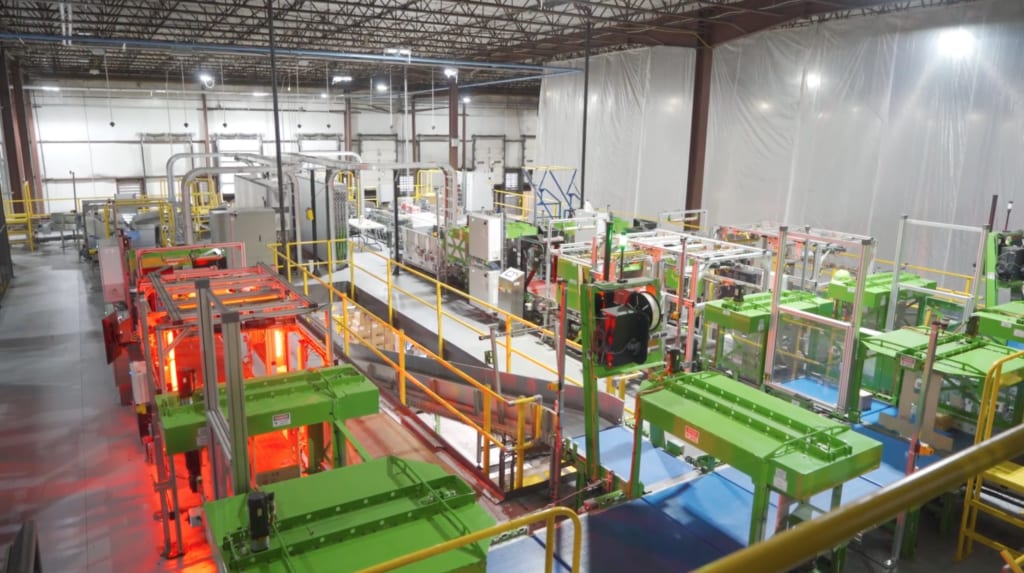
Walmart is doubling down on warehouse robots. The company and Symbotic announced on Oct. 29 that Walmart's strategic investment will grow by $6 billion. The money comes with a bigger deal: new Symbotic automation systems at 25 of Walmart's U.S. regional distribution centers. A regional distribution center is a large warehouse that sends goods out to stores and to online customers.
What changed
The expansion follows Symbotic's purchase of Walmart's robotics business. Symbotic says the new work will also add abilities for Walmart's global operations. These include support for managing inventory earlier in the supply chain for online orders, more storage capacity and a smoother flow of products through the system.
Walmart is also committing $125 million to a development program with Symbotic. According to a filing with the Securities and Exchange Commission, the money will fund research on next-generation racking technology. Racking means the shelving that holds goods. The program also covers related picking, process flow and inventory management.
What Symbotic sells
- BreakPack, which handles small orders and mixed inventory.
- SymMicro, which handles micro-fulfillment for ecommerce orders.
- Software that runs those systems.
The two companies have worked together for more than a decade. Symbotic CEO Rick Cohen said the partnership began with a single product. He says it now offers a full end-to-end solution across Walmart's supply chain.
Who it affects
Online shoppers are the most direct group. The article says the buildout will directly affect fulfillment for Walmart's online sales. Rob Montgomery, who leads Walmart U.S. supply chain operations, said the investments help Walmart serve customers in stores, at the curbside or at home. He also said the agreement should improve service, grow capacity, simplify work for associates and lower costs.
Sellers who ship through big retailers may feel the change too, since faster warehouses can mean faster restocking. Walmart ranks No. 2 in Digital Commerce 360's Top 1000 Database of North America's largest online retailers, so its choices tend to shape the market.
What is not known yet
The announcement does not say when the new systems will go live at each of the 25 centers. It does not say how many robots will be installed or how many jobs will change. It also does not say whether shoppers will see lower prices or faster delivery, though Walmart says it expects lower costs and better service.
The takeawayWalmart is betting billions that more robots in its warehouses will mean faster, cheaper online orders, but the timing and results are not yet clear.