Voters in 10 states backed limits on data centers at the ballot box. A polling firm called Redbud Consulting tracked 44 local measures and reports that 38 passed. Many are bans or pauses on new projects. Data centers are the large buildings full of computers that run AI tools. The tech industry says the results are being misread.
What changed
Dozens of the measures were moratoriums, which are temporary stops, or outright bans. Analysts suggested they will not affect data centers already under construction or approved through 2027. They mostly hit projects planned for 2028. Only one measure let a data center proceed. Even that one required developers in a North Dakota city to pay for independent reviews and hold public hearings.
Texas is the big test
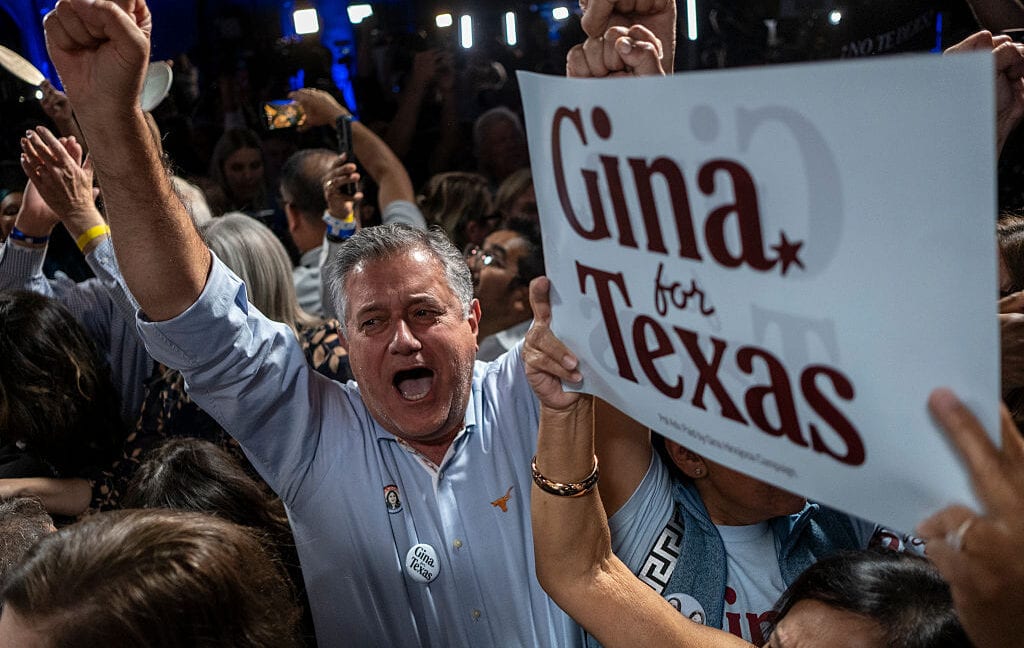
Democrat Gina Hinojosa won the Texas governor race. She plans to delay projects as long as it takes to pass laws on water, electricity, air and property rights. Texas was expected to account for more than 41 percent of added data center capacity in 2028. Bloomberg reported that about 13 gigawatts, a measure of electric power, is now exposed.
Analyst Gordon Johnson of GLJ Research wrote that projects with power, permits and steel keep going. Those with power but no state environmental permits could slip 12 to 18 months. Some projects may move to Louisiana or Georgia, or go nowhere.
Beyond Texas
Democrats also won governor races in Arizona, Georgia and Ohio, which were courting data center builders. Axios projected that nearly two-thirds of 2028 data center capacity could face similar delays. Bloomberg estimated that half the data centers in the US are now more open to scrutiny. Developers likely face tighter limits on tax breaks and stronger rules on who pays for power grids and water use.
Anti-tech or anti-Trump?
Adam Kovacevich, a former Google executive who leads the industry group Chamber of Progress, said the results show little mandate against AI. He noted that Democratic governor candidates who opposed data center bans won at a higher rate than those who backed them. NBC exit polls show cost of living and government corruption ranked above AI as voter concerns.
Civil rights leader Alejandra Montoya-Boyer disagreed. She cited NBC polling that 3 in 4 voters oppose data centers, and that more than half called AI and data centers a crucial or major factor in their vote for Congress.
What it means for you
Data centers can affect local power and water bills. Delays could also slow or raise the cost of AI tools that people and businesses use. Gartner recently estimated the AI boom is nearly $5 trillion short of paying for itself, so added costs arrive at a tough moment. How long the pauses last is still unknown.
The takeawayLocal votes are slowing future data centers, and that could affect your utility bills and the price and pace of AI tools.