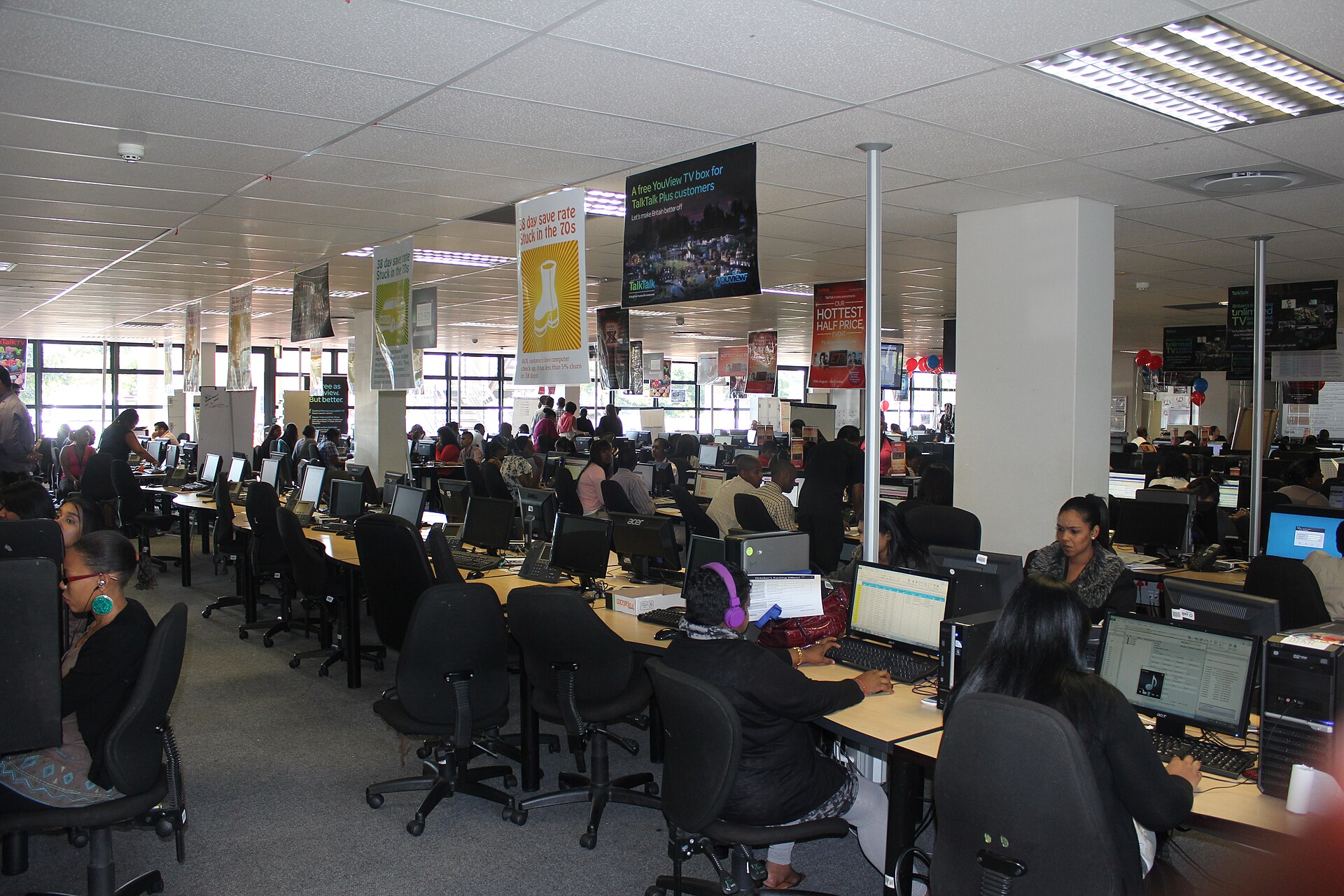
Voice AI is now answering and supporting customer calls at many Indian companies, but very few have rolled it out widely. A new survey from Nasscom, India's technology industry group, found that only 13% of companies use it across several customer journeys. Still, among firms using it, 61% say they cut the cost of each eligible customer interaction by more than 20%.
What the survey found
The India Voice AI Readiness Report 2026 was written by Nasscom with Krisp. It is based on a survey of companies. Voice AI here means software that can understand what a caller wants, take action on it and help human agents. The results show a split in how far companies have come.
- 31% have reached limited production, meaning real use on a small scale.
- 13% have scaled it across multiple customer journeys.
- 32% are running proofs of concept, which are small test projects.
- 23% are still in early exploration.
Bigger call volumes help, up to a point
Companies handling more than 250,000 Voice AI interactions a month are further along. Of those, 63% are in production, compared with 33% of smaller-volume firms. But at the fully scaled stage the gap is small: 18% versus 13%. The report says scaling also depends on investment, deployment strategy and how ready the organization is.
Where it is used and how it is built
Early use is concentrated in work that is high volume and repetitive. The report names banking and finance, telecom, retail, e-commerce, travel and logistics. Common tasks include answering customer questions, routing calls, collections, payment reminders, sales qualification, bookings and complaints.
Most firms do not build alone. The report says 70% use partnership-led approaches. That includes 41% using hybrid models and 29% co-developing with technology partners.
Money and measurement
Beyond savings, 30% of companies with scaled deployments report a positive revenue impact. Among firms in limited production, the figure is 13%. The report also says companies are moving past simple counts like call volume and average handling time. They are tracking whether the task was completed, whether the issue was solved on first contact, repeat calls, customer satisfaction and cost per successful resolution.
What to do
For a business with a busy phone line, the lesson is to connect voice AI to the systems staff already use. The report lists customer records, ticketing, knowledge bases and transaction systems. It also points to clear rules for oversight and a way to hand tricky calls to a person.
The takeawayIf you try voice AI on your phone line, connect it to your customer systems and measure whether tasks actually get done, not just how many calls it handles.