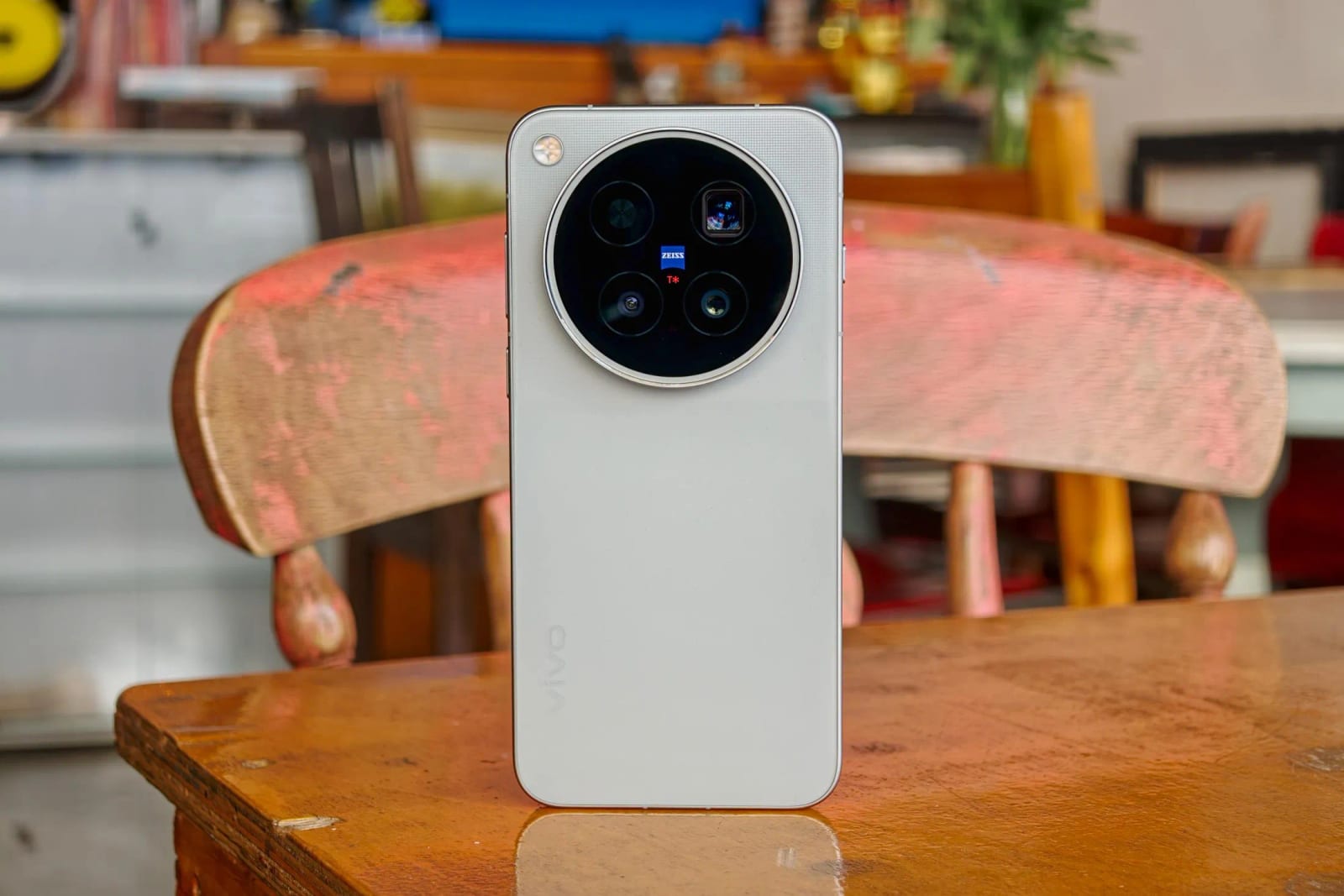
Vivo has launched the X500 Pro Max, its first phone with that name, at €1,799 (about $2,000). The Verge's reviewer says it has an impressive camera system, but it is not the best one Vivo makes. The older X300 Ultra still holds that spot, and a direct sequel to it is rumored for next year.
What it gets right
The Pro Max is the same size as the Ultra and has the same sharp 1440p, 144Hz OLED screen. Its 7,800mAh battery lasted through two days of use. It charges at 90W by wire and 40W wirelessly. The MediaTek Dimensity 9600 Pro chip delivers roughly comparable speed to the Ultra's.
It also shares the Ultra's telephoto lens, the one built for zooming in on distant subjects. The reviewer calls it one of the best in any phone.
Better highlights, wider view
The main camera uses a 50-megapixel sensor that is smaller and lower resolution than the Ultra's. It does use Sony's new Lytia L910 sensor, which supports a 17-stop dynamic range. Dynamic range is how well a camera handles bright and dark areas in one shot. The gains are mainly in bright areas.
The bigger loss is the view. The Ultra's main camera used a narrow 35mm focal length, which the reviewer likened to the lenses on regular cameras and found good for portraits. The Pro Max goes back to 24mm, the same as iPhones and many others. It captures more of the scene but feels less distinctive.
The weaker ultrawide
The ultrawide lens, which fits in more of a scene, takes a bigger step down. The Ultra gave it a large sensor and optical image stabilization, which is rare on wide lenses. The Pro Max uses a much smaller sensor.
At a night Champions League game, the reviewer saw a clear quality gap. Under bright stadium lights, the ultrawide blew out white details on the pitch and player kits. It also left the crowd mostly dark. The other two lenses handled both better.
Who it is for
Vivo's Pro Max is part of a trend. Xiaomi, Oppo and Honor have also released Pro Max phones that sit between their Pro and Ultra models. The reviewer notes that the name may also help mask price hikes caused by higher memory costs, and suspects it is a bit of both.
The phone suits buyers who want a big battery, a fast screen and a top telephoto lens. Those who care most about every lens being excellent may want to wait or look at the Ultra.
The takeawayA $2,000 price does not guarantee the best photos from every lens, so compare each camera before you buy.