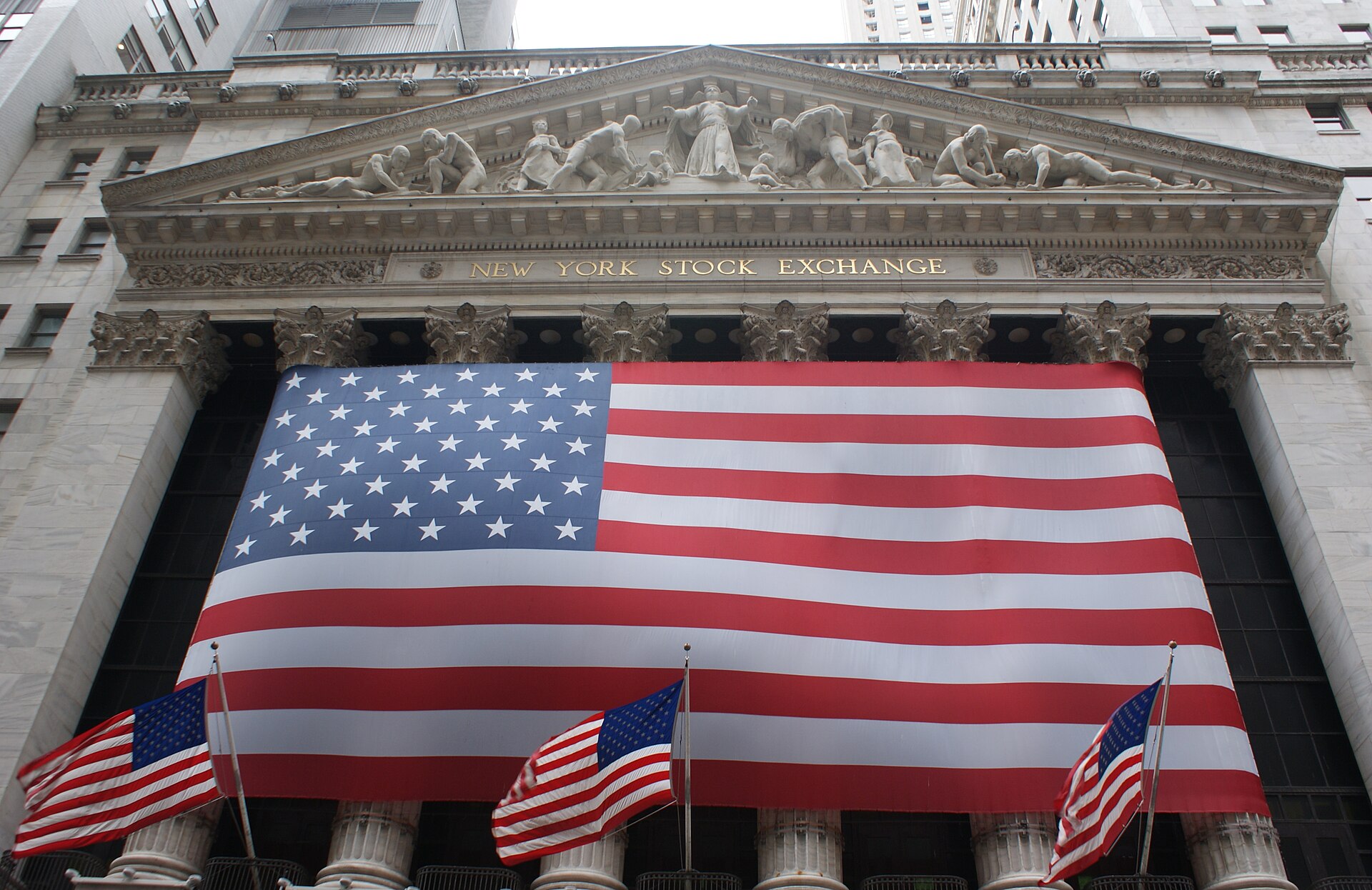
Paul Wick, a veteran tech investor, says fears that the AI boom will crash are overblown. He sees clear echoes of the dot-com bubble from around the year 2000. But he told Business Insider that today's backdrop looks "healthier." Wick is chief investor at Seligman Investments, which manages over $40 billion in assets.
Why he sees echoes of 2000
Around the turn of the century, many dot-com startups were formed. Telecom companies spent "aggressively" on wired and wireless networks. Wick sees a similar pattern now, with a surge of AI startups and heavy spending on data centers, the huge buildings that house AI computers. He also noted that energy prices and interest rates jumped then, as they have this year.
Why he calls it healthier
Wick said there is no repeat of the IPO frenzy, when companies rushed to sell shares to the public for the first time. Nor is there the same "frenetic environment" where stocks soar fivefold or tenfold in a day. By late 2000, a slowdown in tech spending was already forecast for 2001. Now, business spending on AI remains strong, and recent tech earnings have been robust.
The skeptics and the watch list
Michael Burry, the "The Big Short" investor known for calling the housing collapse, has been skeptical. He points to aggressive accounting, circular financing, hidden debt and heavy spending on assets that lose value, such as microchips. Wick said Burry has been "early or downright wrong on many other things." Burry has defended his record, citing his correct calls and charts of their timing.
Wick also addressed Nvidia investing in data center builders and software companies. He stressed that the chipmaker is "extraordinarily profitable." He doubted it should spend spare cash only on buybacks. Several big industry players are working on their own AI chips to rely less on Nvidia. Still, he flagged trends to watch:
- Business customers choosing older AI models or building their own.
- Falling prices for using AI models as people embrace open-source ones.
- Open questions about how big the market is for OpenAI and Anthropic.
Jobs and careers
Wick said a computer science degree used to be "a ticket to success." Today, learning a trade may be better. He cited "booming demand" for electricians and HVAC technicians, who can make an "incredibly good living" without a four-year college degree.
He also called the "doom-and-gloom" idea that AI will wipe out demand for human labor "a little premature." His reasons: nobody knows how AI will affect entry-level jobs, unemployment has not soared, and businesses and consumers are slow to change habits.
What it means for you
This is one investor's view, not a forecast. It suggests staying calm if your savings or job feel tied to AI. It also suggests keeping an eye on pricing and on which companies are truly profitable.
The takeawayOne veteran investor says the AI boom looks healthier than the dot-com era, but pricing pressure and real profits are worth watching.