The federal government plans to lend $5 billion to Constellation Energy to squeeze more power out of existing nuclear plants. Most of that new power is already spoken for. Google, Amazon and Meta have bought most or all of it from seven of the eight plants. The loan has not been finalized.
What the money is for
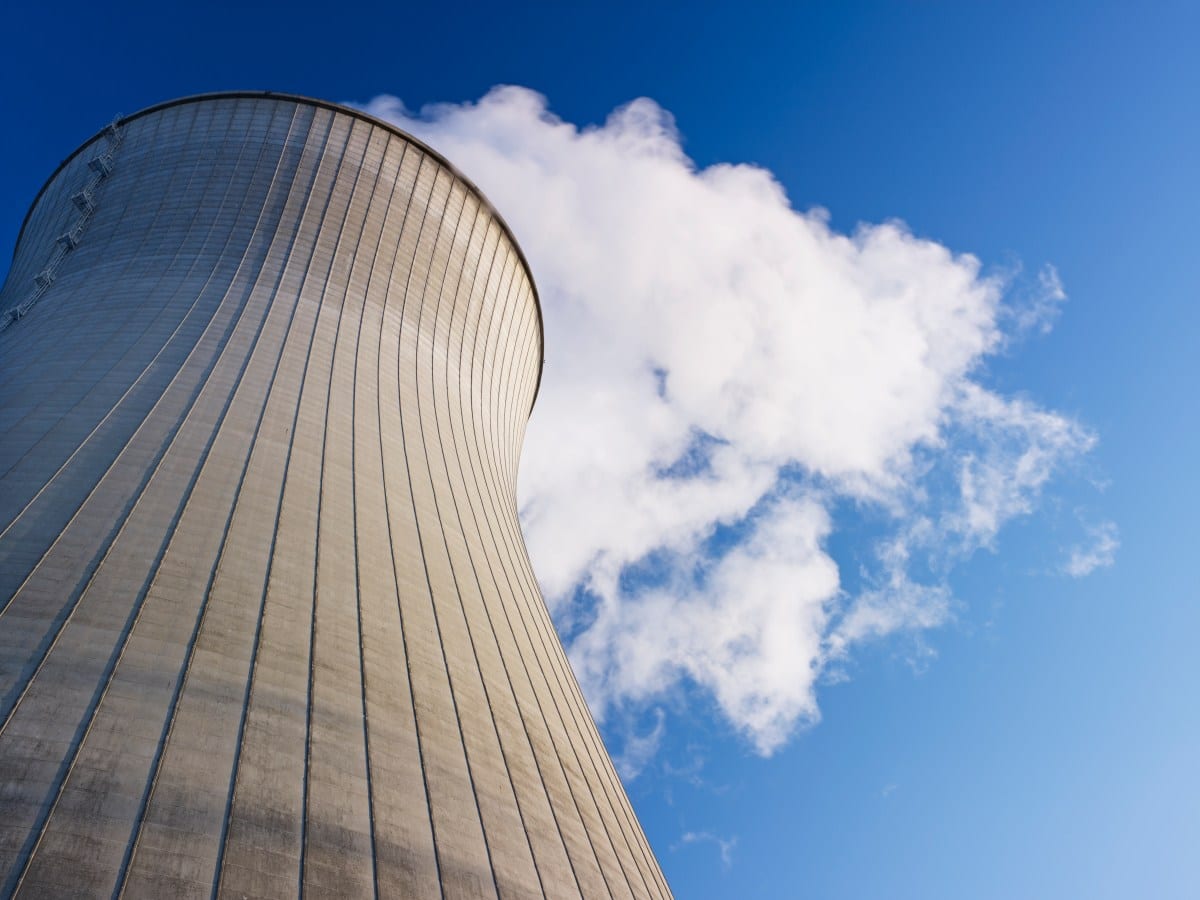
Constellation plans to "uprate" 11 existing reactors at eight plants. Uprating means getting more capacity from a reactor. It often involves more highly enriched uranium and upgraded equipment that can handle higher power levels. Together, the work would add 1.1 gigawatts of nuclear capacity. A gigawatt is 1,000 megawatts.
Constellation says it has already committed more than $7 billion to add 1,080 megawatts for Google, Amazon and Meta. The company says the government loan "could lower financing costs" for those projects.
Where the power is going
The eight plants are in three states. Six are in Illinois: Braidwood, Byron, Clinton, Dresden, LaSalle and Quad Cities. One is Calvert Cliffs in Maryland. One is Limerick in Pennsylvania.
- Google is the confirmed buyer of added power from Limerick and four Illinois plants.
- Amazon is buying electricity from the Maryland plant.
- Meta is effectively buying the entire Clinton plant in Illinois.
What it means for your power bill
On Tuesday, the Department of Energy described the loan as supporting "affordable, reliable power to American homes and businesses." But TechCrunch found no evidence that the new capacity will lower prices for residential customers.
Constellation's announcement does not say whether the projects will keep electricity rates steady or bring them down. The company would not confirm the government's claim to TechCrunch.
Why tech companies want it
Big cloud companies are searching the power grid for extra capacity to run their AI data centers. They are committing tens of billions of dollars over the coming years, and TechCrunch says that figure is probably on the low end. Power has become a competitive advantage.
Cheaper borrowing could help Constellation's profits, the tech companies' bottom lines, or both. For now, the deal looks like a way to help the biggest buyers of electricity get more of it.
The takeawayNuclear power is being expanded mostly for Big Tech, and nothing yet shows it will lower the electricity bill you pay at home.