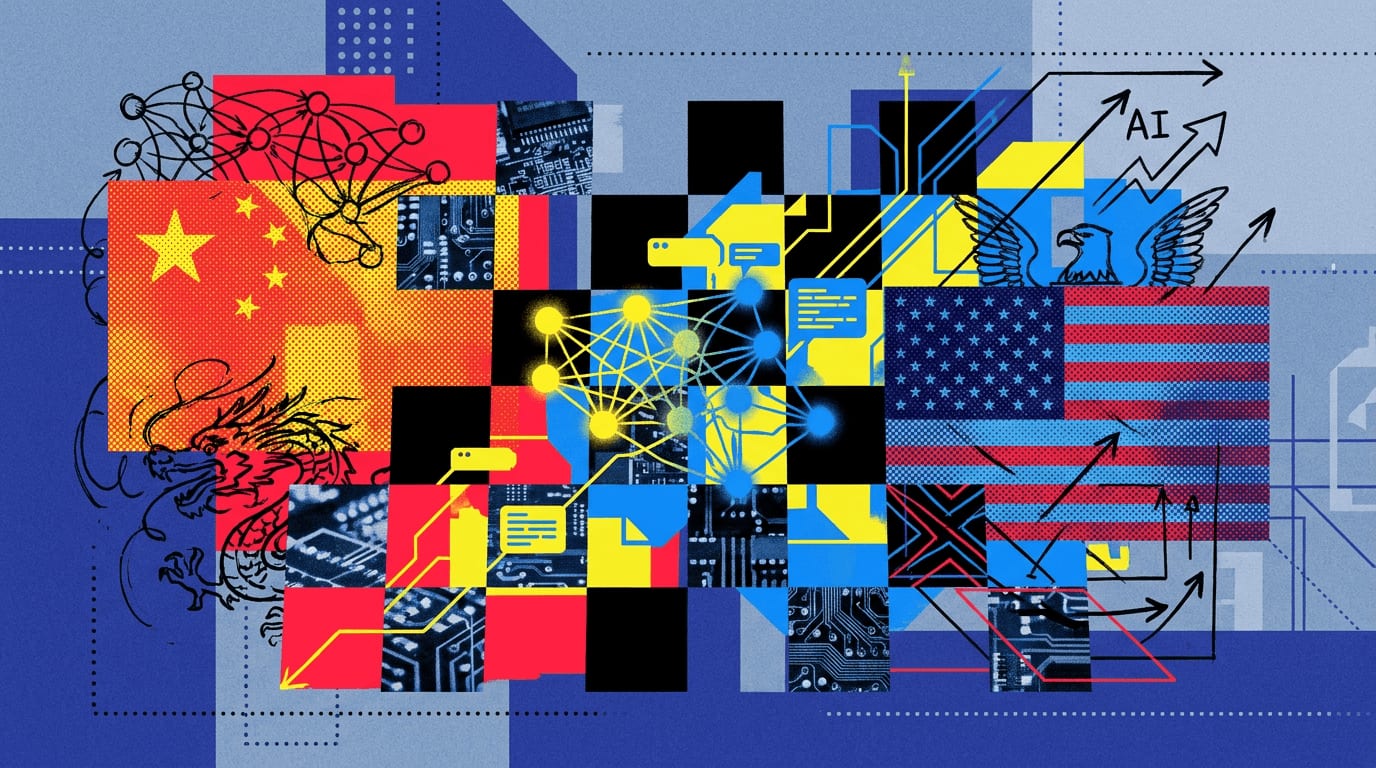
US data companies are selling roughly half a billion dollars' worth of AI training material to Chinese AI labs, according to an investigation by ChinaTalk. The named firms include Mercor, Surge AI, AfterQuery and Turing, and the report counts at least nine in total. Some of the material is the same kind once built for OpenAI or Anthropic.
What is being sold
Part of the trade is in reinforcement learning environments, or RL environments. These are simulated worlds where an AI model practices specific tasks, such as coding, financial analysis or office work. Think of them as practice rooms that teach a model by trial and error.
Chinese labs deliberately buy products already sold to Anthropic or OpenAI, the report says. That way they know the material works. They skip costly in-house development and wasted training runs. Chinese chips suffer from acute memory bottlenecks, so those savings are especially valuable.
A second advantage
The report also points to distillation. Chinese labs use powerful US models like GPT or Claude as teachers and learn from their outputs. Combined with bought practice rooms, the authors say this lets Chinese labs close the gap while using less computing power of their own.
How it came to light
ChinaTalk relied on anonymous sources and on sloppy secrecy among subcontractors. The US firms outsource much of the building work to low-paid workers in developing countries, especially India. Those workers are supposed to use code names for clients, but sometimes post real names on LinkedIn or in résumés.
Surge AI openly advertises that its products are built by the same experts behind its frontier-lab work. The deals also run through offshore structures, and ByteDance keeps procurement offices in Singapore and San Jose. AfterQuery reportedly draws a significant share of its annual recurring revenue, meaning yearly repeat income, from Chinese customers. ChinaTalk cites Forbes reports of about $100 million in such revenue but could not independently verify the sales.
Why rules matter here
Export controls barely apply, because RL environments remain largely unregulated. The authors see the biggest risks in areas with dual use, meaning both helpful and harmful purposes. Coding environments can sharpen offensive cyber capabilities. Biology environments could improve gene synthesis and potentially bioweapons-relevant applications. They argue the Bureau of Industry and Security should apply existing export controls to these environments.
Not a doomsday story
The authors stress the situation is not apocalyptic. By building on US work, Chinese labs still trail their US peers by at least a few months as a structural matter. Sensitive environments in biology, chemistry, cybersecurity, chip design and investment banking are increasingly being built in-house at American frontier companies.
What it means for businesses
Companies that buy AI services or data work from vendors can expect more pressure for export rules. A fair question to put to suppliers is where else they sell their data and work.
The takeawayIf you buy AI data or services, ask suppliers who else they sell to, because export rules for this material may tighten.