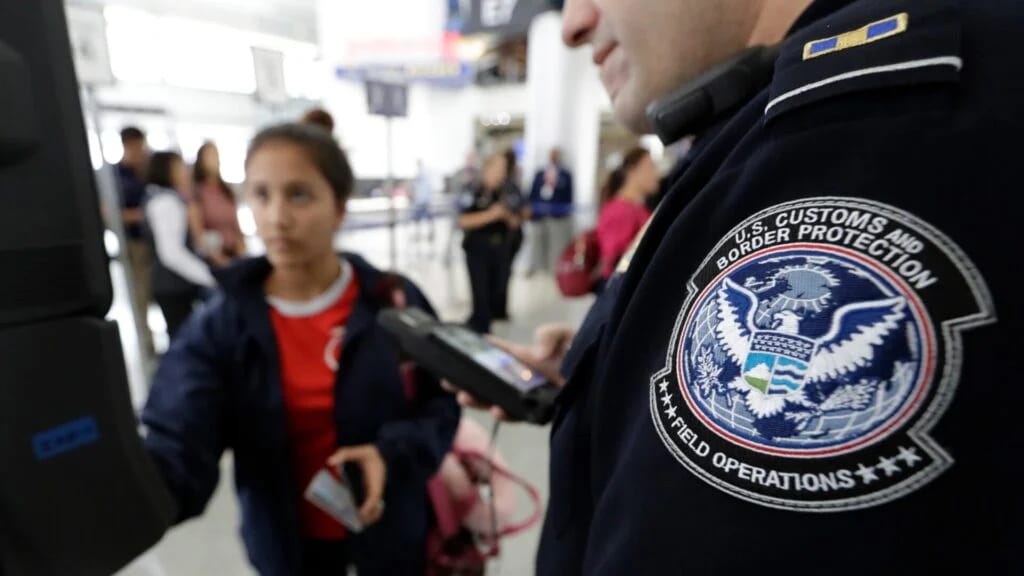
Act this weekWhat happenedData from US Customs and Border Protection shows device searches at the border rose 32% over the first three quarters of fiscal 2026, after a record year in 2025.
Who is affectedAnyone entering the US with a smartphone or laptop, including visitors and travelers coming home, especially during the busy holiday travel season.
What to do- 1Decide before you travel what data you really need on your phone or laptop.
- 2Read the Freedom of the Press Foundation pre-travel checklist for step-by-step prep.
- 3Back up your files and make any wipe or reset before you reach an agent.
- 4Do not use a wipe or a fake PIN while being questioned, since one traveler was indicted for that.
If you are flying into the US this holiday season, your phone or laptop is more likely to be searched than in any year on record. Data from US Customs and Border Protection (CBP), obtained by CBC News, shows device searches rose 32% over the first three quarters of fiscal 2026. That period runs from Oct. 1, 2025, to June 30, 2026.
What changed
Last year was already a record. Agents searched 55,424 devices in the 2025 fiscal year. This year's 32% rise comes with one quarter still uncounted, so the full-year total is not known yet. Gizmodo, which reported on the CBC data, expects the trend to keep climbing, though that is its read and not a CBP forecast.
What a search involves
There are two kinds. A basic search is the common one: 47,517 of last year's searches. An officer can order one without any suspicion of wrongdoing. The traveler must give the passcode so the officer can review what is on the device. If you refuse, the device can be held for up to five days.
An advanced search is rarer: 4,564 last year. It requires what the officer calls reasonable suspicion of a legal violation or a national security concern. Agents then use forensic tools such as Cellebrite and Grayshift to unlock the device and copy its data, even if it is encrypted. Gizmodo notes that being on a government terrorist watch list can count as reasonable suspicion.
Who it affects
Anyone entering the US with a smartphone or laptop, whether a visitor or a traveler coming home. The report does not say how many people cross the border in total, so it cannot tell you your personal odds. If you are not crossing the US border, this does not apply to you.
What to do
The steps are in the alert box above. In short, decide ahead of time what data needs to travel with you, and finish any backup or reset before you reach an agent. The Freedom of the Press Foundation publishes a pre-travel checklist that walks through the preparation.
Timing matters. Samuel Tunick, an Atlanta activist and US citizen, was recently indicted by a federal grand jury after using a GrapheneOS feature called a duress PIN while being questioned at the border. A duress PIN is a fake code that can wipe or hide data. Preparing a device beforehand is one thing. Tampering with it in front of an agent is another.
What happens next
CBP has yet to tally the final quarter of fiscal 2026, so the full-year number will come later. Until then, the safest assumption is that device searches will stay high through the busy travel months.
The takeawayBefore any trip into the US, decide what data your phone and laptop carry, and finish backups or resets before you reach an agent.