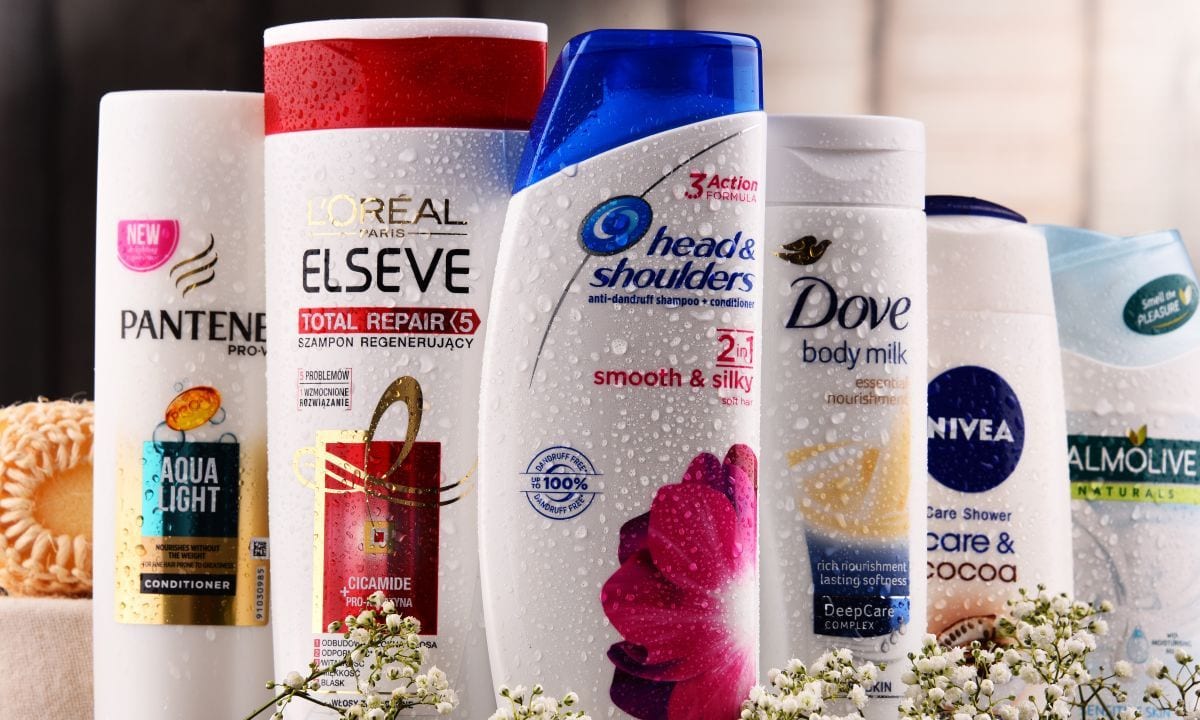
Unilever, the company behind Dove and Vaseline, now uses a team of AI agents to type customer orders into its system in about 90 seconds. A person used to need 15 to 20 minutes for each one. AI agents are software programs that carry out the steps of a task on their own.
What changed
About 2 million of Unilever's roughly 20 million yearly orders still arrive as emails, PDFs, spreadsheets and photos of paper forms. Someone had to read each one and key it in. Unilever's system, called NOVA, now does that first step in 11 pilot markets. Francis Castro, the company's head of technology for customer operations, shared the results in a Microsoft case study.
- 95% of orders pass through with no manual work.
- Refund claims are settled twice as fast.
- New customer onboarding takes 90% less time.
How it works
NOVA splits the job among five agents. Four read an incoming email, work out its context and pull out the order. A fifth checks the result before the order goes into Unilever's SAP system, which is business software for managing operations. Anything missing or unusual goes to a person for review. The agents also help check claims, including whether a customer is at fault.
The design is deliberate. Unilever serves about 300,000 direct customers, from supermarket chains to local distributors. Deepalok Roy Chowdhury, the company's global director for order-to-cash, said customers should not have to adapt to its technology. A retailer with dozens of suppliers cannot convert every purchase order to each supplier's format.
Others are moving the same way
Nestlé is using SAP's AI agents on overdue invoices. Its assistant has four agents that draft follow-up emails, work through disputes and prepare accounts for collectors, PYMNTS reported.
Automation in this area is already common. A PYMNTS Intelligence survey of 100 U.S. finance chiefs in July found the average company automates 73% of its receivables work, up from 55% a year earlier. The biggest obstacle is connecting different systems. 90% of those chiefs named it, up from 67% in 2025.
What happens next
NOVA has processed thousands of orders in real use. Unilever plans to grow it from 11 markets to more than 50. North America, its largest market, is next. Graham Sommer, Unilever's head of customer operations, said the company has eight agents live worldwide. Castro said the early months went to choosing the right design, since this is the company's first system of this kind at this scale in its supply chain.
The push comes in a costlier year. Unilever now expects about €900 million in commodity inflation in 2026, up from an earlier midpoint of €850 million, its chief financial officer said on the company's Oct. 28 earnings call.
What it means for smaller firms
The lesson is not limited to giants. If your team still types in orders by hand, this shows software can read emails and forms as they arrive, while people review only the odd cases.
The takeawayIf staff retype orders from emails and forms, look at AI that reads them first and sends only unusual cases to a person.