The UK government said AI could add £400 billion to the British economy. That number came from a report paid for by Google. The AI minister has now said the government's own estimate is less than a third of it, with a middle figure of £120 billion by 2030.
What the minister said
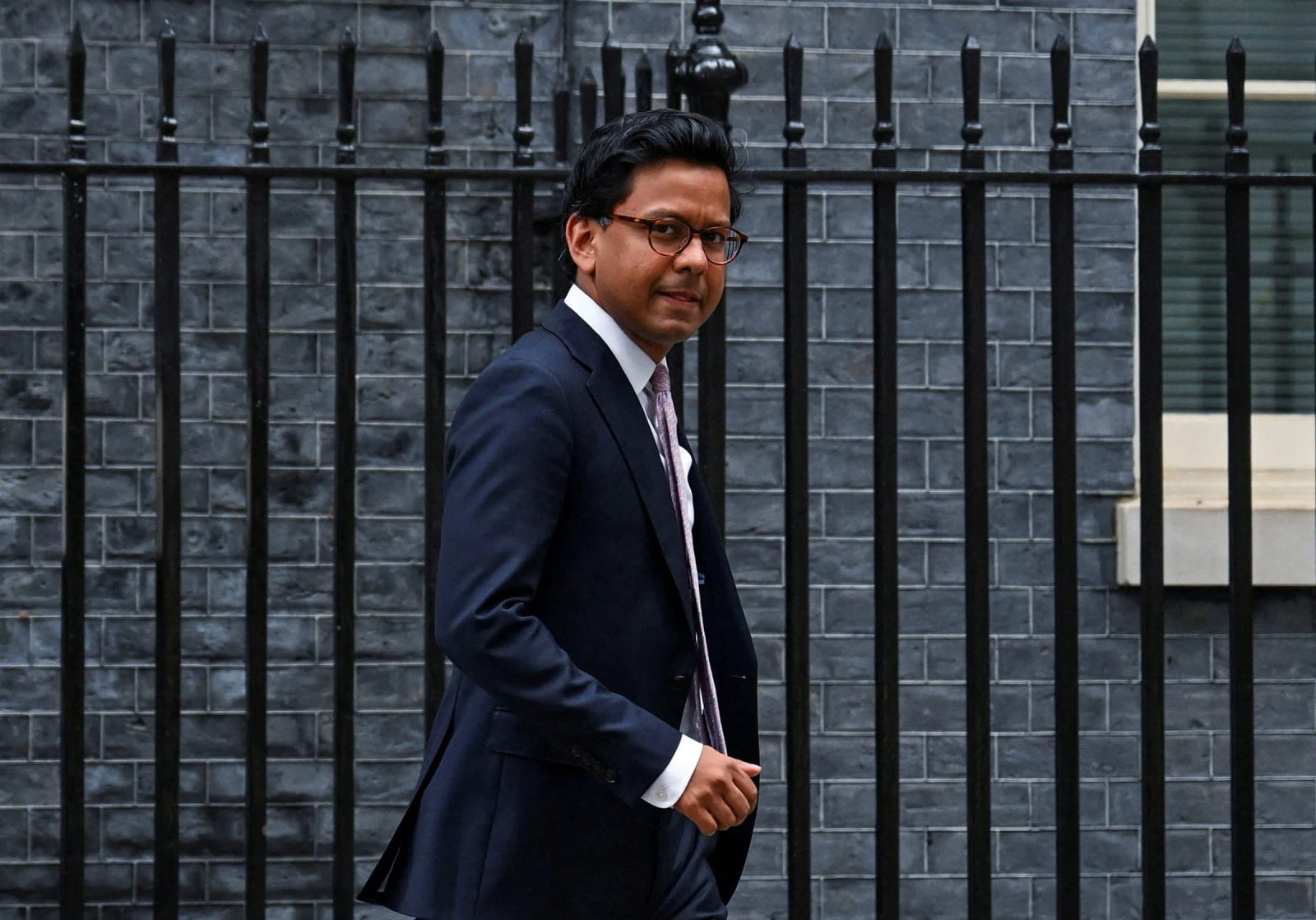
Minister Kanishka Narayan answered a parliamentary question on the issue. He said AI adoption and data investment could add £55 billion to £140 billion to the economy by 2030. He called even that estimate "hugely uncertain." He also said the £400 billion figure was drawn from a public 2023 report commissioned by Google and produced by Public First, a consultancy now called PF Global.
Why the numbers differ
PF Global's head of economics, Jonathan Dupont, told Wired the gap is partly about speed. He said the government's numbers assume a much slower rate of AI adoption than looked possible in 2023. The firm says its own central estimate for 2030 is now much closer to the government's. It says its view of AI's overall potential has not changed.
How long the old figure was used
Government departments and agencies used the £400 billion figure for almost two years, under two governments. Ministers have had the lower estimate since at least November 2025. Even so, Skills England, the agency for apprenticeships, was still publishing the old figure four months later. Former technology minister Peter Kyle also cited it.
Wired found no earlier case of the government placing the two numbers side by side or saying Google paid for the report. The answer did not withdraw the £400 billion figure or say it was wrong.
What critics say
Lord Holmes of Richmond asked about the figure's origins in January 2025 and got no response. He said the government should have clarified sooner. Dame Chi Onwurah, who chairs a Commons technology committee, warned that hype risks undermining the case for change. Sumedha Deshmukh of the Ada Lovelace Institute said AI figures that look precise often carry hidden assumptions and industry funding.
PF Global said its work for Google continues, and that all its research is independent and its judgments are its own. The Cabinet Office and Google were approached for comment.
What to do with big AI numbers
- Ask who paid for the figure before you trust it.
- Look at what the number assumes, such as how fast people adopt the tool.
- Treat forecasts as rough guides. Even the new estimate is called "hugely uncertain."
- Be careful when a claim gets repeated widely. Repetition does not make it checked.
The takeawayBefore relying on a big AI claim, ask who paid for it, what it assumes and who benefits if people believe it.