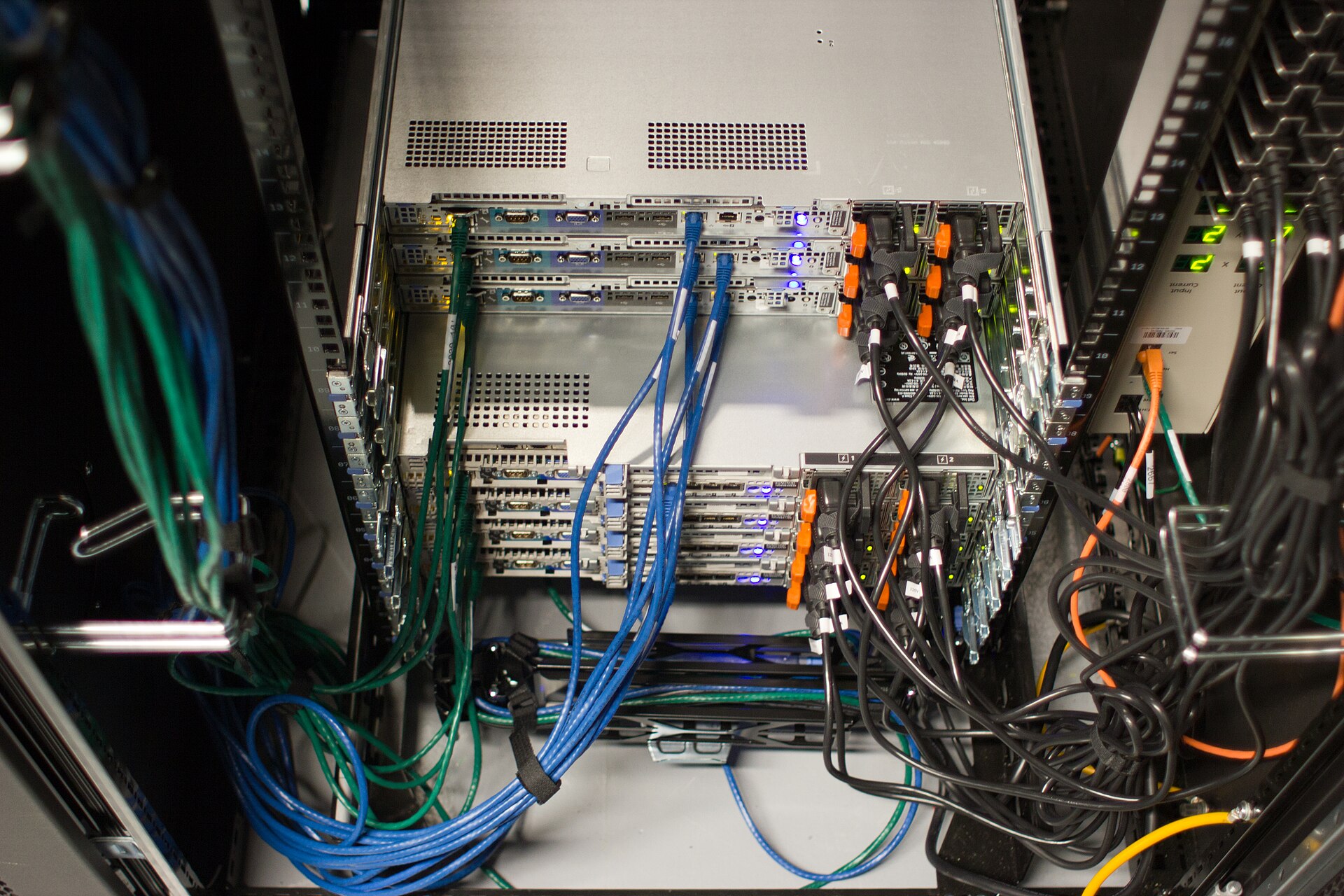
Two startups that both want data centers to waste less water are becoming one company. Omen AI is buying rival Aquatic Labs in a $16 million deal paid in cash and stock. Together they plan to sell a single sensor that checks cooling water as it flows, instead of waiting days for lab results.
The water problem
AI chips run hot, and water helps cool them. U.S. data centers use 17 to 19 billion gallons of water a year for cooling, according to The Water Foundation. That figure is expected to triple in the next five years. For companies spending billions on AI, that is both an expensive and a politically touchy issue.
What the sensor does
Today, checking the cooling fluid means mailing samples to a lab. The process takes several days. Omen AI, founded in 2024, is building a sensor that can tell right away if valves are failing or if bacteria are growing enough to choke off water flow.
The two companies' technology fits together. Omen's sensors look for elements in the water. Aquatic Labs' sensor tests alkalinity. Aquatic Labs CEO Allan Adams says combining them gives a much richer picture of the water and the fluid.
Why it saves money
When the fluid system goes out of balance, data center operators usually drain the water rather than risk damaging costly equipment. That can mean shutting down operations until the system is fixed, which is expensive. Constant monitoring lets operators keep using the same fluid longer and keeps cleanup costs down.
The people and the plan
An investor in the filtration business introduced Omen founder Zach Laberge to Adams. Laberge dropped out of high school and started a company that analyzed fluids in large construction machines. Adams is a physicist who worked on ocean sensing as an MIT professor and a Woods Hole Oceanographic Institute researcher. He will be chief science officer.
The teams expect the combined sensor on the market by early next year. Laberge says Omen's first sensors will monitor chips drawing 250 to 300 MW of power by the end of the year, worth about $5 to $7 billion. The goal is the equivalent of 1 GW of chips by the end of 2027.
What happens next
Some investors have grown skeptical of the AI building boom, and hyperscaler stocks have fallen in recent days. Laberge says that does not worry Omen, because its customers financed their projects 12 months ago and the work starts after a data center is built. Adams also hopes the technology will help beyond data centers, since the water eventually flows into municipal water systems.
The takeawayAI's thirst for water is now a business problem, and faster water testing may become a standard part of running a data center.