The U.S. Treasury Department has counted $270 million in suspicious financial aid transactions. Its agency FinCEN flagged the activity as it works to stop criminals from stealing money meant for students. For everyday people, the risk is personal: a thief can use your name to enroll a student who does not exist.
How the schemes work
Criminals use stolen names and Social Security numbers to enroll fake people, often called ghost students. Aid money is paid out for students who never attend class. Scammers also pay real people for their personal details to create what are called straw students. In both cases, real identities help the fraud look legitimate.
Inside help
Some school employees have helped crime rings. The material says they recruited students and altered records. That means the problem is not only about outsiders breaking in.
Who it affects
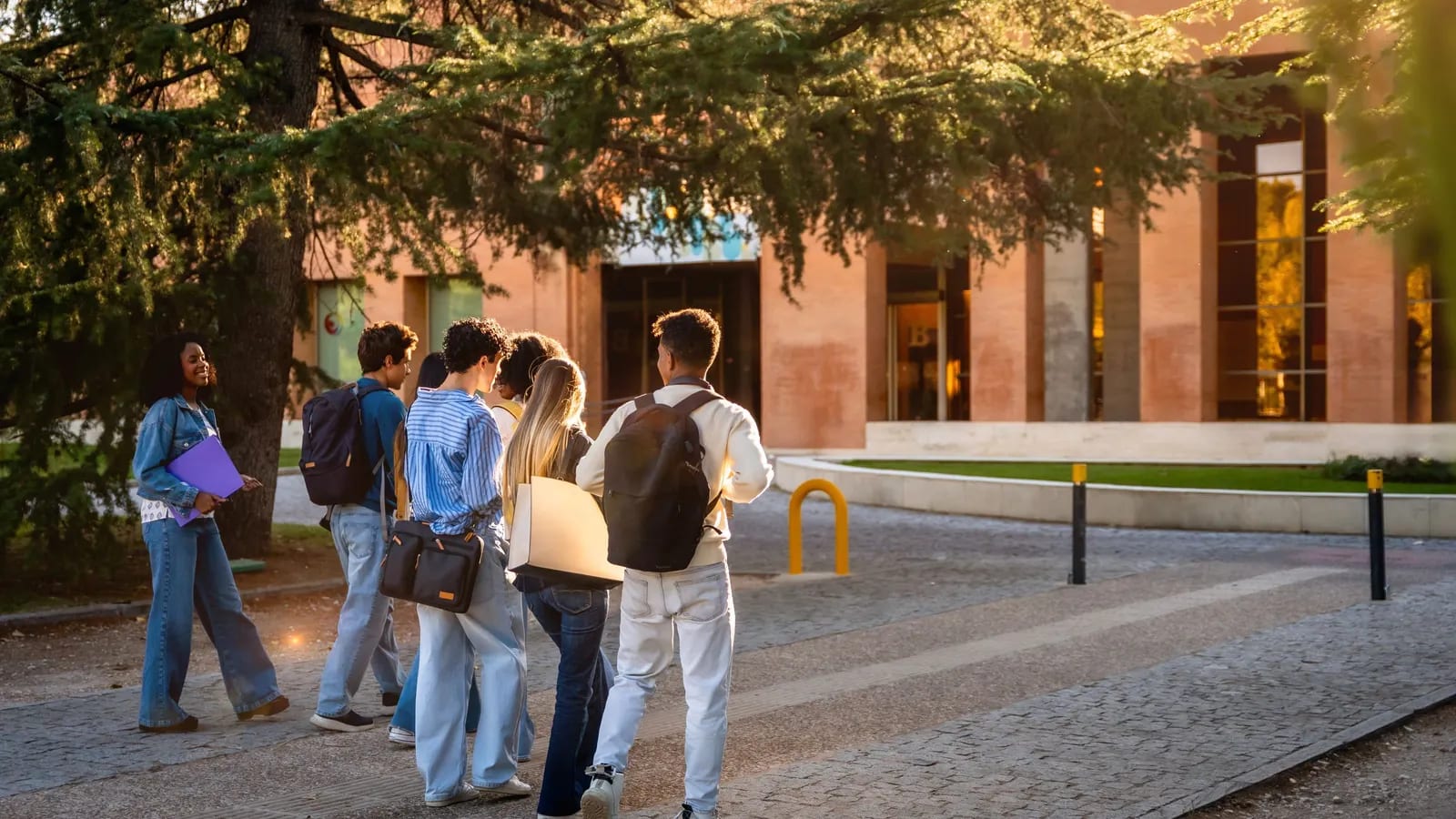
Students who need aid are the intended recipients of this money, so theft takes it away from them. Anyone whose Social Security number has been stolen could also be pulled in. The risk is that you end up with debt tied to a student you never were.
What is not known yet
The material does not say over what period the $270 million was tallied. It does not say how much of it has been confirmed as fraud, how much has been recovered, or which schools are involved. Those details are not available yet.
What to do
- Guard your Social Security number and share it only when necessary.
- Be wary of anyone offering money for your personal details.
- If you never enrolled anywhere but see aid or debt in your name, treat it as possible identity theft.
The takeawayProtect your Social Security number and never sell your details, because criminals can use them to enroll a fake student in your name.