Every AI chip has to be built, checked and shipped before it reaches a data center, and the machines that do the checking are in demand. A press release from Nightfood Holdings, which does business as TechForce Robotics, says the company is moving into that part of the supply chain.
What changed
Industry group SEMI projects that global chip equipment sales will reach $165.9 billion in 2026, up 23.2% from 2025. It expects a record $229.5 billion by 2028. Test equipment sales jumped 55.3% in 2025 and are projected to grow 31.0% in 2026, to $15.3 billion. Assembly and packaging equipment is forecast to rise 9.6% this year, to $6.7 billion.
One established supplier shows the pull. KLA, which makes process control tools, saw its backlog of orders grow from $7.86 billion to $12.57 billion in its fiscal year ended June 30, 2026. Its annual report credits strong demand from the AI buildout.
Why inspection matters
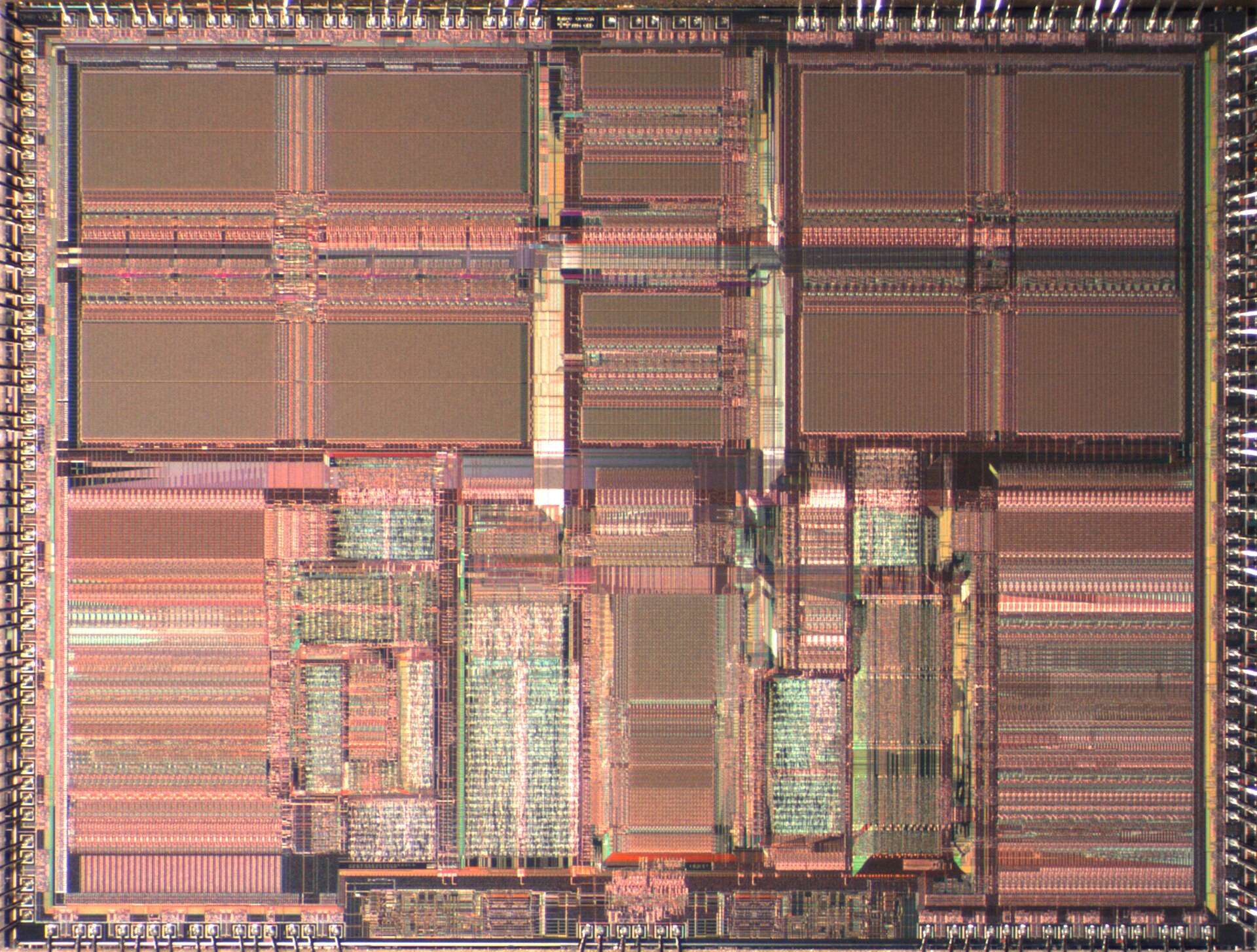
Modern AI processors are not single pieces of silicon. Advanced packaging joins logic, memory and smaller chips inside one package. One such method is CoWoS, short for chip-on-wafer-on-substrate. These designs hold more value and more points where something can fail. More volume also means more chances for defects, so inspection protects how many good chips come out.
Capacity is growing but still short. Reports put CoWoS capacity at about 70,000 wafers per month in 2025, rising to 130,000 to 140,000 by the end of 2026. Estimates still show a gap of roughly 20% between supply and demand this year. NVIDIA has reportedly reserved about 800,000 to 850,000 wafers of 2026 capacity.
The small company in the story
Nightfood (OTCQB: NGTF) says it has acquired specified CoWoS automated optical inspection technology. These are machines that use cameras to spot defects. It plans a 20,000-square-foot factory in Taiwan and is targeting first shipments in late November or early December 2026. That is subject to production readiness and customer orders. The company built its business on service robots, such as its TIM-E platform, rented through a subscription model.
What to watch
Strong industry demand does not guarantee that a new entrant succeeds. The release itself says buyers want proof that a supplier can design, build, deliver and support its machines. It offers two measures for investors:
- Technology ownership: does the company control its own designs and know-how?
- Manufacturing readiness: can it actually build the machines at the pace it promises?
This is a press release, not independent reporting. It does not say whether any customer has ordered a machine. Readers who invest should treat the shipping date as a goal, not a fact.
The takeawayAI chip demand is lifting inspection equipment makers, but a small company's shipping plan is still only a plan until orders and machines show up.