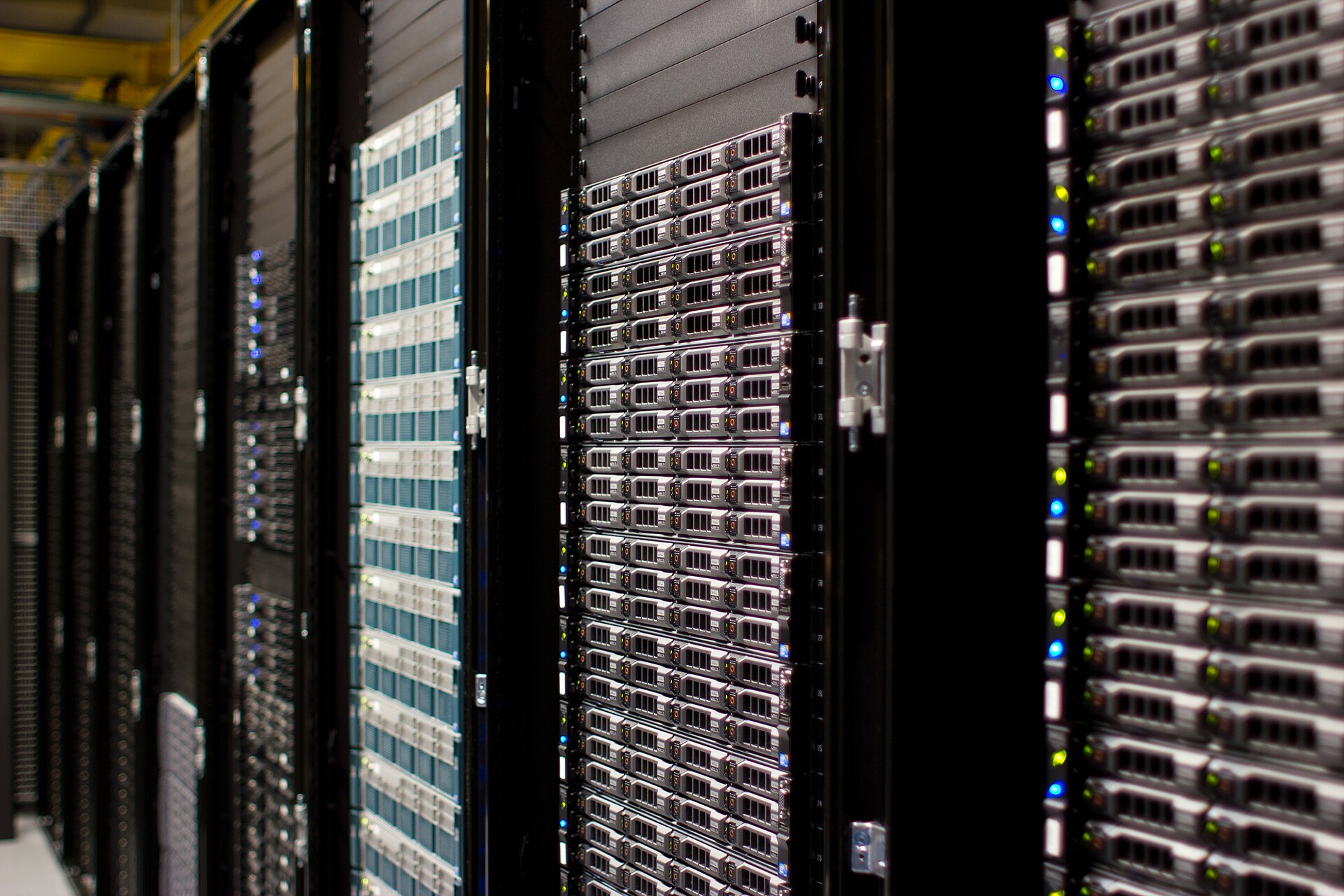
Thailand has put firm environmental limits on data centers, the large buildings full of computers that run AI tools and the internet. The rules cover noise, heat and water use. One number stands out: a 70-decibel cap on noise, about the level of a busy street.
What changed
Until now, the report says, this fast-growing industry faced fewer specific limits in Thailand. The new rules name measurable caps on three things: how loud a data center can be, how much heat it can give off, and how much water it can use. Only the noise figure, 70 decibels, is given in the material available. The heat and water limits are not spelled out.
Why now
Companies are spending heavily on artificial intelligence and building data centers faster to keep up. These buildings use a lot of power and water to keep machines cool, and they can be loud. Thailand's move puts limits in place while that building boom is underway.
Who it affects
The most direct impact is on the companies that build and run data centers in Thailand. For everyday users and small businesses, the link is indirect. If more countries set similar limits, running AI could get more expensive over time, and that cost can eventually show up in the prices of AI tools.
What is not known yet
- The exact heat and water limits
- When the rules take effect
- How they will be enforced and what penalties apply
- Whether existing data centers must change how they operate
The takeawayThailand's 70-decibel noise cap signals that AI's physical footprint is now a rules issue, which could affect what AI tools cost.