Spain has backed off a tougher plan for how much electricity data centers can use. The government first proposed stricter limits. Industry groups pushed back hard, and the rules have now been eased, according to Bloomberg Technology.
What changed
The first proposal would have capped power use at data centers more tightly. After strong complaints from the industry, the government softened it. The material available does not say how the final rules differ from the first draft, so the exact limits are unknown.
Why data centers matter
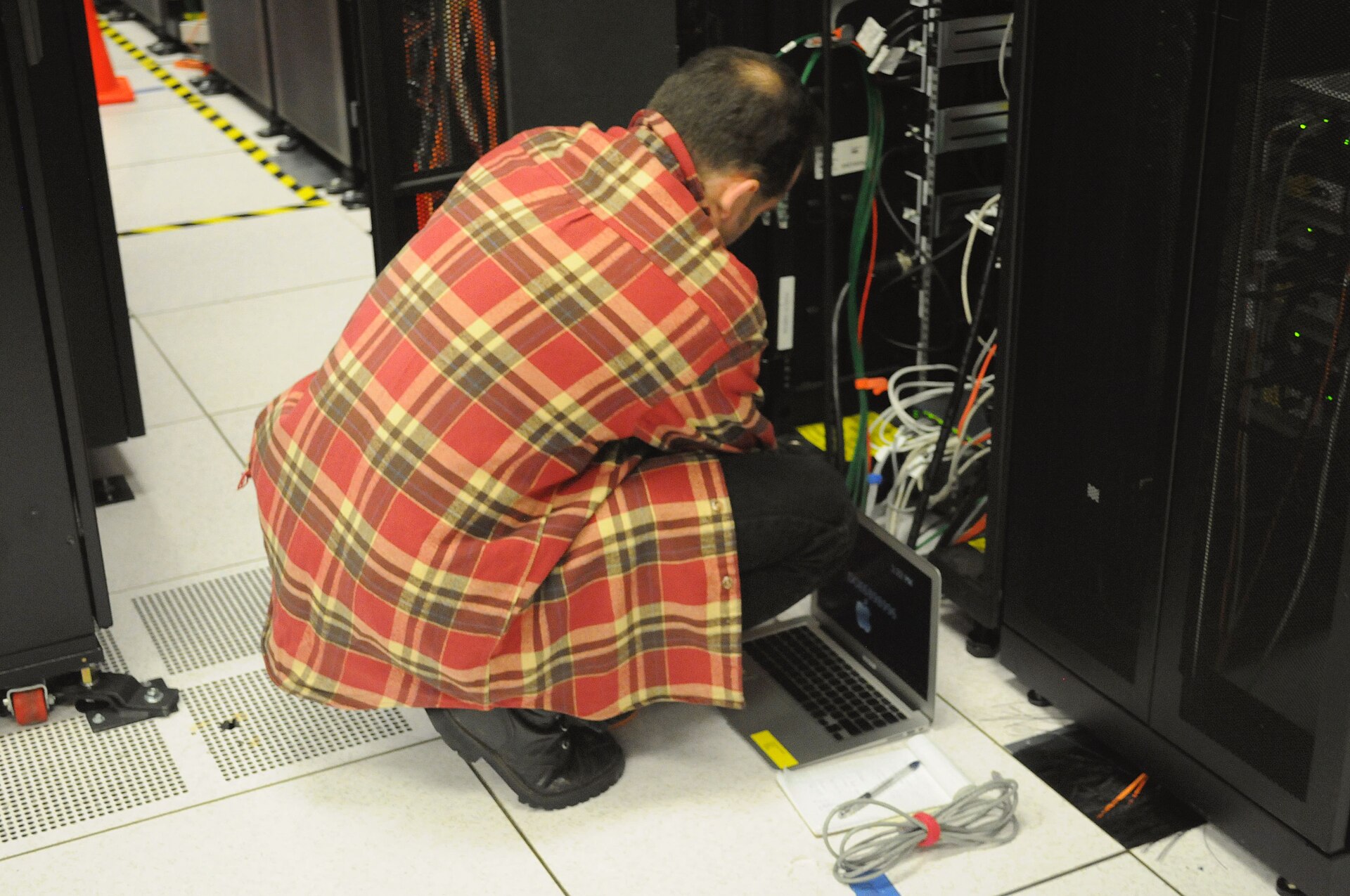
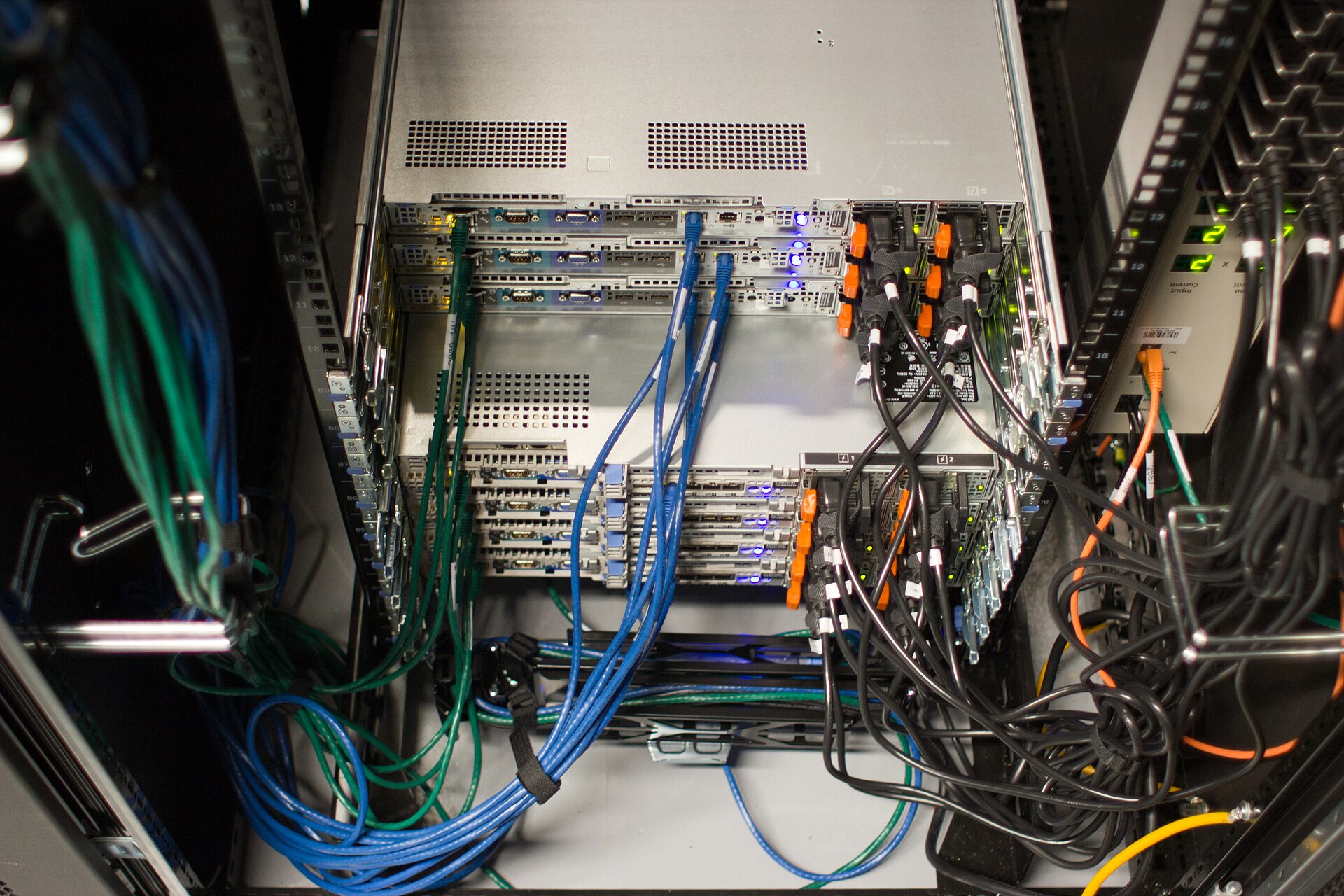
Data centers are the buildings that run apps, cloud storage and AI tools. They use a lot of electricity, so access to power, and its price, helps decide where companies build them.
Who it affects
The most direct effect is on the companies that build and run data centers. Everyone else is touched more indirectly. Where cheap power is available shapes where cloud and AI services grow. That can affect the prices and speed of the tools your business uses.
What is not known yet
- The exact details of the eased rules
- Which companies or industry groups pushed back
- Whether new data centers will follow in Spain
- Any effect on prices for business customers
For now, the news is a signal of direction. Spain chose a lighter touch after pressure from the industry. Whether that changes anything for everyday cloud users will depend on details that have not been shared.
The takeawaySpain eased its data center power limits after pushback, and where power is cheap helps shape the cost and speed of cloud and AI tools.