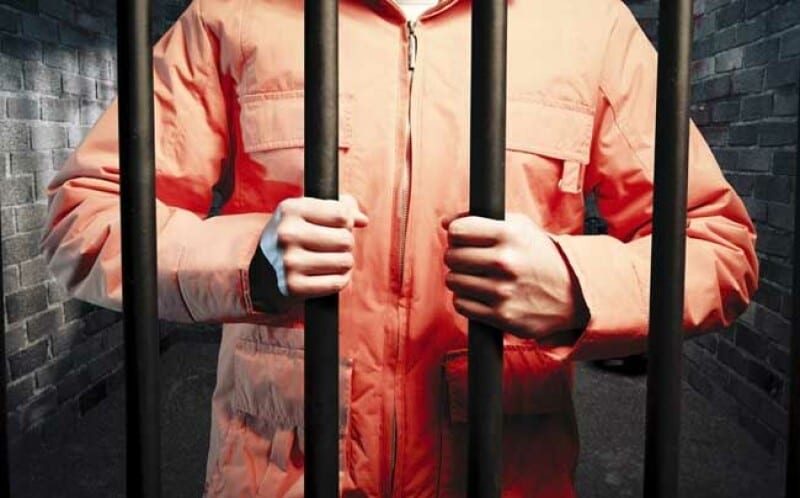
A New York federal court has sentenced Artem Stryzhak, a Ukrainian ransomware criminal, to 70 months in prison. That is a little under six years. He worked as a partner for two gangs, Nefilim and Hive. Hive's victims included an Ohio hospital that paid about $1.7 million in Bitcoin to get its systems back.
What he did
Ransomware is software that locks a victim's files until they pay. Both gangs ran on a "ransomware-as-a-service" model. The core group builds the tools and rents them to partners, called affiliates, who carry out the attacks. Prosecutors say Stryzhak began working with Nefilim around June 2021 while living in Barcelona, Spain. He agreed to hand the gang 20 percent of the ransom money he collected.
Prosecutors say he also joined Hive around the same time as one of its earliest affiliates. He used its platform to attack about seven victims.
Who the gangs went after
Nefilim pushed its partners to hit companies that could afford large payments. Its alleged boss, Volodymyr Tymoshchuk, told Stryzhak to focus on firms in the US, Canada and Australia with more than $100 million in yearly revenue. That was later raised to $200 million. One of Nefilim's best-known attacks hit Australian logistics company Toll Group in 2020.
Hive claimed about 1,500 victims worldwide between June 2021 and January 2023. Court documents list a law firm and the Ohio hospital among them. The hospital paid during the COVID-19 pandemic after Hive first demanded $2 million. Hive was also one of the groups that hit Costa Rica in 2022.
How he was caught
- Spanish police arrested Stryzhak in June 2024.
- He was sent to the US in April 2025.
- Law enforcement seized Hive's infrastructure in January 2023.
The FBI's Brett Leatherman called him a "prolific cybercriminal." He said the groups Stryzhak worked with were responsible for more than $100 million in victim damages.
What happens next
Tymoshchuk, the alleged Nefilim boss, remains at large. The FBI says its work is not finished and that it will keep pursuing Stryzhak's co-conspirators. The Justice Department also noted that rewards of up to $11 million are available for qualifying information about Tymoshchuk and other key ransomware suspects.
What it means for businesses
This arrest is a win, but it does not remove the threat. These gangs chose targets by their ability to pay. Regular backups and staff training remain the practical defenses for any business that fits that description.
The takeawayOne ransomware partner is going to prison, but the gangs target firms that can pay, so keep backups and train staff.