Between July and September 2026, the Internet went down 49 times somewhere in the world, according to Cloudflare. Government-ordered shutoffs caused the most, with 19 incidents. Power failures came next with 14. Natural disasters caused five. The numbers come from Cloudflare Radar, which tracks traffic to the company's customers. Cloudflare's network handles more than 20% of the web's traffic.
Governments pulled the plug
Government-directed shutdowns were the most frequent cause of disruption. Eighteen of the 19 were exam shutdowns in Iraq. The material also points to renewed conflict in Ethiopia's Tigray region as an example of how quickly connectivity can become part of a larger political and humanitarian crisis.
When the power fails, the Internet fails
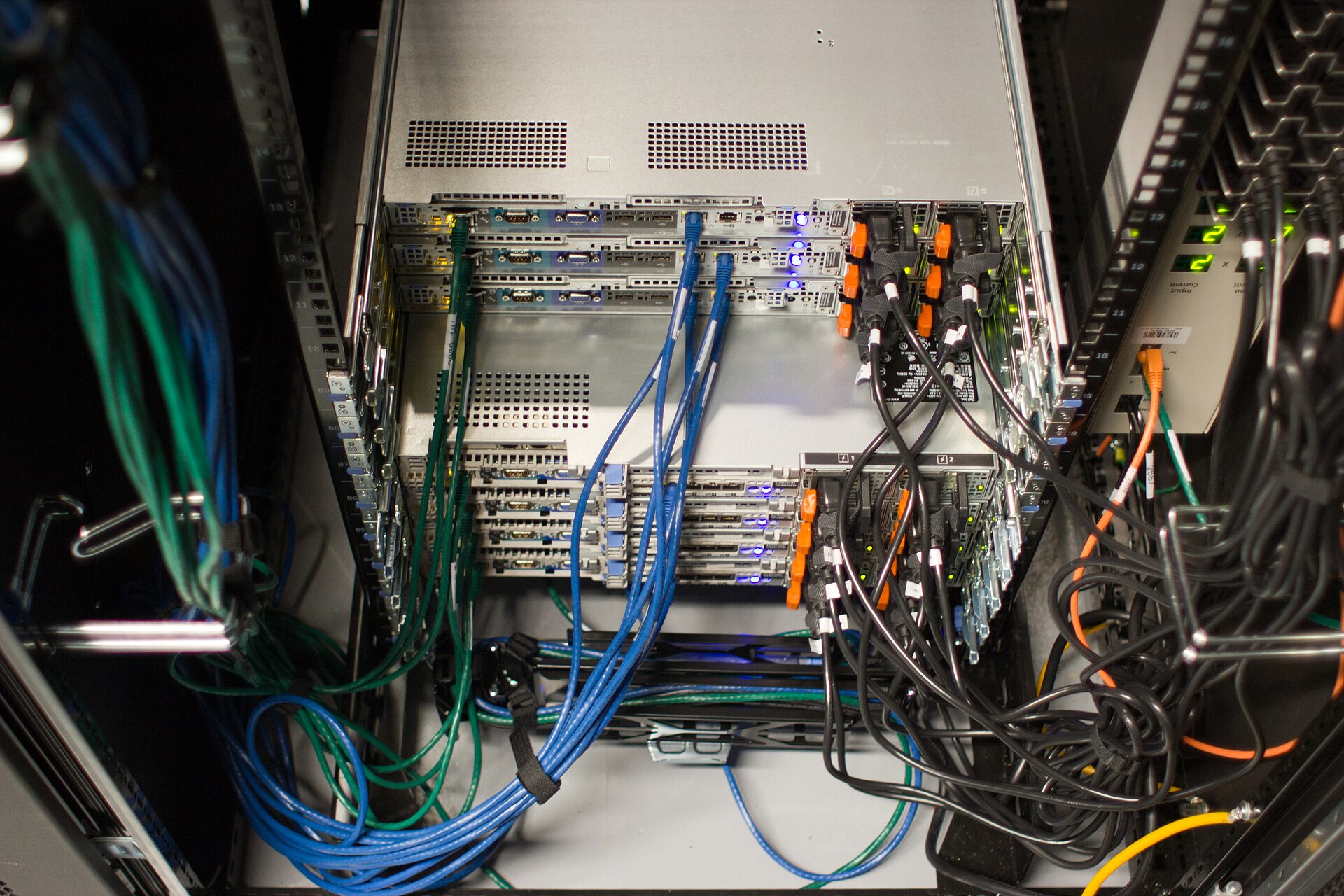
The Internet is built to be resilient, but it still runs on electricity. When power fails, routers, mobile base stations and data centers can go down with it. Radar saw 14 power-related disruptions across 10 countries.
- Honduras, September 10: a power failure at one interconnection facility hit at least 11 major providers. Web traffic fell 63% for about three hours.
- Cuba: four power-related outages, including a three-day blackout from September 18 to 20. Traffic drops ranged from 18% to 59%.
- Sevastopol, Ukraine, July 5: an eight-hour blackout cut web traffic by 98%.
- Ukraine, August 12: drone strikes on energy sites caused a ten-hour disruption and up to a 95% drop in traffic.
The Honduras case shows how one shared exchange point can become a single point of failure. Two providers, Telecomunicaciones de Guatemala and Celtel, were unaffected. Cloudflare suggests they may rely more on infrastructure outside the country.
Storms, quakes and cooling systems
Super Typhoon Bavi hit Guam less than three months after Super Typhoon Sinlaku, giving the island two major storm-related disruptions in one year. Officials declared a state of emergency early, yet strong winds still downed key transmission lines. Internet recovery took several days. On August 13, a cooling failure at a Phoenix data center nearly cut off traffic from the provider Namecheap.
No country is immune
Outages in the United States, Japan and Portugal show that even countries with strong records can be hit. For a business or family, that means planning for a day when power or connectivity is out, rather than assuming it will always be there.
The takeawayThe Internet depends on electricity, so keep a backup plan for power and connectivity for your home and your business.