Act this weekWhat happenedScammers are using texts, AI-cloned voices, fake media and fake QR code stickers to target phones, and a Malwarebytes study found about one in three people ignore warnings.
Who is affectedAnyone with an iPhone or Android phone, plus families and small businesses that get texts, calls and QR codes.
What to do- 1Do not act on unexpected texts, especially ones marked urgent. Go to the company's official website instead.
- 2Turn on automatic updates on your iPhone or Android phone.
- 3Agree on a voice password with family. If a caller claims to be your bank, hang up and call back on a number you look up yourself.
- 4Check QR codes for peelable stickers. If unsure, type the web address by hand, and turn on two-factor authentication.
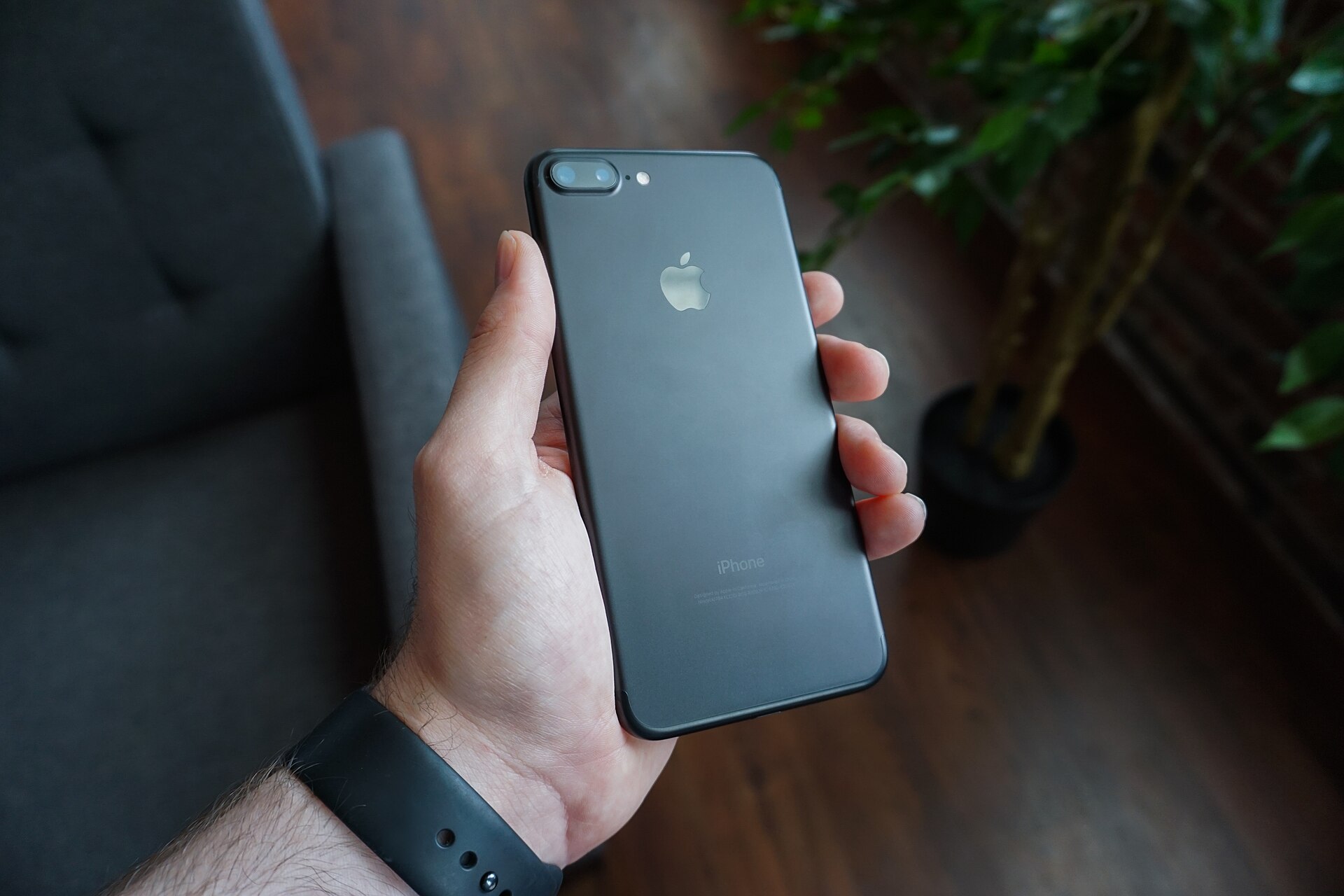
Phone scams are getting harder to spot, and a lot of people have stopped paying attention to the warnings. A study by the security company Malwarebytes found about one in three people now ignore them. At the same time, scammers are using texts, fake voices and fake QR code stickers to go after phones.
What changed
Texting is a favorite tool for criminals. Consumers lost $470 million to text scams in 2024, up 26% from $373 million the year before. That is five times the amount reported in 2020. The FTC cites estimates that text open rates run as high as 98%, compared with 20% for email. People read their texts, and scammers know it.
AI is making things worse. AI-made audio fraud doubled in the first half of 2026, according to CrowdStrike's 2026 Threat Hunting Report. In the Malwarebytes survey, 16% of adults said they got a phone call in the past year with a cloned voice pretending to be someone they know.
Why it is harder to tell
People feel the shift. In the Malwarebytes data, 85% now say it is hard to tell a scam from the real thing, up from 66% a year ago. And 84% say convincing video no longer counts as solid proof. A video or photo that asks for money, a click or personal details should not be trusted on its looks alone.
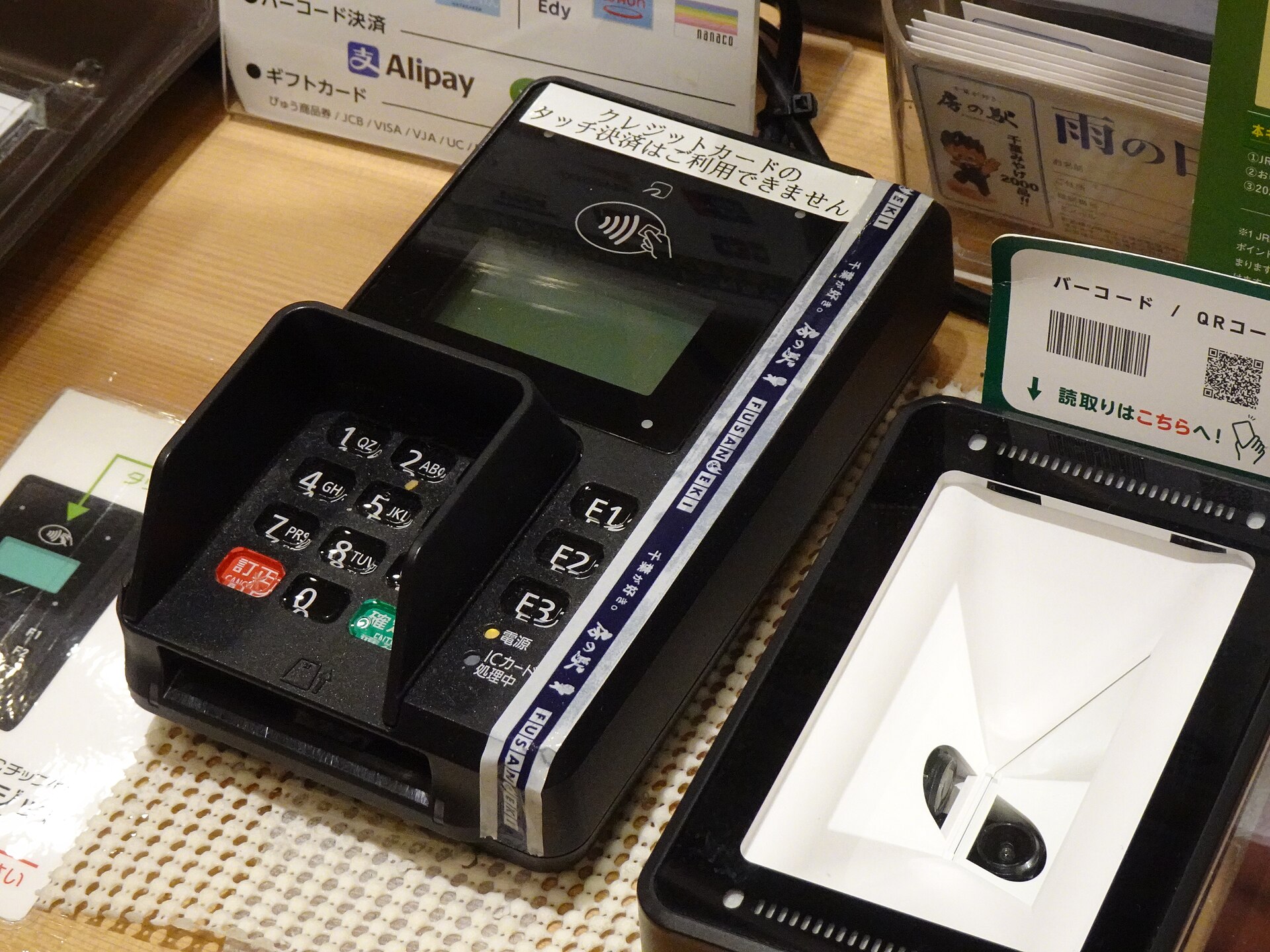
Fake QR codes are also growing. Fraudsters stick a fake label over a real QR code, the square barcode you scan with your phone camera. Palo Alto Networks' Unit 42 says it detects more than 11,000 malicious QR codes per day. Android phones are a target too. Malwarebytes found Android malware detections rose 151% in the first half of 2025.
Who it affects
Anyone with an iPhone or an Android phone can be reached. That includes families and small businesses that get texts, calls and QR codes in daily life. No one group is singled out in the study.
There is some good news. Real organizations generally do not ask for payment or personal details in unsolicited texts. A real QR code, such as one at a parking meter, is printed on the housing or sits under a protective laminate layer. Those are signs you are probably dealing with the real thing.
What to watch for
- A text that says it is urgent and asks for money or details
- A call from a bank or a loved one that feels off
- A video or post that asks you to send money or click
- A QR code with a sticker you can peel up
What to do
The alert box above lists the steps. They come down to a few habits: go to official websites yourself, keep your phone updated automatically, agree on a family voice password, and check QR codes before you scan. Turning on two-factor authentication, which asks for a second proof of identity when you log in, also helps if criminals already have some of your information.
What happens next
The tactics are changing fast. The FBI issued an alert in January about North Korean hackers using QR codes to target think tanks and government officials. The material does not say how losses will move from here. It does show the trend pointing the wrong way, which is a good reason to keep the habits in place.
The takeawayDo not trust a text, voice, video or QR code on its own. Check through an official website or a number you look up yourself.