Google and Samsung now promise seven years of updates on their newest flagship phones. The catch, according to a How-To Geek writer, is that the hardware may not last that long. The battery usually gives out first, and the screen is the second most common part to fail.
What changed
Google started the trend with its Pixel phones a few years ago. Samsung followed. Seven years of updates is now standard on the newest flagships. A Galaxy S26 or Google Pixel 11 bought today would get Android and security updates until 2033, which the writer says would mean Android 24. She expects makers may stretch the promise to 10 years or more.
Why the battery goes first
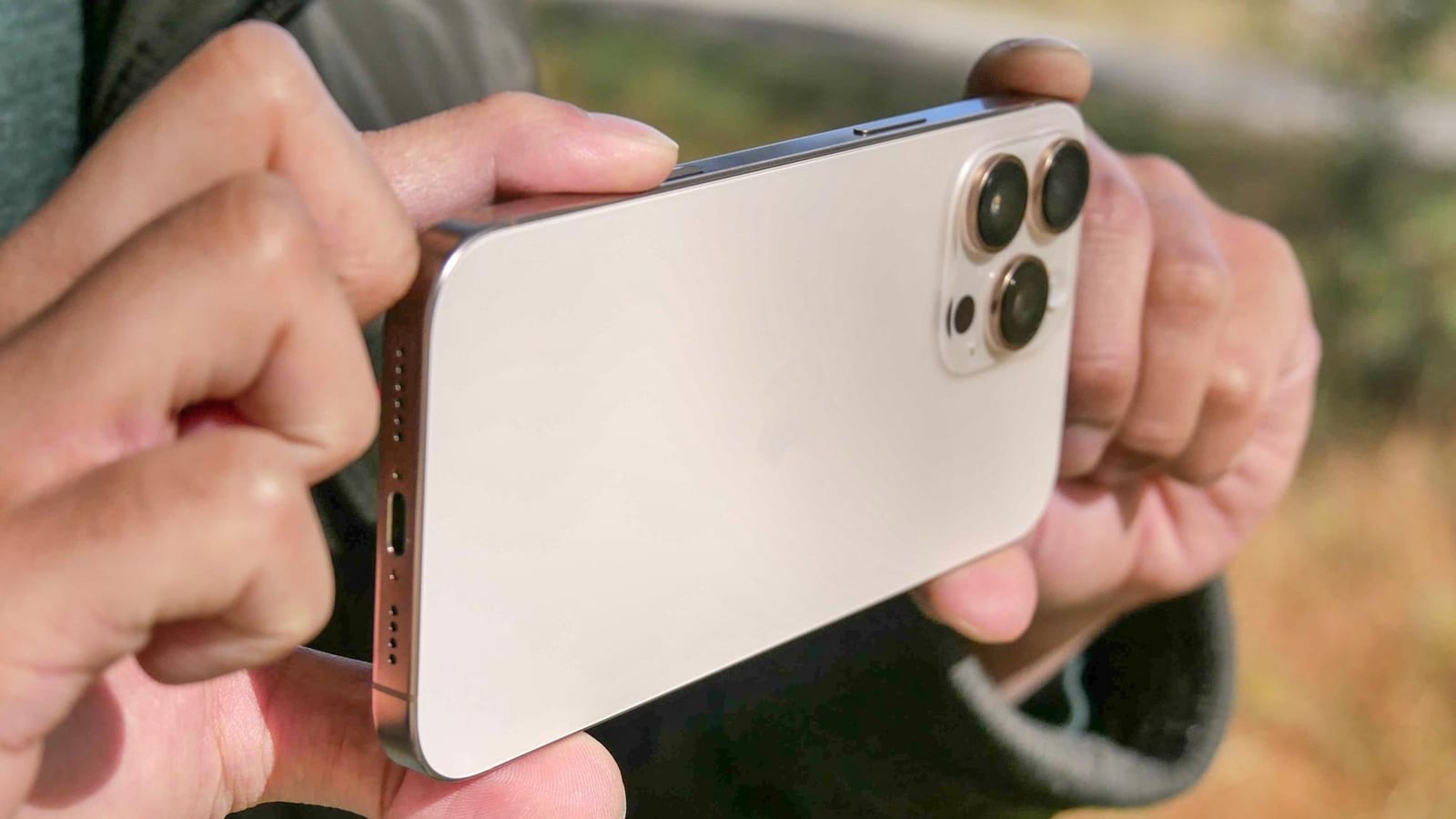
Phone batteries are still the same lithium-ion type used in phones from the 2000s. Newer types, such as solid-state batteries, exist but cost more, so most brands skip them. A lithium-ion battery can only handle a set number of charge cycles. As it nears that limit, the battery health percentage drops.
- Shorter time between charges
- Slower charging
- Possible overheating
- Other hardware trouble that stems from a weak battery
The screen is next
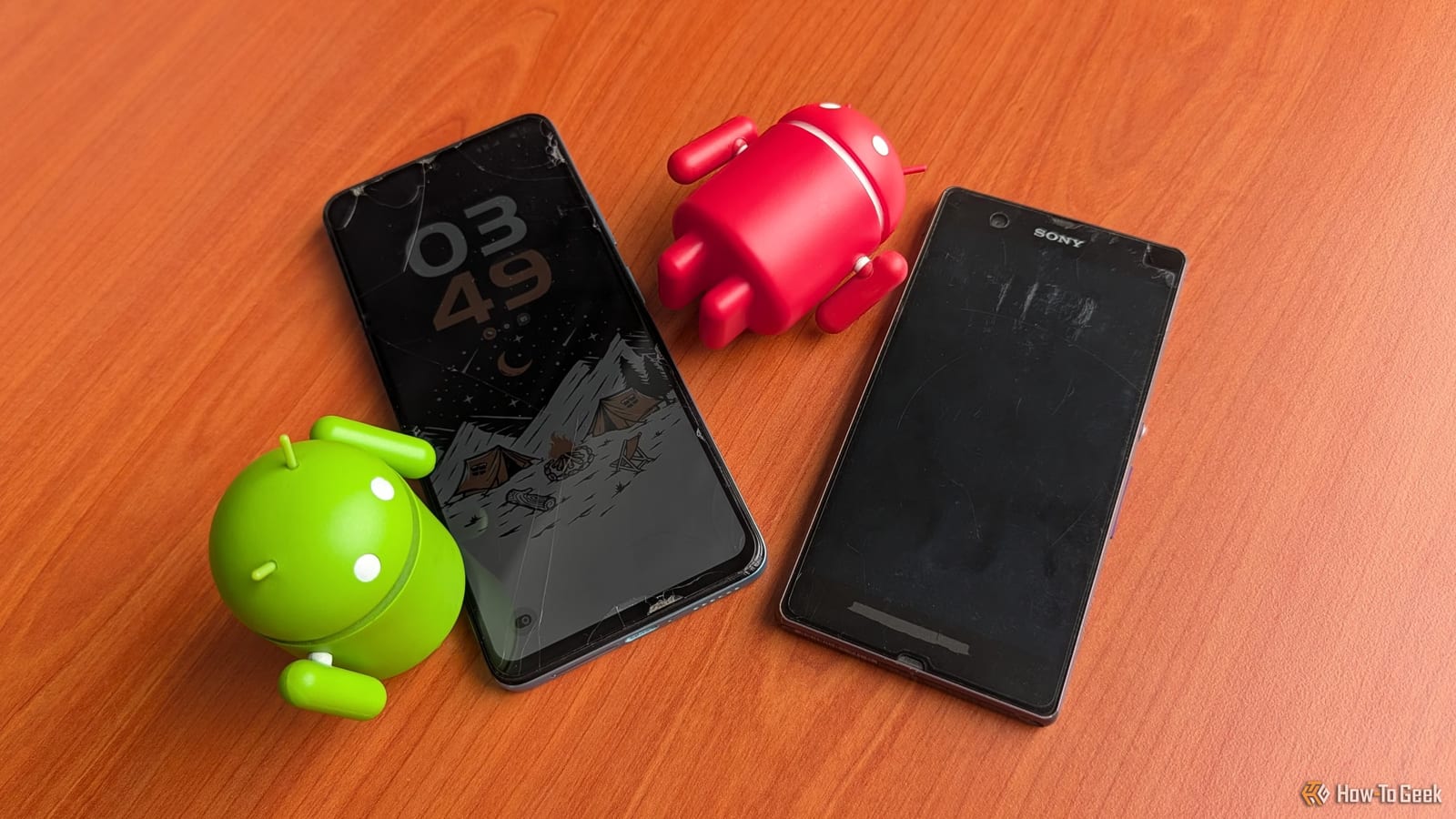
A phone's display is its most exposed part, and it can even break before the battery. Water and dust ratings such as IP68 or IP69 do not stop cracks. Top phones use Corning Gorilla Glass, but cheaper phones tend to have weaker glass and lower ratings. Some budget models have no rating at all. Foldables are more at risk, since moving parts wear out faster.
The writer also flags the green line problem. A permanent green line appears on the screen and often spreads. Hundreds of users report it every year. Once the warranty ends, the owner pays for a new display.
What to do
Battery care cannot stop the wear, only slow it. The writer suggests these steps.
- Check your battery health regularly
- Turn on the charging setting that protects battery health, even if it charges slower or stops below 100%
- Keep the phone out of the sun and extreme heat
- Avoid charging overnight when you can
Even so, people who keep a phone for many years will likely need a battery replacement along the way.
What is not known
The cause of the green line is still unclear. The writer says she contacted Samsung, Motorola, and display makers BOE and LG, and got no reply. Nothing in the report shows how many seven-year-old phones are still working, because none exist yet.
The takeawayBefore paying extra for a long update promise, plan for a battery swap or screen repair, and turn on your phone's battery protection setting.