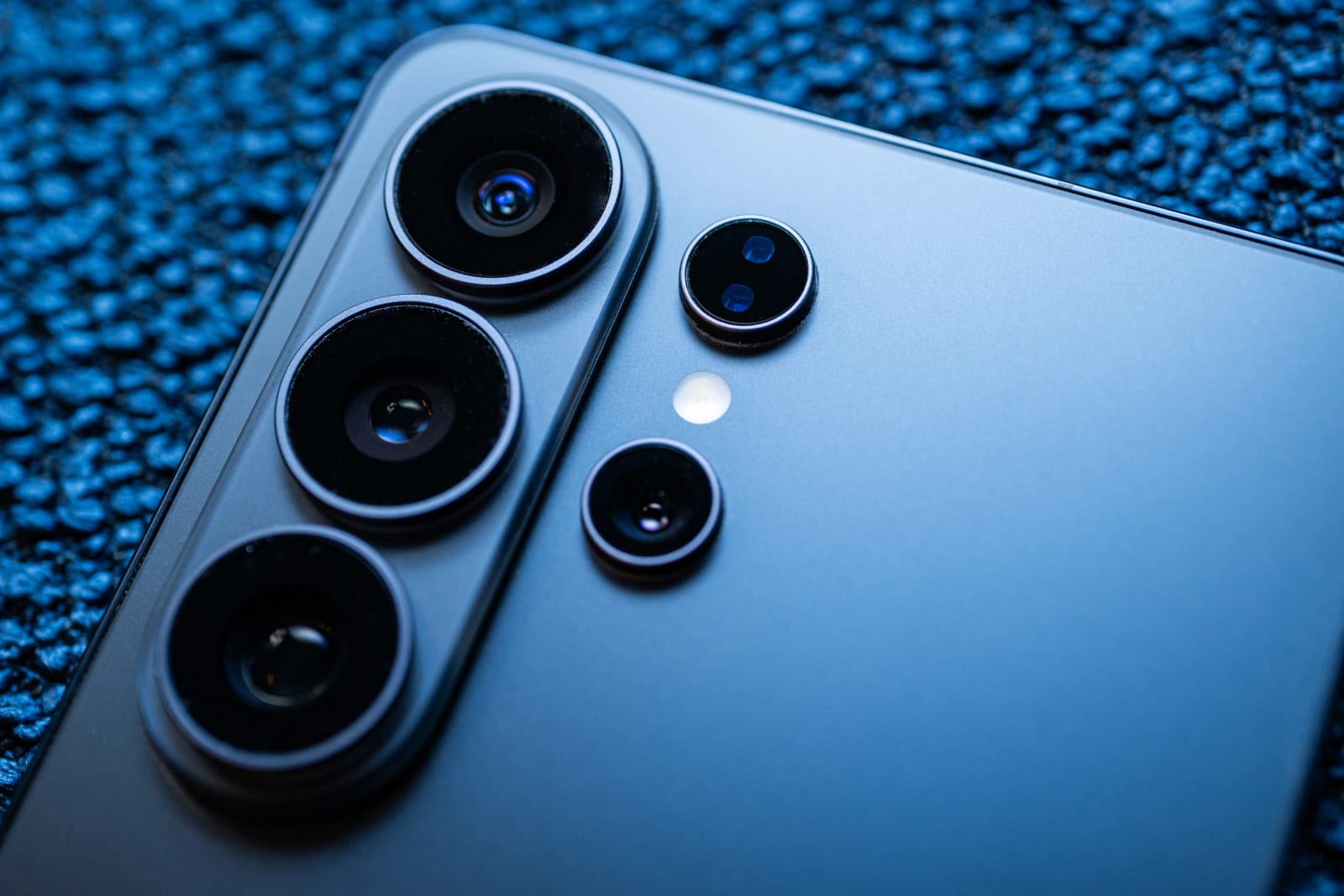
Phone cameras throw away a lot of light, and a new technology wants to stop that. Metalenz, a Boston company, has acquired an Israeli startup called PxE Holographic Imaging. PxE built a thin layer that could help phone cameras gather up to a claimed 2.5 times more light. That could mean clearer photos in dim rooms and at night. Metalenz expects it in consumer devices by late 2027 or early 2028.
The problem with today's color filter
Every phone camera has a red, green and blue filter over its sensor. It is called the Bayer filter, and it was created in 1974. It adds color to your photos. But to make a red pixel, it blocks the blue and green light. The result is that around 60 percent of the light is absorbed and wasted before it reaches the sensor.
What the new layer does
PxE's layer is called a HoloCoder. It is a microscopic structure that sits directly on top of the image sensor. Instead of absorbing light, it bends the light waves toward the sensor's pixels. That is how it could collect more light. It can also capture depth, meaning how far away things are, at the same time.
Phones now use extra cameras, dedicated depth sensors or AI guesswork for features like portrait mode. Combining light and depth sensing in one layer could simplify the hardware, saving space and processing power.
Why it matters for photos
More light helps most where phones struggle. Night photos and night video could improve. So could high-contrast scenes, such as a selfie in front of a bright window. The sensor could capture more of the scene without washing out bright areas or burying dark ones in grainy noise.
Metalenz CEO Rob Devlin argues software has limits. Once light is absorbed, he says, that information is lost and cannot be bought back, even with huge software spending.
What is not known yet
- The price Metalenz paid for PxE was not disclosed.
- The 2.5 times figure is a claim, and the technology is not on the market yet.
- No phone maker has been named as a customer.
Arka Majumdar, a University of Washington researcher, agrees that the color filter loses a lot of light and that dropping it can help low-light photos. He is more skeptical that it can revolutionize some other product categories. He also notes that Samsung and a startup called Eyeo are researching their own alternatives.
What happens next
Metalenz says it has shipped more than 300 million of its flat metasurface lenses to consumer devices. It argues that this supply chain should help it bring the HoloCoder to market. Devlin points to late 2027 or early 2028 for consumer products. Until then, phones will keep using the old filter.
The takeawayBetter night photos may be coming, but not before late 2027, and the 2.5 times light gain is still only a claim.