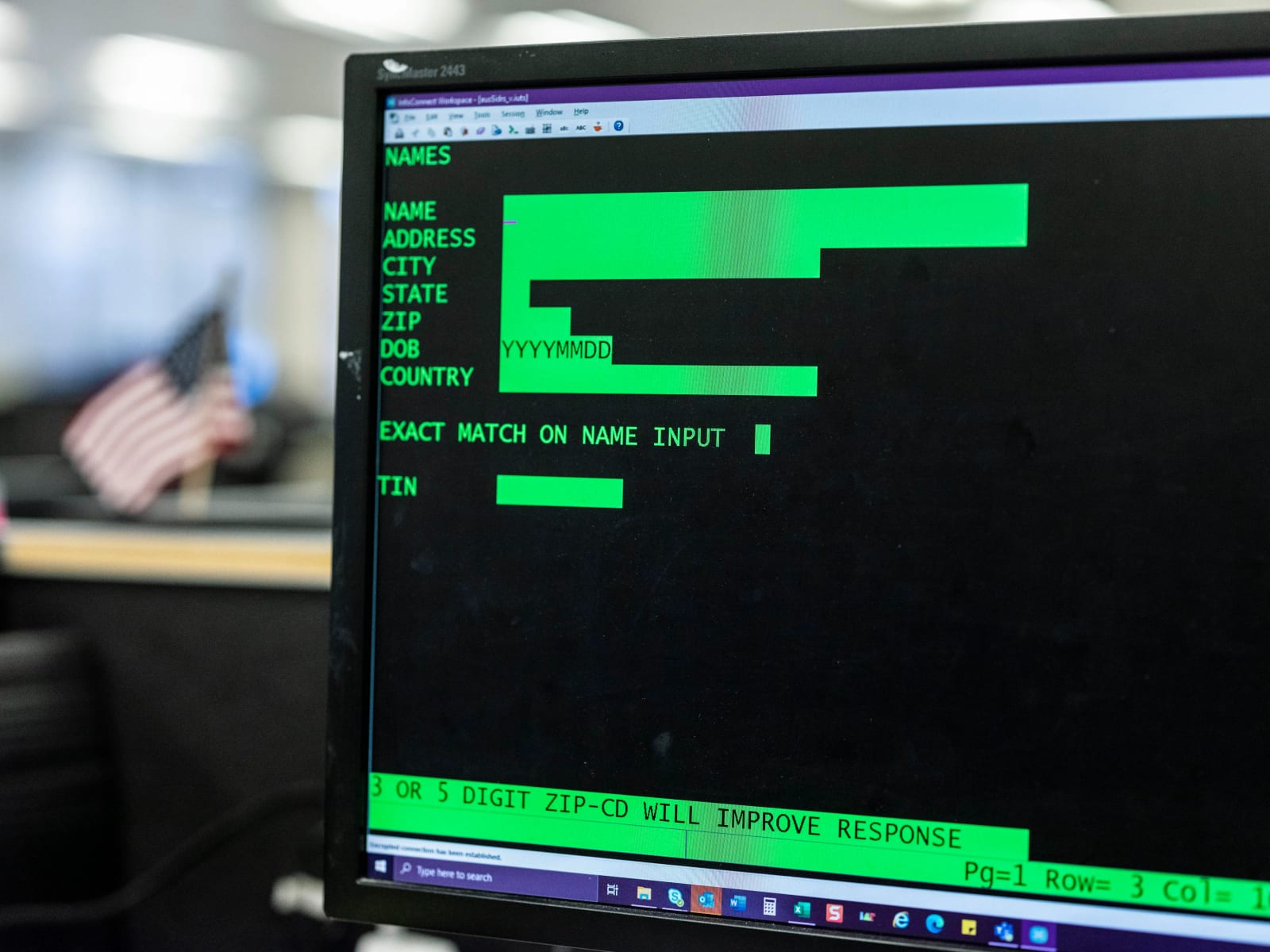
OpenAI says its latest AI models are much better at rewriting very old software code into modern code. Experts told The Verge the claim is real progress but nowhere near enough to safely replace the systems that run banks, tax agencies and airlines. The code in question is called COBOL, and it dates to 1959.
Why this old code matters
COBOL is short for "common business-oriented language." IBM says it is the foundation for more than 40 percent of online banking systems. It also supports 80 percent of in-person credit card transactions and handles 95 percent of ATM transactions. Many government systems use it, including Social Security, the IRS and services run by most states.
One rough estimate puts the yearly cost of COBOL's inefficiencies to the US economy at about $105 billion. Replacing it is hard because the systems are too important to risk breaking, and many of the programmers who understand them have retired or died.
What OpenAI claims
On October 19, OpenAI reported "substantial improvements" in moving COBOL into newer languages such as Java, Python and Rust. The key rule is that the new code must behave exactly like the old code. OpenAI says a migration counts as successful only if all tests pass.
- GPT-6.1 Sol scored 87 percent at low effort and 98 percent at higher effort.
- GPT-6 Astra scored around 86 percent at low effort.
- GPT-6 Sol scored 21 percent, and GPT-5.6 Sol scored 5 percent.
These are OpenAI's own tests. Anthropic has also pitched its Claude Code tool for this work, but it published no scores. IBM shares fell after that announcement.
Why experts are cautious
"Rewriting code is not the same as replacing a system," said Vadim Zaytsev, a software professor at the University of Twente in the Netherlands. Systems can mix several languages. They also hold data in different formats, connect to other systems and serve people with set expectations. He said the largest system he has seen had 250 million lines of COBOL.
Zaytsev said AI is not playing a major role right now in replacing or migrating COBOL systems. Arie van Deursen, a software engineering professor, said OpenAI's tests do not capture this complex reality either.
What happens next
OpenAI spokesperson Oscar Haines said legacy code "is still far from a solved problem." He said the company is exploring better tests and ways to improve its models. Anthropic did not comment in time for publication. For now, expect slow, careful change to the systems behind your bank and taxes, not a quick AI swap.
The takeawayAI is getting better at translating old bank code, but replacing the systems behind your money will stay slow and careful.