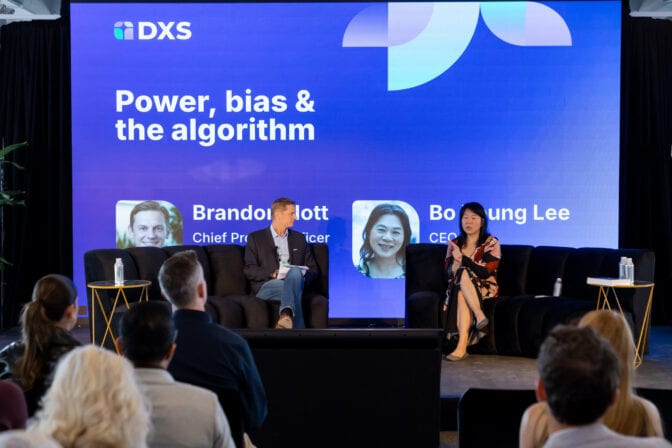
Nonprofits at the Donor Experience Summit in New York City heard a clear message about AI: use it to study your donor data, but do not let it speak for you. Speakers said AI can help charities know their supporters better. They also warned that appeals written by AI can sound like every other charity's.
Where AI helps
Jon Thompson of the Children's Hospital of Philadelphia said analytics is where AI really shines. The hospital uses it to build psychographic profiles of supporters. That means profiles of what people care about and how they think, used to decide how best to reach them.
Thompson said AI helps the hospital build "deeper, more meaningful relationships" with supporters, and do it at scale. In his words, donors feel more engaged and more connected to the mission.
Where it falls short
Bo Young Lee, an AI ethicist and adviser for the nonprofit AI4ALL, said AI-generated appeals can lack originality. She supports using AI to analyze donor numbers. Her advice is to frame the results so they show what is unique about your mission. That helps an organization stand out.
Lee also cautioned groups that serve international communities. Most AI models were trained on English documents written by English speakers. She said AI can mimic knowledge of Chinese culture and language, but it does not truly know that culture. If your community's knowledge is not captured in English, AI is unlikely to understand it.
She added that tools built for people with limited English can backfire. A tool may wrongly assume users lack education or intelligence, which can offend them or give weak answers.
Mixing channels
Kyle Gardner of Charity Navigator said the group's research found a connection problem with donors. "Building connection is not a soft skill or nice to have," he said. "It's essential."
Kevin Schulman, founder of DonorVoice, said donors hear from charities online, in person and by mail. His company found that digital ads placed in the weeks before planned donor calls made supporters more receptive. Donors also stayed on the phone longer. Most notably, the ads led to greater giving by phone.
Dan Sonners of Judicial Watch said direct mail now feels more personal because it stands out from the perfectly tailored, AI-driven messages found everywhere else.
What to take from it
- Use AI to study donor data and learn what supporters care about.
- Write appeals in your own voice so they do not sound generic.
- Show what makes your mission different when you share data.
- Pair ads, calls and mail instead of relying on one channel.
The takeawayUse AI to understand donors, keep your appeals in your own voice, and combine calls, ads and mail.