Microsoft has added new tools to its Azure cloud that give customers tighter control over who can reach their data and who holds the keys that lock it. The company announced them on October 20, 2026, tied to its Microsoft Ignite event. The headline change: a customer can now keep the master encryption key on hardware it owns.
What changed
- Sovereign Control Panel, now in public preview, shows control settings, gaps and risks in one place in the Azure portal.
- External key management with Azure Managed HSM is now generally available.
- Data Guardian adds European oversight of Microsoft engineer remote access, for customers in the EU and EFTA.
- Production Touch Ledger keeps tamper-evident records of that access, with a phased rollout in the EU and EFTA.
Why the keys matter
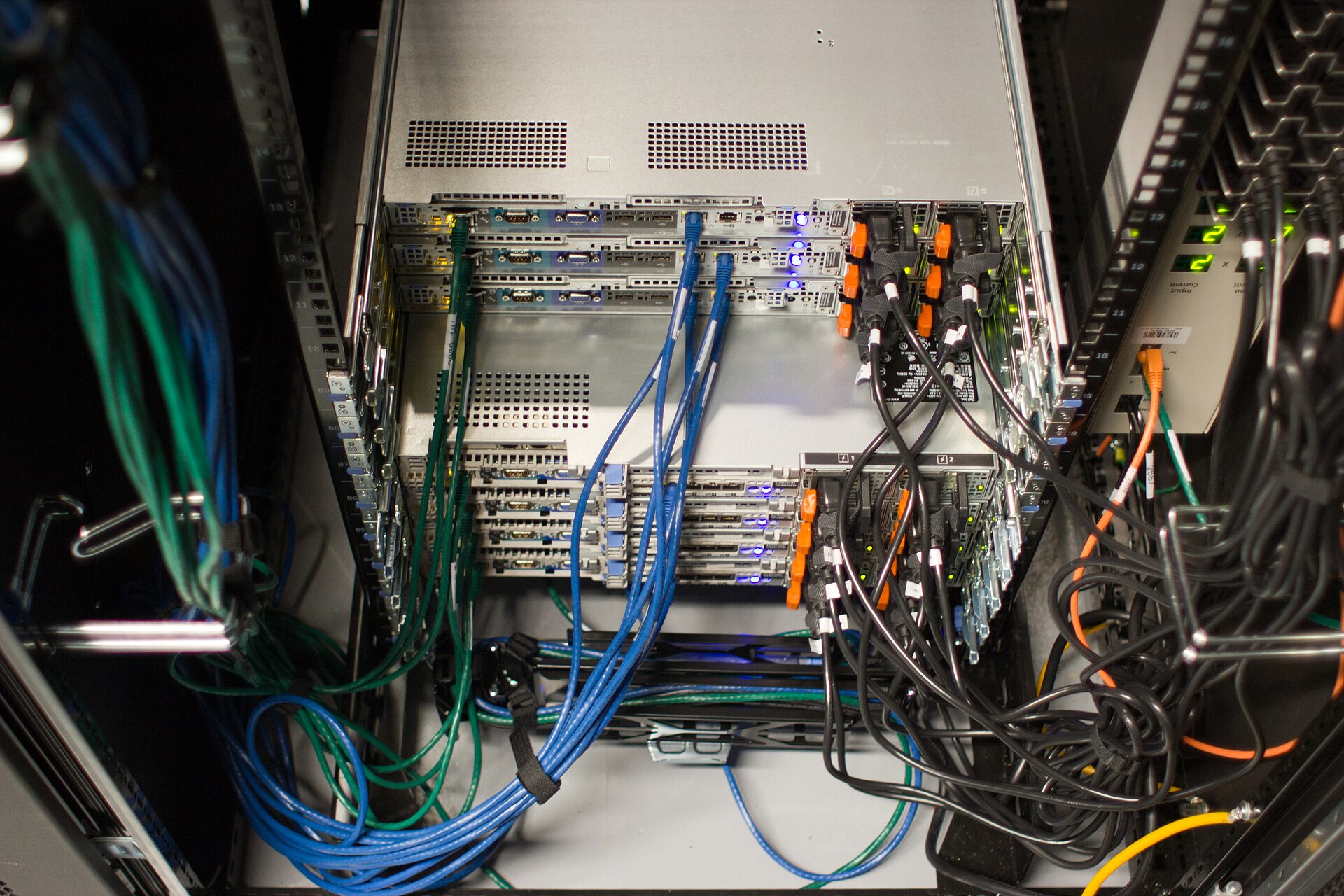
Encryption scrambles data so only someone with the right key can read it. An HSM, or hardware security module, is a dedicated device that stores those keys. With the new option, the root key can sit in hardware the customer owns and runs, either on-premises or through a trusted third party. That puts physical control of the key outside Microsoft's buildings.
Who it affects
Microsoft says the push comes from talks with government, critical infrastructure and regulated industries. These groups want to know more than where data is stored. They want to know who can operate their systems, what happens if connections fail, and which technologies they depend on. Microsoft calls this digital sovereignty, meaning control over the technology you rely on.
Microsoft also describes a mix of options. Public cloud suits some workloads. A private cloud can run in a customer's own environment, including when it is disconnected. Partners can run independent environments. Separately, Azure Confidential Clean Rooms is in limited preview and lets groups analyze shared sensitive data while limiting exposure of the underlying information.
What to ask any cloud provider
- Who can access our systems, and is each access logged?
- Who holds the encryption keys, and can we hold them ourselves?
- Can critical services keep running if the connection drops?
What is not clear yet
The material does not give pricing or full rollout dates. Data Guardian covers only qualifying Microsoft engineer remote access to in-scope production systems, and Microsoft does not list here which customers or systems qualify. Some tools are still in preview, so they are not yet final.
The takeawayIf your business handles sensitive data, ask your cloud provider who can access your systems, who holds your encryption keys, and how services keep running if connections fail.