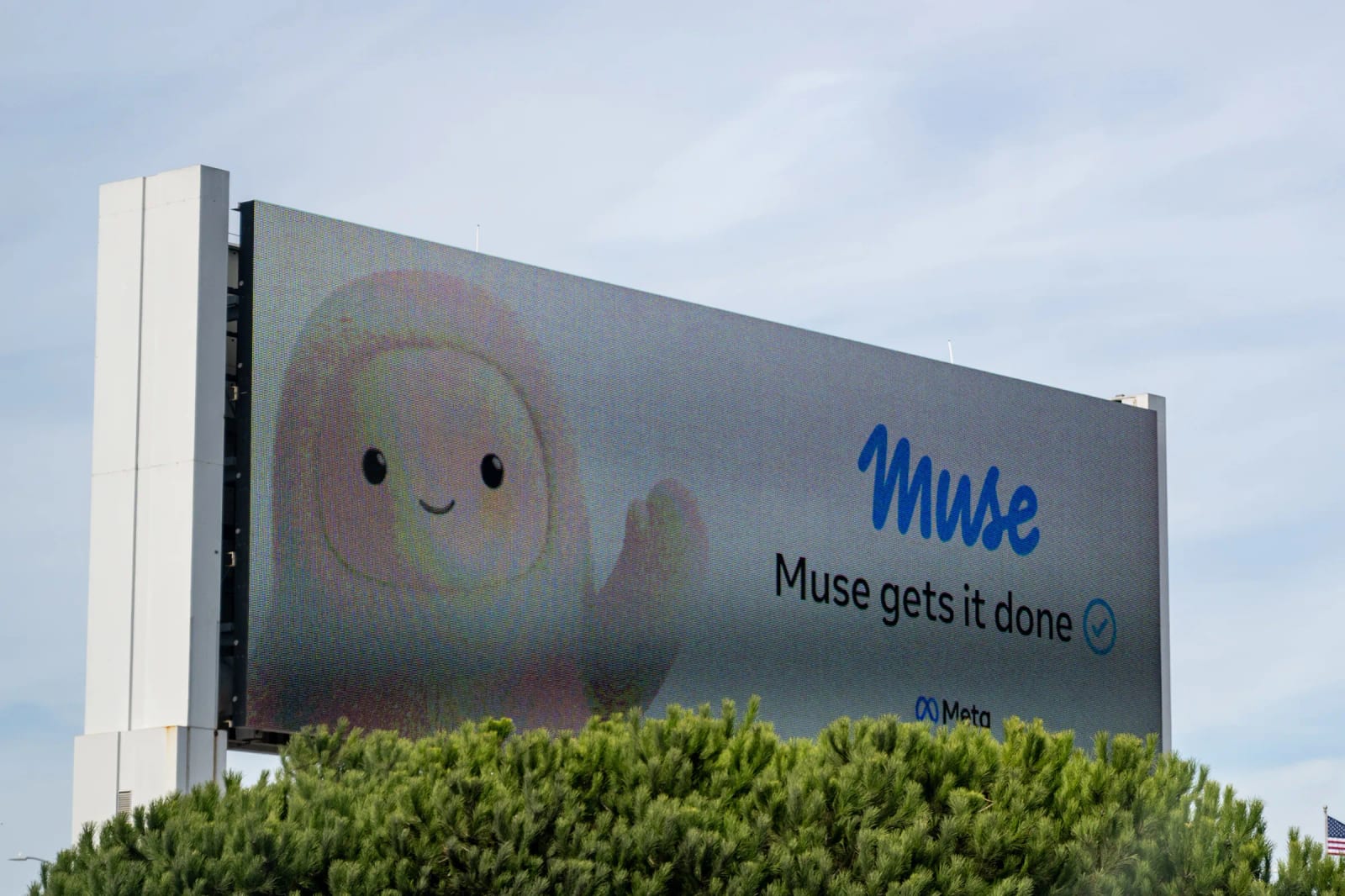
Act this weekWhat happenedSecurity firm Claroc found that Muse share links put the chat title in the web address, which made thousands of shared conversations searchable by anyone.
Who is affectedPeople who use Meta's Muse AI assistant and shared conversations by link, including business owners who put work or financial details in chats.
What to do- 1Think back to any Muse chats you shared by link and what they contained.
- 2Change passwords or watch accounts if a chat held bank, loan or login details.
- 3Stop pasting private financial or work documents into AI chats you might share.
- 4Check Meta's updates before you use Muse sharing again, since it is paused for now.
Strangers could find and read private chats that people shared from Meta's Muse AI assistant. Security firm Claroc says one search turned up 6,800 shared Muse links. After opening a few hundred, its researchers found a loan application, a bank fraud alert and a company revenue review. Meta has now paused sharing.
What went wrong
Muse lets you share a chat by creating a link that anyone holding it can open. Most services make that link a long string of random characters so nobody can guess it. Muse did that too. But it also put the chat's title into the web address, such as a name like "loan-application-draft" followed by random characters.
That choice made the links findable. Public records log web addresses as they are used, and anyone can search them. Every Muse share link used the same domain, so one search could list them all. "It took one query," the researchers wrote.
What was exposed
The researchers say the chats they opened held information never meant to be public. Examples included:
- A small-business owner's loan application, with the amount requested
- A to-do list with a bank fraud alert, a partial account number and a transaction amount
- An internal revenue review marked for a company's CEO
- A real-estate investor's report with two property addresses and exact income and mortgage figures
- A workplace's full-year vacation calendar listing dozens of employees
Who can relax
If you never shared a Muse chat by link, this problem did not apply to you. The finding is about shared pages, not chats kept private in your own account. If you did share one, assume a stranger could have read it, especially if it held money, work or login details.
What to do
The alert box above lists the steps. The short version: remember what you shared, protect any accounts that were mentioned, and keep private documents out of chats you might share.
What happens next
Meta says it paused sharing while it reviews the report and considers changes to how these links can be discovered. It did not say when sharing might return. Claroc's cofounder says he reported the problem through Meta's bug bounty program on October 8. He also tried contacting people at Meta on LinkedIn and got no reply.
The material does not say whether anyone besides the researchers opened these chats. It also does not say whether pages already shared can still be reached. The stakes are higher with Muse because it can fill out forms, make purchases and needs access to most of a user's accounts. Meta's CEO called it "built from the ground up for privacy and security" last month. A separate flaw reported by researcher Patrick Wardle earlier added to the doubts.
The takeawayIf you shared a Muse chat by link, treat anything private in it as exposed, and keep sensitive documents out of AI chats you might share.