Mathematician Steven Strogatz has a new book, Big Math: The Hidden Codes That Run Our World, written with Alex Townsend of Cornell. Its core idea is simple. Some math problems are too large for a person to work through, so computers do the heavy lifting. That hidden math touches everyday things, from medical scans to the shape of your voting district.
What "big math" means
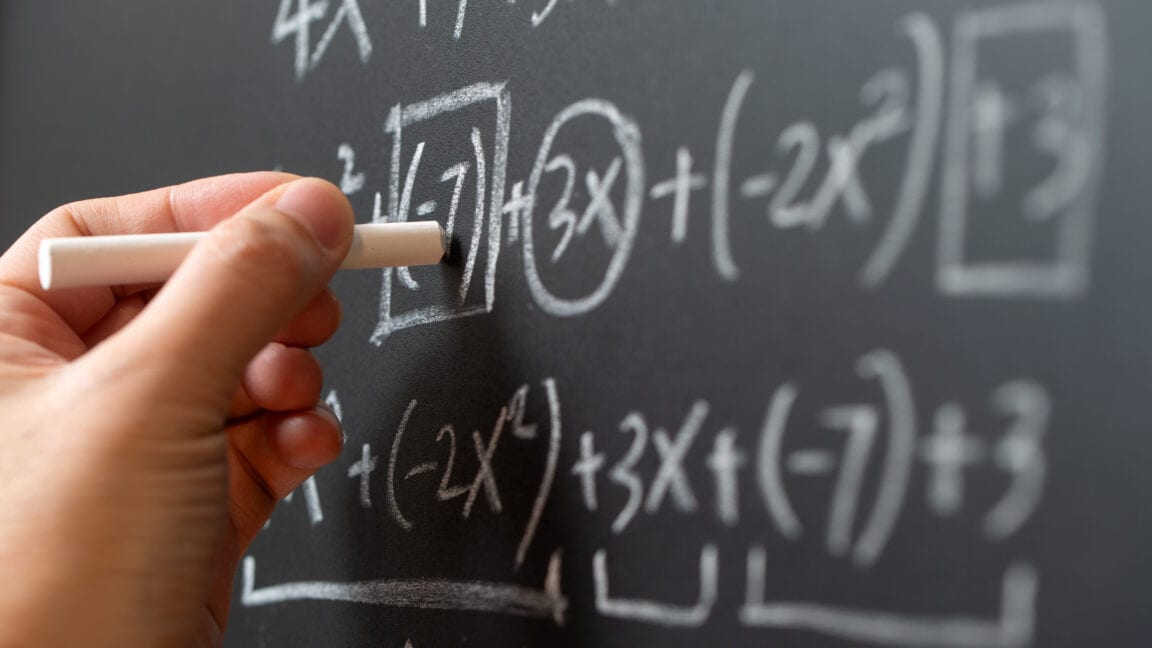
Strogatz defines big math as big relative to human cognitive capacity. A problem can be small in size and still be beyond a person's head. He says it is not just about big numbers. The book leans on two ideas, linearity and sparsity. Linear problems can be scaled up to immense size and stay manageable. Non-linear ones are far harder to handle with pure math, though computers can still work on them.
Where it shows up
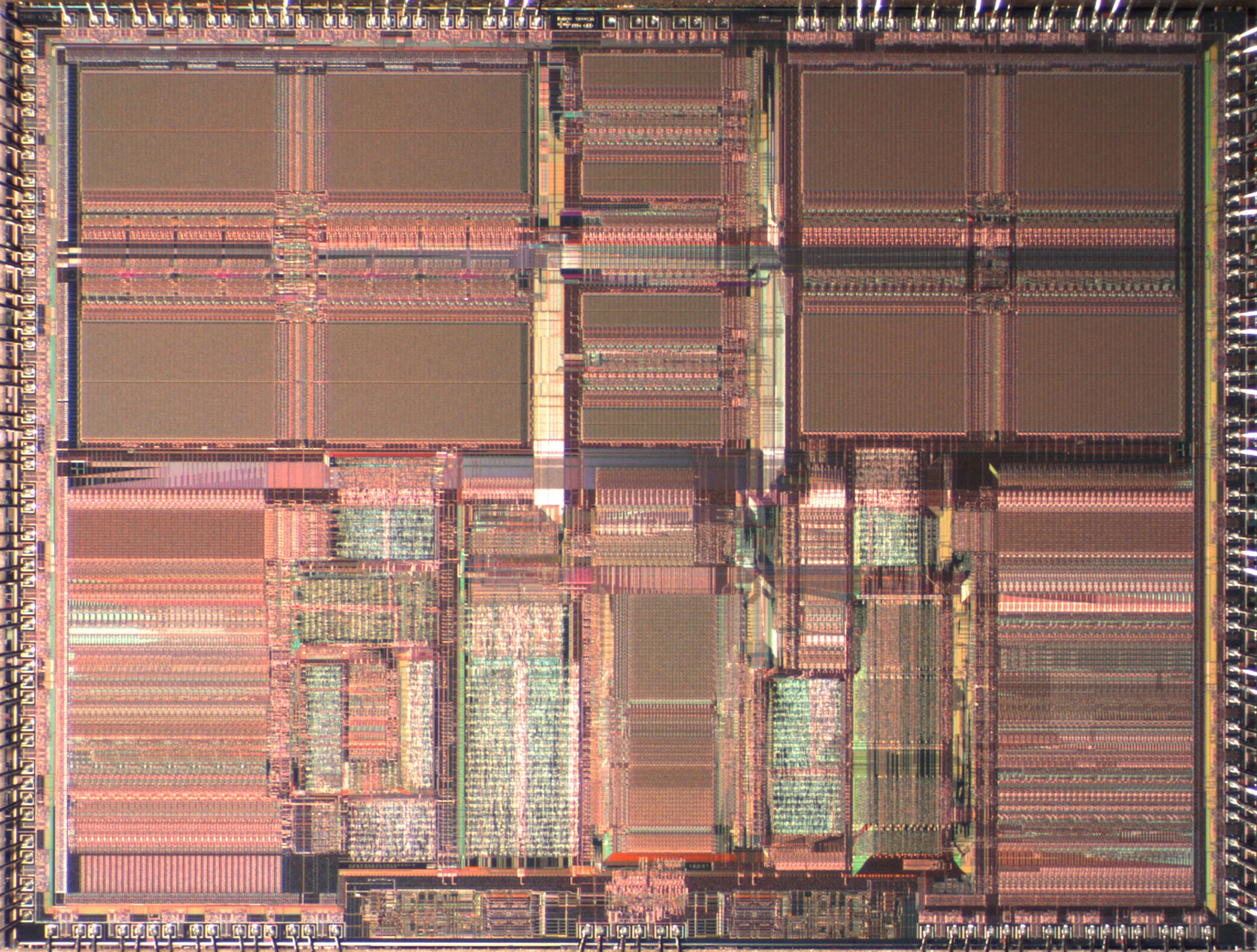
Strogatz points to several places. The lunar module that landed on the Moon had a tiny computer that tracked only 20 or 30 variables at a time. Even so, no person could do that in their head. He also names the building of the Burj Khalifa and medical imaging. Today, the biggest large language models, the systems behind AI chatbots, use trillions of parameters, which are the adjustable numbers inside them.
- Moon landing: 20 or 30 variables, still beyond a human mind
- Skyscraper design, including the Burj Khalifa
- Medical imaging
- Large language models with trillions of parameters
An old idea with new power
Strogatz argues that handing math to tools is not new. The abacus helped with arithmetic. A Chinese counting board called the fangcheng, or "rectangular array," helped with systems of linear equations, using bamboo sticks and a hand-moved grid. He calls this externalizing of math outside our heads a 2,000-year-old idea. He also notes that infinity is easier to handle than a billion, because calculus fits in a human head.
The voting district example
The book also covers gerrymandering, which means drawing district lines to favor the party in power. Strogatz says the law asks for districts that are compact, contiguous and roughly equal in population. Districts should also respect natural boundaries like rivers. The trouble is that "compact" is vague. Many maps meet every rule, and past voting data can be used to stack the deck. The principle, he says, should be one person, one vote.
What is not clear yet
The interview is framed around a bigger question: what happens to mathematics when AI becomes an oracle, an answer machine we trust without fully checking? The text available here does not include Strogatz's full answer. His and Townsend's closing line points to the stakes, letting human power grow without losing human soul.
The takeawayMath too big for any person already shapes scans, buildings and voting maps, so it helps to ask who checks the computer's work.