Act this weekWhat happenedOne Johns Hopkins employee's upload exposed sensitive medical information belonging to 3,182 patients.
Who is affectedPatients of Johns Hopkins, and any business or health provider where staff upload or share files with private customer data.
What to do- 1Ask your team which tools they use to upload or share files.
- 2Limit who can see sensitive files to the people who need them.
- 3Set clear rules on what customer or patient data may be uploaded and where.
- 4If you get a breach notice, read it and watch your accounts and statements for odd activity.
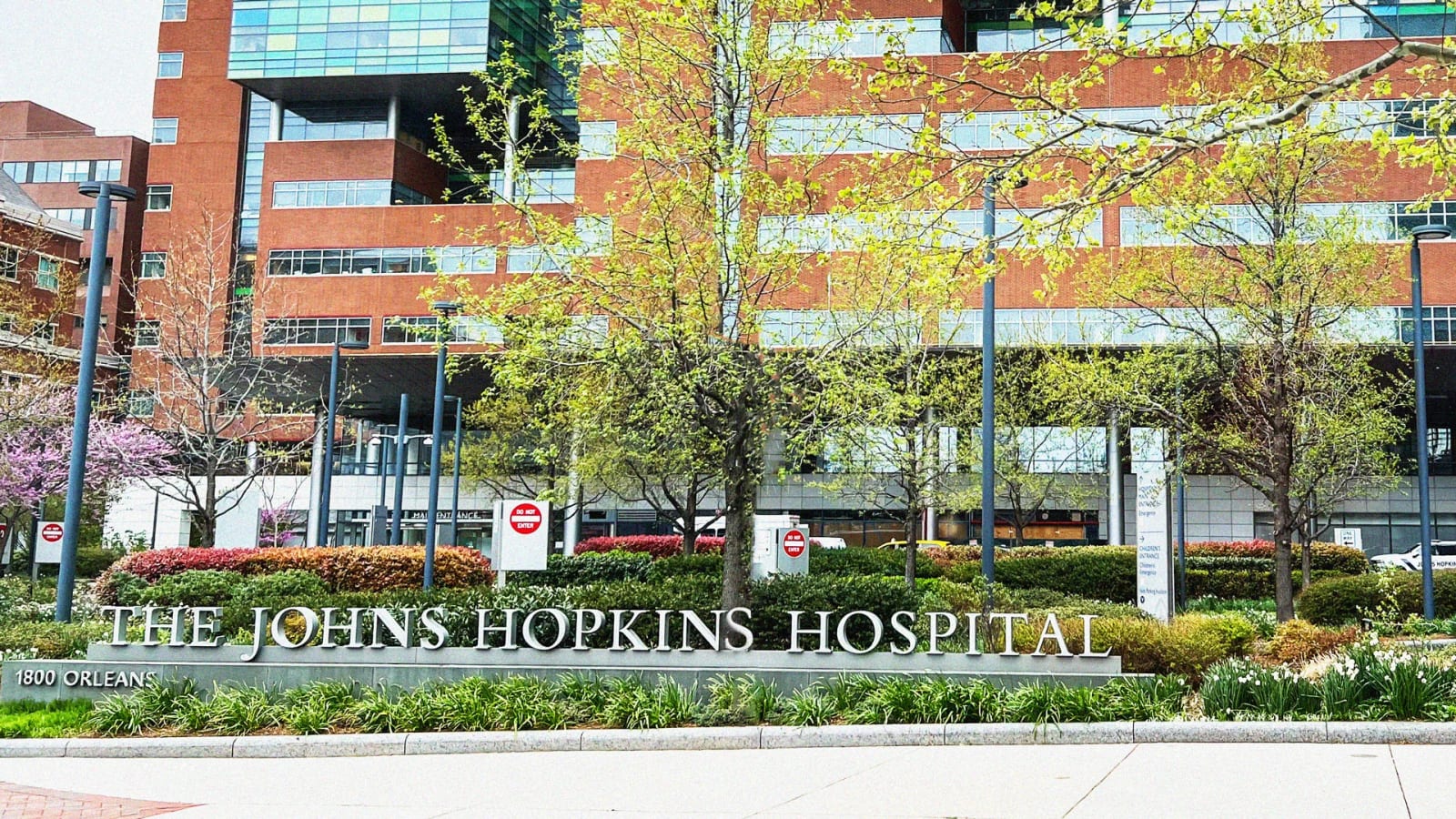
Private medical information belonging to 3,182 Johns Hopkins patients was exposed, and no outside hacker was behind it. According to Inc., the cause was a single employee's upload. One routine action by one person put sensitive health details where they should not have been.
What happened
Many people picture a data breach as a criminal breaking into a system. This case points the other way. The exposure started inside the organization, with ordinary file handling. Inc. says the same risk exists in almost every workplace that shares files, from large hospitals to small offices.
Who it affects
The patients involved are the most directly affected. But the lesson reaches further. Any business or health provider where staff upload or share files holding private customer or patient data faces the same kind of risk. If you run a team, that includes yours.
What is not known yet
The material available does not say exactly what kind of upload it was, which tools were involved, how long the information was exposed, or whether anyone misused it. It also does not say how patients are being told. Those details may come out later.
What to do
The alert above lists clear steps for business owners and for patients. The main idea is simple: know where private files go, and limit who can see them. Anyone who receives a breach notice should read it closely and keep an eye on accounts and statements for anything odd.
The takeawayA data leak does not need a hacker, so check what your staff upload and who can see it.