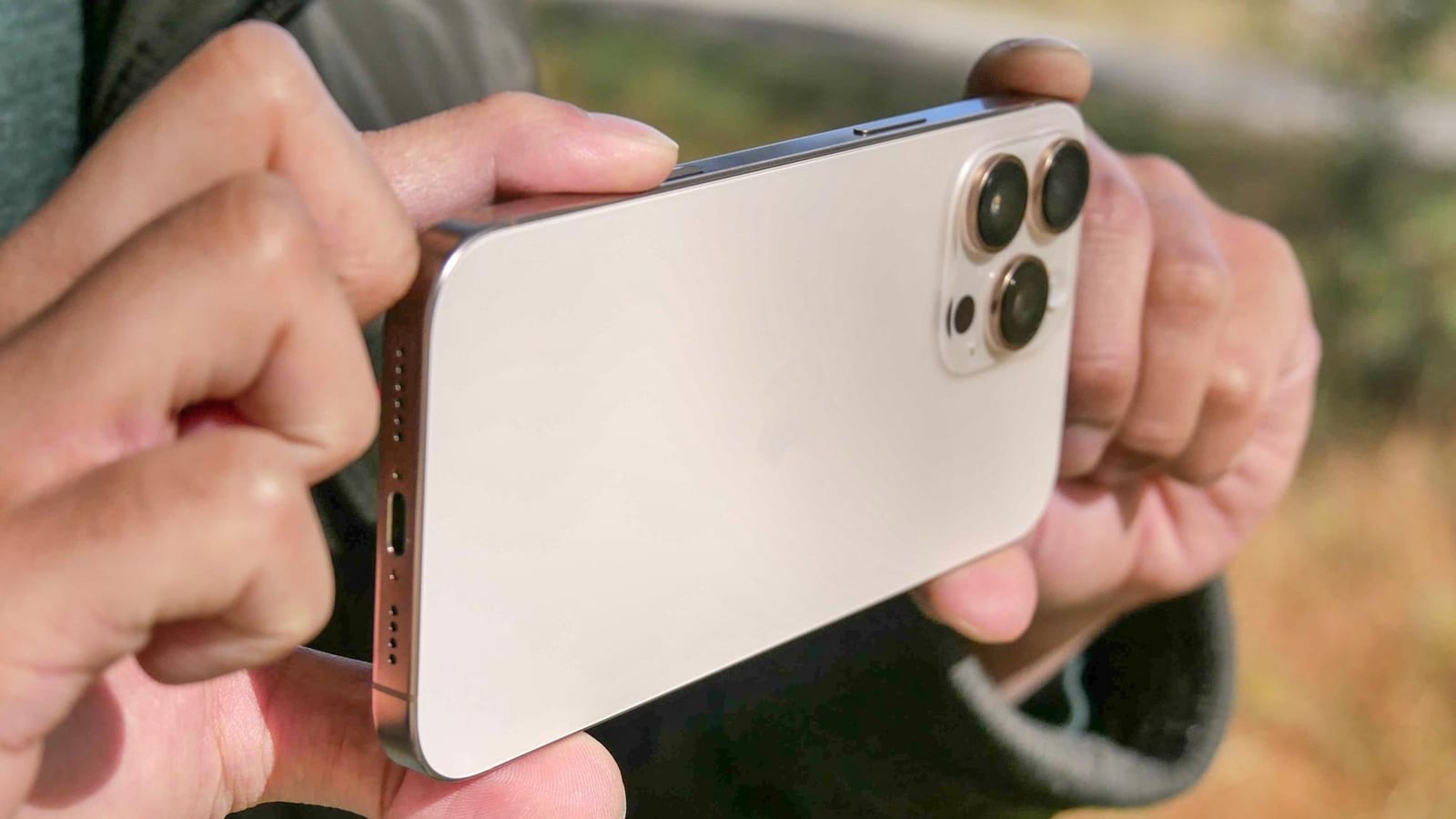
A CNET photographer carried the iPhone 18 Pro alongside Fujifilm's X-M5, a compact camera with swappable lenses, to see when a phone is enough. The verdict is mixed. The phone is easier to carry and has more lenses built in. The camera is more comfortable to shoot with and faster to adjust. For a full day of photography, the reviewer would still pick the camera.
What changed
The iPhone 18 Pro adds new tools to Photographic Styles, Apple's built-in looks that change color and shadows as you shoot, so you do not have to edit later. It can now add image grain and bloom, a soft glow around bright areas. It also gives manual control over white balance, which sets how warm or cool colors appear.
Fujifilm offers something similar. Its cameras use film-style looks called recipes. The reviewer tried warm, Kodak Gold-inspired versions on both and did not prefer one over the other.
Where the phone falls short
The biggest gap is saving your work. The iPhone cannot save a style as a preset. It can remember your last-used settings, but if you change them, you must recall the old ones yourself. That also makes sharing a look hard. Fujifilm owners trade recipes in a large community, and the recipes give finer control.
Handling is another issue. Changing exposure, white balance or shutter speed on the phone takes several taps. Cameras like the X-M5 have physical controls that change settings quickly, often without looking. A thin phone can also feel delicate to hold, and it is easy to touch the screen by accident.
Where the phone wins
Size is the phone's strongest point. It slips into a pocket and comes out fast, which suits street and travel photography with long walks. The X-M5 with a lens on will struggle to fit in a pocket. Even Fujifilm's fixed-lens X100VI fits only in a large coat pocket at best.
Lenses are the other advantage. The iPhone has focal lengths of 13mm, 24mm, 28mm, 35mm, 48mm, 100mm and 200mm in one device. Most of them use some digital cropping or upscaling, and quality is not what a pro telephoto lens delivers. A camera can use many lenses, but each one costs money and adds weight.
What to do
Both the iPhone and the X-M5 can shoot raw files, which keep more detail for editing later in apps like Adobe Lightroom, Snapseed or VSCO. The choice comes down to what you value.
- Choose the phone for light travel and quick shots.
- Choose a camera for grip, physical controls and speed.
- Expect to remember your favorite iPhone style settings yourself.
The takeawayThe iPhone 18 Pro is a strong travel camera, but a dedicated camera still handles better when you want speed and control.