A manufacturing startup called Re:Build raised $2.1 billion this week, the biggest U.S. startup funding round Crunchbase News tracked from Oct. 24 to Oct. 30, 2026. Right behind it was Kalshi, a New York predictions marketplace, which raised $1 billion. Much of the rest of the top 10 went to robots, construction machines and AI software.
What changed
Re:Build works with industrial companies and inventors from the first product design all the way to large-scale production. General Catalyst and JPMorganChase led the round. The company is 6 years old and based in Framingham, Massachusetts.
Kalshi's $1 billion round was led by Wellington Management and Sequoia Capital. It values the company at $40 billion. Kalshi says the trading on its marketplace now adds up to more than $1 trillion a year. That figure is the company's own claim.
The other big rounds
- Bedrock Robotics, $600 million: self-driving systems for heavy construction equipment, valued at $4.1 billion.
- Dren Bio, $350 million: antibody drugs for cancer and autoimmune diseases.
- Group 14 Technologies, $169 million: silicon battery materials, with a planned plant in Spain.
- Serval, $150 million: AI coding agents for business automation, valued at $3 billion.
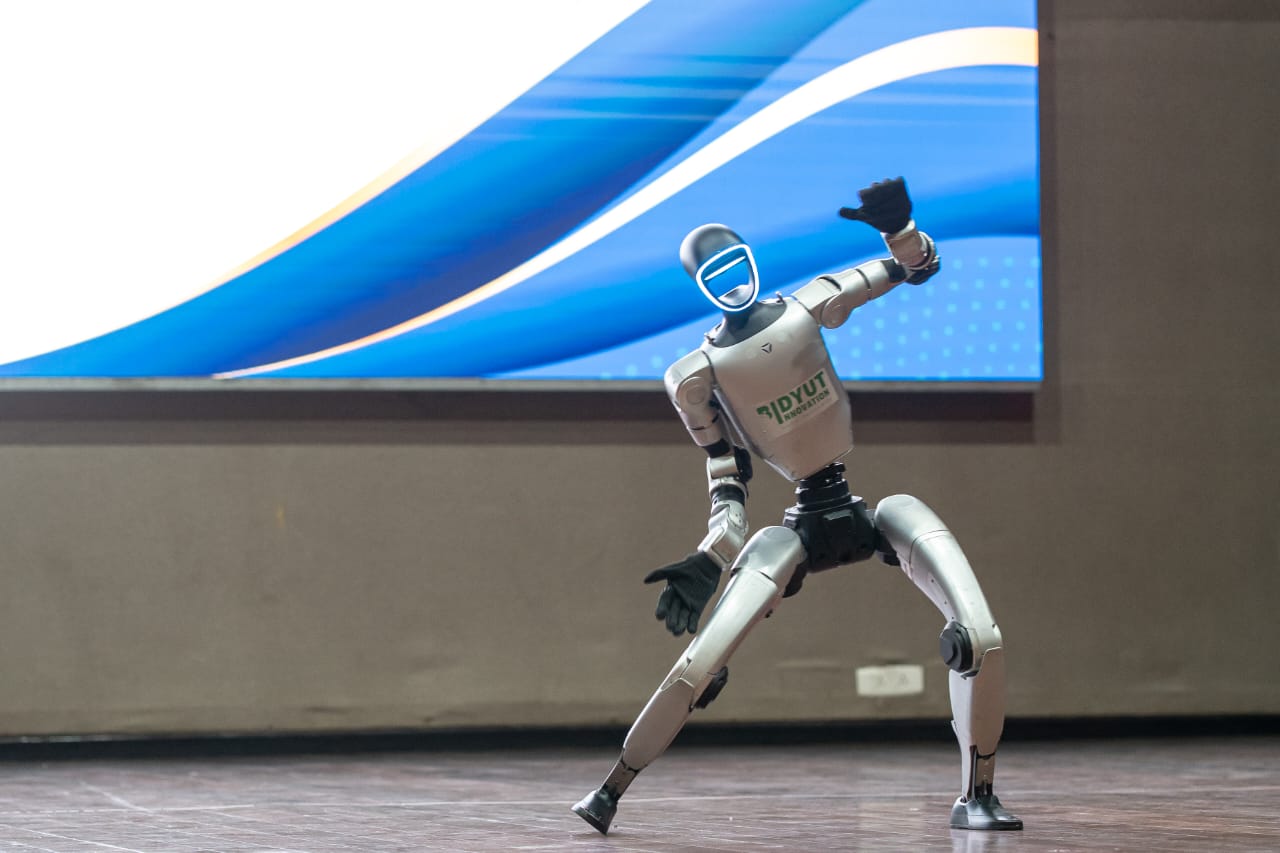
- Foundry Robotics, $100 million: autonomous factories.
Firehawk Aerospace (propulsion technology, over $150 million), General Compute (AI cloud, $100 million) and Hex Technologies (data analytics, $100 million) rounded out the list. Crunchbase's summary notes that four of the 10 rounds went to robots, factories or construction equipment.
What it means for business
Several of these companies sell to other businesses. Serval builds coding agents, which are AI programs that carry out software tasks with little human help. Hex is building an AI-based tool for analyzing data. If you buy software, expect more AI features to be pitched to you.
The factory and construction bets point to a possible shift in how physical products get made. Investors are betting that automation will spread beyond software into plants and job sites. Whether that pays off is still unproven.
What is not known
The article does not say how Re:Build plans to spend its $2.1 billion or what the company is now worth. It also does not say when any of these products will reach customers. Crunchbase notes some rounds may be reported late, so the list could shift slightly.
The takeawayInvestors are putting huge sums into factories, robots and business AI tools, so expect more of them to be pitched to your company.