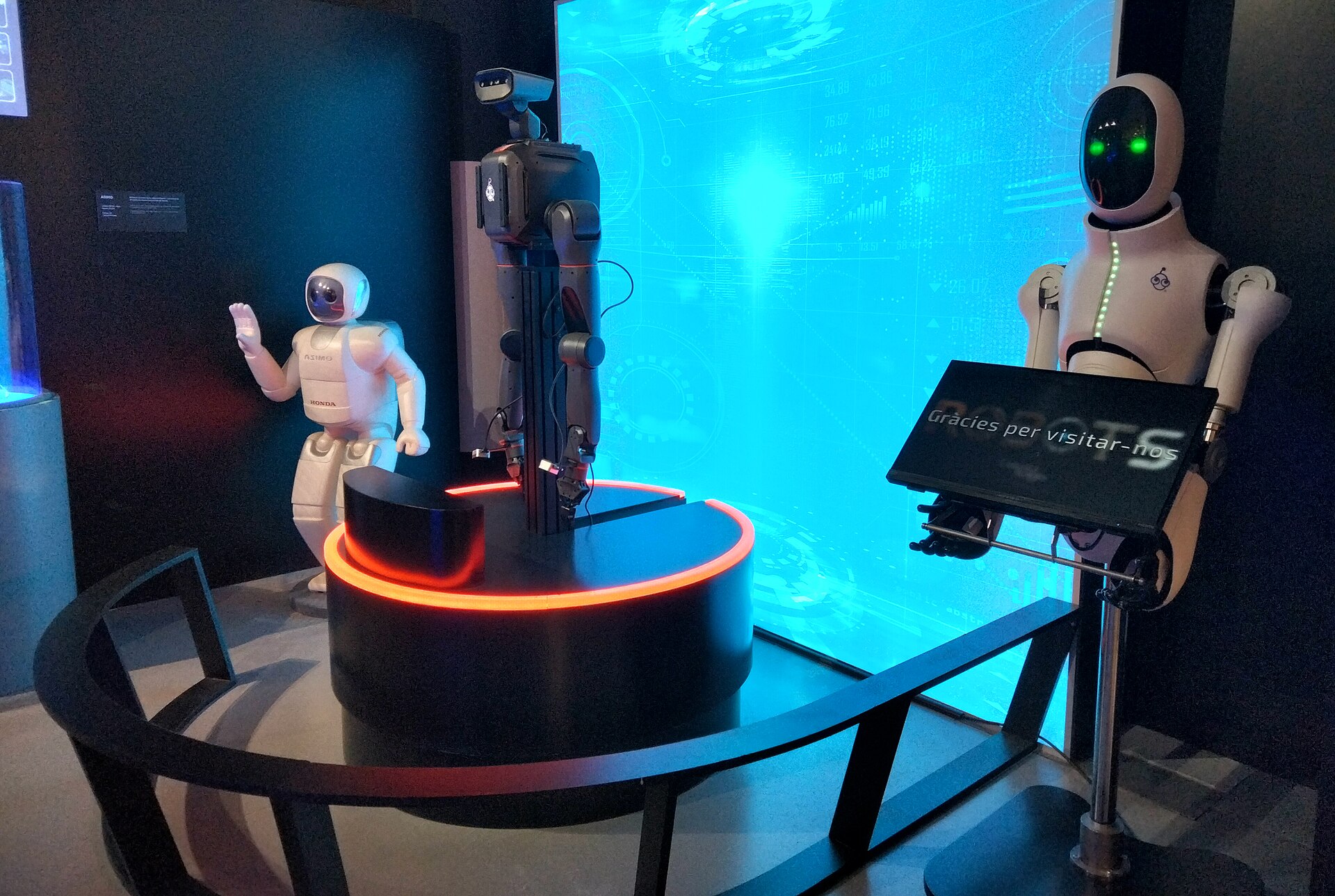
Robots used to be a reliable way for investors to lose money. Now they are one of tech's hottest bets. Robotics and "physical AI" companies raised $33.4 billion worldwide in the first half of this year, according to PitchBook data. That is already more than the $28.7 billion raised in all of last year. In 2020, the figure was just under $5 billion.
Why the money is flowing now
Business Insider points to a mix of causes: cheaper hardware, smarter AI models, labor shortages and competition with China. Advances in AI are helping robots sense their surroundings, make decisions and adapt to new tasks. That raises hopes for flexible machines instead of a new robot built for every job.
That was the old problem. Investor Sarah Guo, founder of the firm Conviction, said past robots were "brittle, single-purpose" systems built by hand for one task. She used to tell other investors that robotics was a good way to lose a lot of money over many years.
Where the big checks are going
- Anduril, a defense company, raised $5 billion in May.
- Saronic, an autonomous shipbuilder, raised $1.75 billion in March.
- Skild AI, which makes software to control robots, raised $1.4 billion in January.
- Physical Intelligence, also building AI for robots, raised about $1 billion in May.
Big names are joining in. Travis Kalanick's Atoms raised $1.7 billion in July. Meta bought a robotics startup in May. Google has invested in humanoid maker Apptronik. OpenAI has advertised robotics jobs with base pay up to $500,000 a year. In August, Andreessen Horowitz raised a $1.1 billion fund for the physical side of AI, including robotics.
The warning signs
Some investors are nervous. Startups still in research often have multibillion-dollar valuations with little revenue. Humanoid maker Figure AI was valued at $39 billion last year, yet its robots are limited to small factory pilots. Guo put it this way: "Robotics is going to happen, and a lot of money will still be lost." Veterans also whisper about "hardware tourists," investors drawn by AI hype.
What it could mean for everyday life
Software mostly works on screens. Robotics companies are aiming at physical labor, from factories and construction sites to robots in the home. Nvidia CEO Jensen Huang has described it as a chance to bring technology to a $50 trillion industry. Berkeley robotics professor Ken Goldberg said that in his 45 years in the field, this is the most funding and interest he has seen.
How soon robots become part of daily life, and what still stands in their way, is not settled. Business Insider says its new Robonomics series will look at that question.
The takeawayRecord money is flowing into robots, but many of the companies are still unproven, so expect real change to come more slowly than the funding suggests.