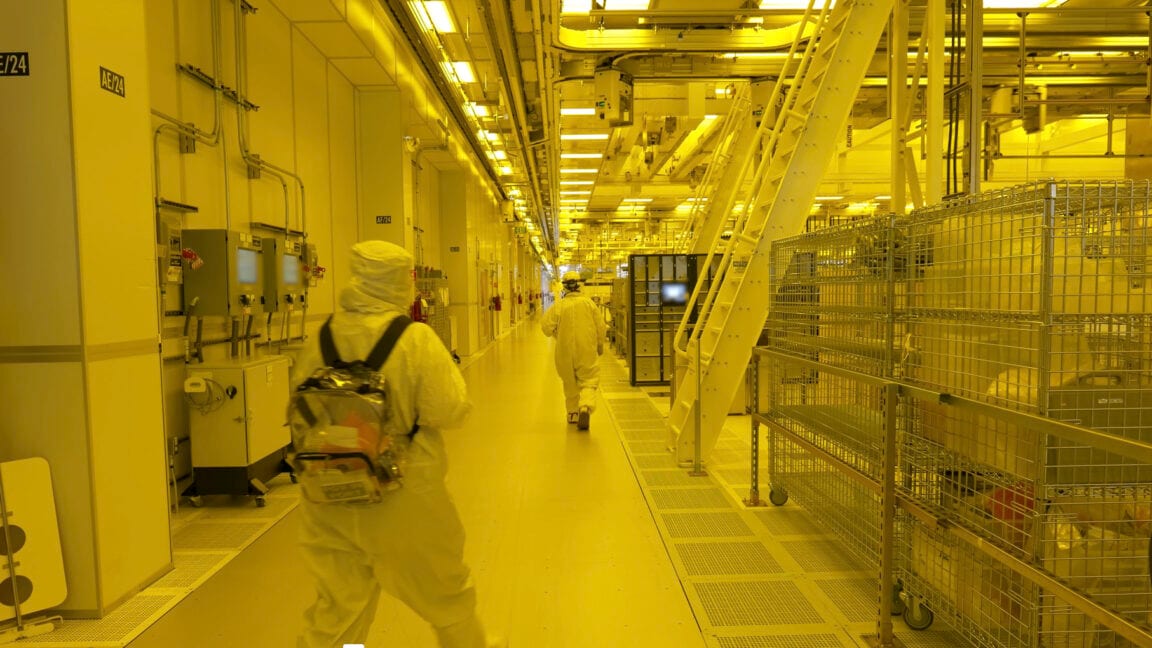
Intel has a one-year pass to keep using foreign-made robots in its US chip factories. The Federal Communications Commission (FCC) published the order on October 22. Intel asked on October 16, so the approval came within a week. The odd part is that Intel itself said it was unclear whether its robots are even covered by the new ban.
What happened
The robots are automated guided vehicles. They follow tracks or set paths and often need a human to keep an eye on them. Their job is to haul materials and items around factory floors and warehouses. Intel called them critical to its US chip production and said no US-made options meet its needs. The pass also lets Intel make certain hardware, software and firmware changes so it can keep the machines running.
Why the rules are fuzzy
The FCC ban mainly targets new models of mobile robots, such as humanoid robots and robot vacuums. Robots already approved for sale in the US can still be imported. But the rules seem to limit major changes to devices that were already approved. That is where a factory owner could get stuck, because repairs and upgrades may count as changes.
Intel filed its request just in case. Bloomberg reported that such vehicles are typically made by Japanese companies like Murata Machinery and Daifuku. The exact models Intel uses appear only in a confidential appendix, so the public cannot see them.
Who it affects
Intel has a strong case for quick approval. It matters to the Trump administration's plans to bring chip making back to the US, and the US government holds an $8.9 billion stake in the company. A smaller business may not get the same speed.
The wider robot industry is still sorting out the ban. China is the world's leading supplier of robots and robot parts. One US distributor has moved from importing Chinese humanoid robots to opening a US factory. Market research firm IDC estimates the rule could cut US revenue from deploying humanoid robots by 58 percent by 2030, compared with expectations before the restrictions.
What happens next
The pass lasts one year. The material does not say what happens after that, or whether other companies will get similar relief. It also does not settle whether Intel's vehicles fall under the ban at all. Those questions remain open.
- Check whether any robotic equipment you use is foreign-made.
- Ask the seller if a model was already approved for US sale.
- Ask whether planned repairs or software updates count as major changes.
The takeawayIf your business relies on imported robots, confirm before buying or repairing that the equipment and any changes to it are covered under the FCC rules.