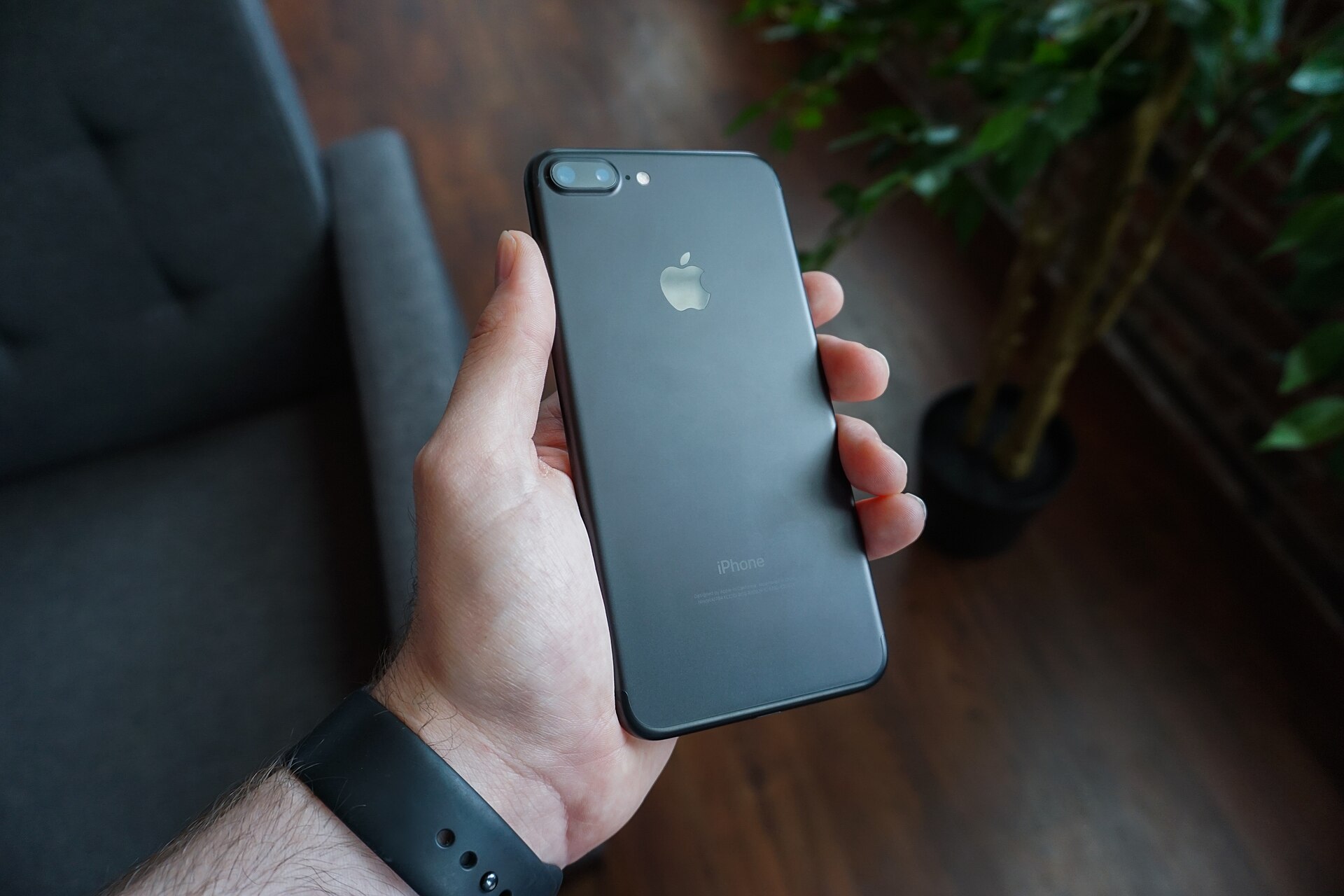
India now makes about one in four iPhones sold around the world. That is a big shift for a country that is trying to build a major electronics industry. But a Bloomberg Opinion columnist says the price is climbing, and taxpayers are the ones paying it.
What changed
Most of the parts inside those iPhones still come from other countries. So even when a phone is put together in India, the country has to import a lot of what goes into it. Columnist Andy Mukherjee argues that the gains from this manufacturing may not justify the growing subsidies. Subsidies are public money paid to companies to encourage them to build factories.
Why the cost matters
Governments often use subsidies to win factories and jobs. The idea is to copy what China did, where phone making grew into a huge industry. Mukherjee's point is that repeating that success in India may need more and more public money. Whether the payoff is worth it is the question he raises.
Who it affects
For iPhone buyers, where a phone is made can affect its price and how easily it is supplied. For taxpayers in India, the subsidy bill is the concern. The story also shows how governments everywhere spend public money to attract manufacturers.
What is not known yet
The material available does not give the size of the subsidies, the exact import figures or any response from Apple or the Indian government. It is also unclear how this will change iPhone prices. The one-in-four figure and the columnist's view are the main points confirmed so far.
The takeawayIndia makes about a quarter of iPhones, but a columnist warns the growing taxpayer subsidies behind that success may not be worth the gains.