Act this weekWhat happenedHackers took over control systems at three cold stores run by contractors for France's blood service and raised temperature and defrosting settings.
Who is affectedHospitals and patients relying on French blood products, plus supermarkets and retailers across Europe with internet-connected fridges and freezers.
What to do- 1Ask your refrigeration supplier which of your units can be controlled over the internet.
- 2Install software updates for cooling and monitoring systems as soon as they are available.
- 3Change default passwords and limit who can log in remotely.
- 4Keep working temperature alarms and a plan to move stock if they go off.
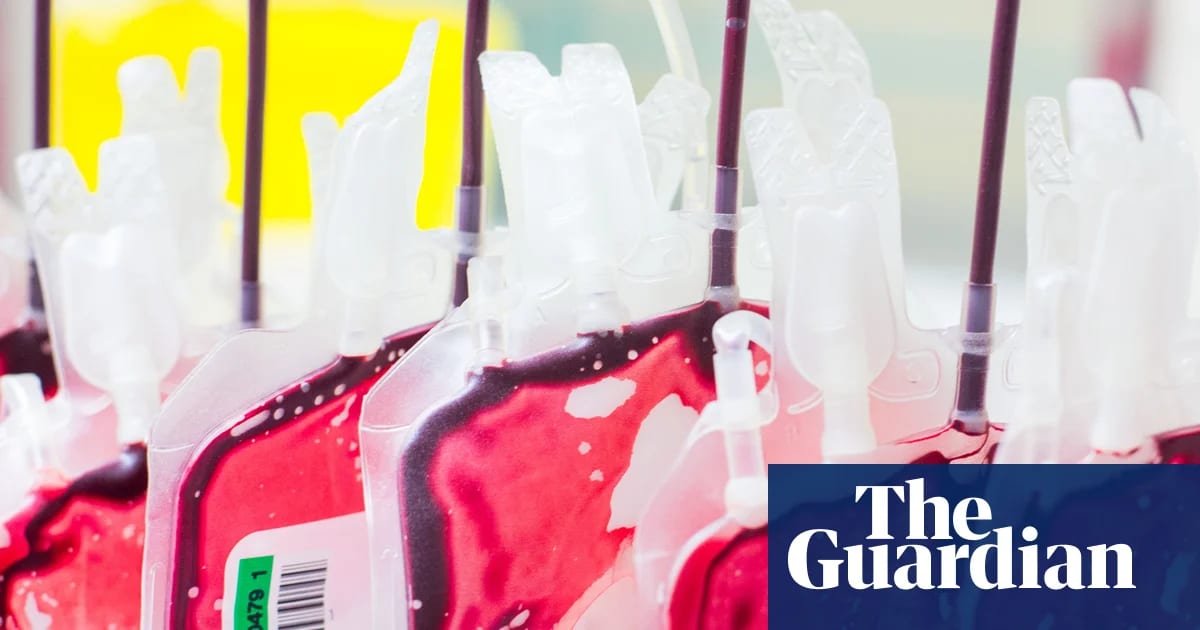
Hackers got into the control systems of three cold stores that hold blood products for France's national blood service and pushed temperature and defrosting settings to "very high levels." The service, known as EFS, says its alarms let technicians step in before any products were damaged. The attack happened overnight on Monday.
What happened
EFS collects, tests and distributes blood, plasma and platelets to more than 1,900 hospitals and supports more than a million patients a year. It says it was not directly targeted. The three sites are run by its contractors. Stock in the affected rooms, including plasma bags for transfusions and for making medicines, was moved to other sites.
The same week, supermarket fridges and freezers in almost a dozen European countries heated up to as much as 50C (122F). That caused millions of euros of food damage. Belgium, Estonia, Ireland, Finland, Luxembourg, the Netherlands and Sweden reported problems on Monday. Italy, Germany, Romania and the UK followed on Tuesday.
Why it matters
Many commercial cooling systems can now be watched and controlled over the internet. That is handy for managers. It also gives hackers a way in if the software is not kept up to date. Last month, hackers took over cooling units in as many as 700 French supermarkets. In early August, fridges failed at commissaries on at least six US military bases, and the Pentagon is investigating a suspected hack.
This is a business risk, not just a tech problem. Spoiled food, lost medicine and emptied shelves cost real money, and the blood service case shows the stakes can be far higher.
Who can relax
Patients do not need to worry based on what EFS has said. Its alarms worked, and the products in the affected rooms were moved. The reports describe commercial refrigeration, not home appliances.
What to do
If you run a shop, restaurant, clinic, pharmacy or any business that stores food or medicine, the steps in the alert box above are a good place to start. Most come down to knowing what can be reached remotely and keeping it locked down.
What happens next
No one has claimed responsibility, and no motive is known. EU agencies are holding urgent talks with national authorities on a joint response. An EU spokesperson said these are "not isolated incidents." Some authorities and experts fear state-backed attacks. One security expert at Sophos said the likeliest explanations were a state showing off its abilities or a lone hacker. Nothing has been confirmed.
The takeawayIf your business keeps food or medicine cold, find out which units can be controlled online and make sure they are updated and locked down.