Hackers put pornographic videos on digital billboards in Egypt, Malaysia and Brazil on Thursday. Screens in Iraq and China may have been hit too. A group on Telegram claimed credit and said the job was so simple that "anyone with two brain cells" could have done it.
What happened
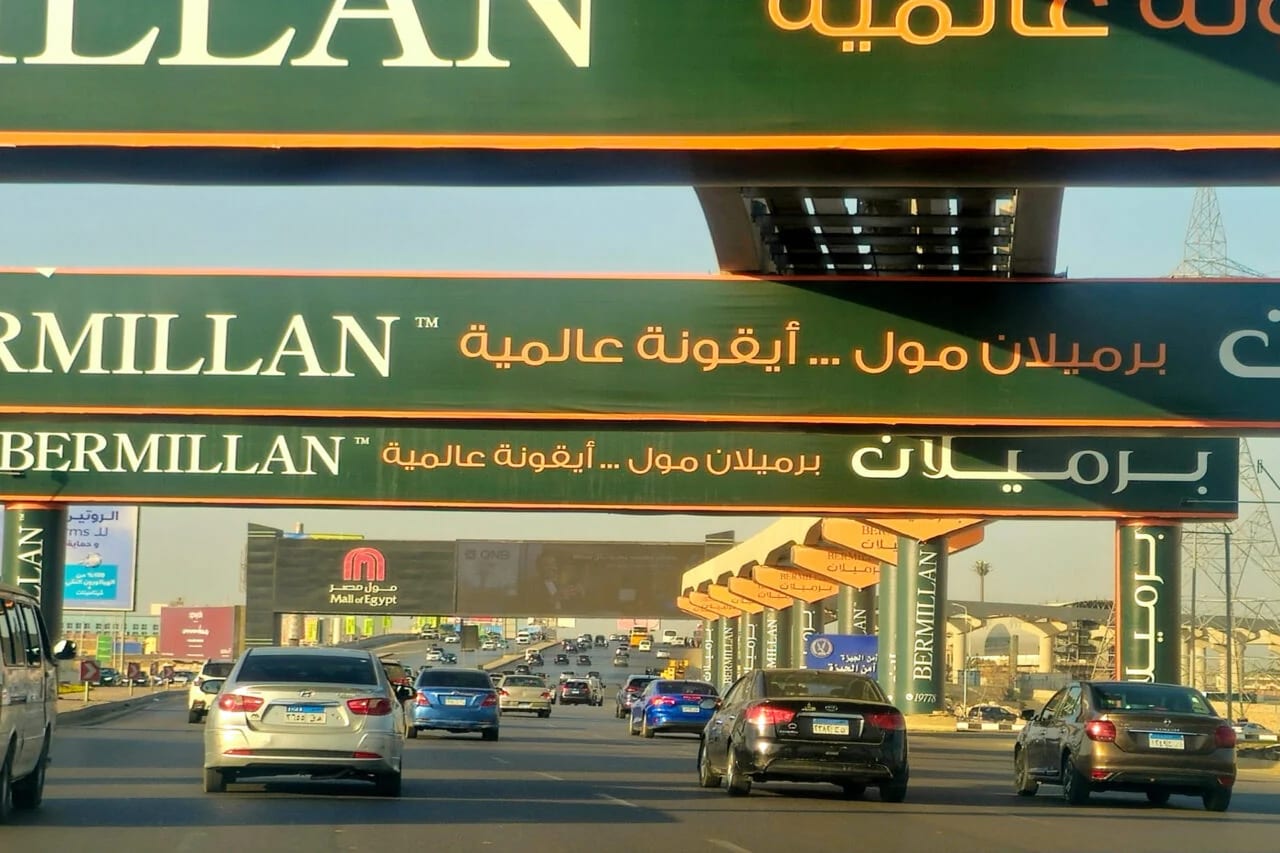
In Giza, Egypt, a large screen above the 26th of July Axis showed explicit video. The road is one of the busiest highways linking Cairo to its western suburbs. Drivers stopped to film it. Egypt's Interior Ministry said the screen belonged to local firm Al Arabia United, which had a contract with an unnamed international company. The ministry said that company's website was attacked, so the footage also aired in several other countries at once. It said legal proceedings had begun and broadcasts were suspended.
In Kluang, Malaysia, the local council confirmed several public LED screens were hacked, and it shut them all down. Police opened investigations after a 42-year-old man reported getting screenshots and videos on WhatsApp. In Campo Maior, Brazil, an LED panel showed explicit content. The company running it, Ferreira & Ferreira Publicidade e Comunicação, confirmed a cyberattack, shut off the equipment, filed a police report and apologized. Iraq and China are less certain, with thinner confirmation.
How the group says it did it
The group, which calls itself Leakers$, told The Cairo Report it did not go after billboards one by one. It says it used a flaw in software that sends content to LED displays. Its members say a random automated scan of about two hours turned up thousands of exposed systems. Those systems were reachable through web pages with no basic protection. These are the group's own claims. It says it wants no ransom or donations and only wants to expose weak security.
Not a new problem
Billboard hacks have happened before, including in Brisbane in 2022, Jakarta in 2016 and Baghdad in August 2023. In 2019, researcher Drew Green got into a signage system because its default administrator password had never been changed. An industry group, the Out of Home Advertising Association of America, warned in its 2024 guidelines: "Do not rely on default passwords from display manufacturers."
What to do
The same weak spots apply to any connected screen or device, not only billboards. Think of menu boards, lobby displays and cameras.
- Change the default password on every connected screen or device.
- Check that its login page is not open to the public internet.
- Ask any outside company that runs your screens how it protects them.
The takeawayChange the factory password on any connected screen or device, and make sure its login page is not open to the public internet.