Act this weekWhat happenedAttackers used two flaws in AhsayCBS backup software, before fixes existed, to take over servers and plant hidden access tools and a custom backdoor.
Who is affectedBusinesses and IT providers running AhsayCBS backup servers, plus those running Veeam backup servers on the same network.
What to do- 1Install the October 2026 AhsayCBS updates from Ahsay right away.
- 2Check backup servers for unknown programs, scheduled tasks and remote access tools like AnyDesk, Atera or Splashtop that nobody approved.
- 3Look for a program posing as Microsoft Edge and for odd changes to Microsoft Defender exclusions.
- 4Change passwords stored in your backup software, especially for Veeam, if a server may have been exposed.
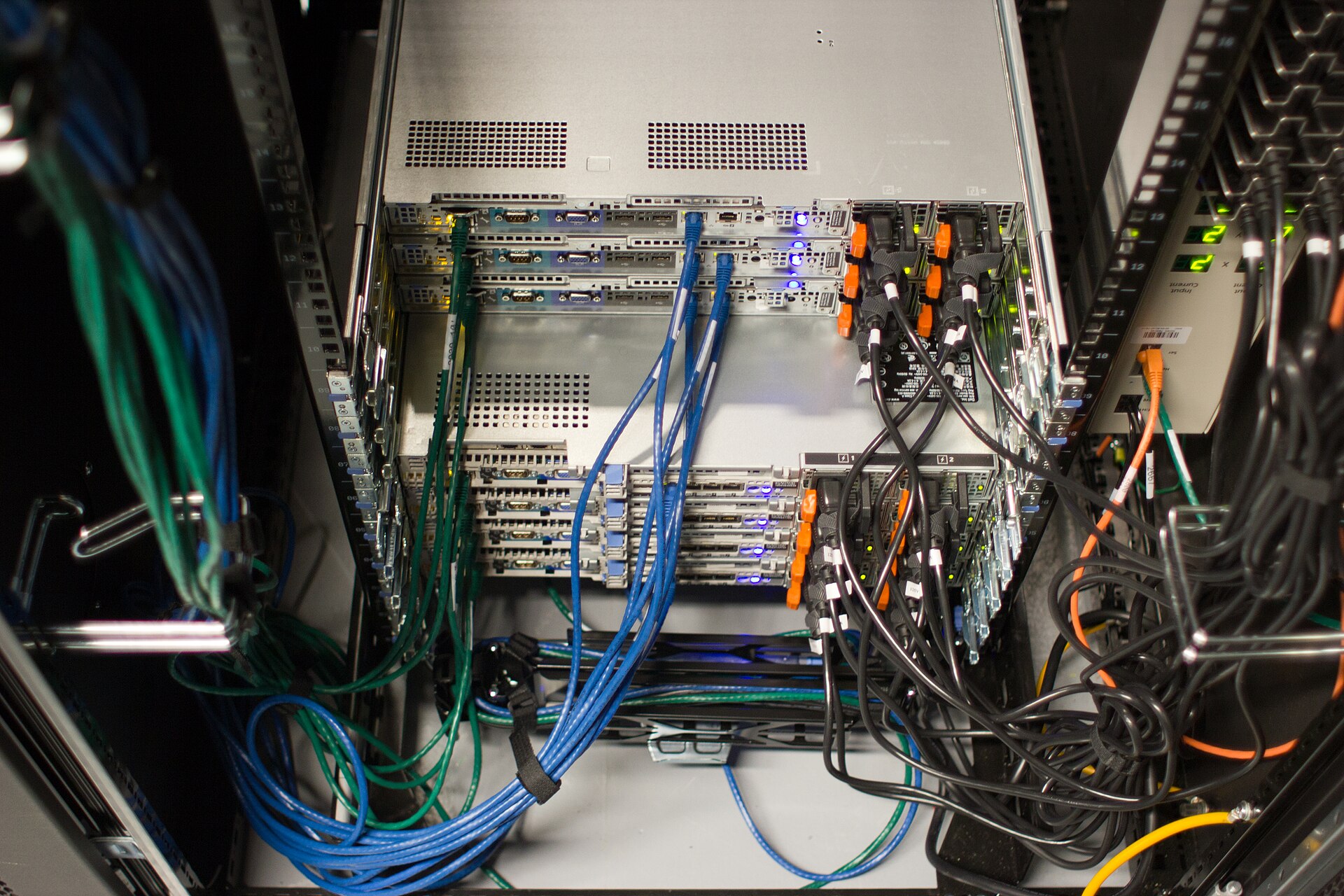
Attackers broke into company backup servers by using two security flaws in AhsayCBS, a backup management program, and left behind hidden access tools and a custom backdoor. Security firm Huntress saw the attacks in early October 2026. Ahsay released fixes in mid-October. Researchers believe the flaws were used as zero-days, meaning attackers exploited them before any fix was available.
What happened
The two flaws are tracked as CVE-2026-105133 and CVE-2026-105134. Used together, they let an attacker skip the login step and run commands on the server. At first, Huntress saw a smash-and-grab pattern: web shells (small files that give an attacker remote control through a web page) and cryptocurrency miners, which use a computer's power to earn coins for someone else.
Why this was more than a miner
Huntress says the intrusion was far larger and more patient. The operator planted web shells in several places and ran two different miners. One miner posed as Microsoft Edge. The other, called kvm-agent.exe, restarted every minute through a scheduled task. The attacker also set up tunneling tools and installed a custom implant, all on servers whose job is to hold backups.
- Five families of web shells, one disguised as an image preview service
- Changes to Microsoft Defender exclusions, which tell it what not to scan
- Tunneling tools GOST and Chisel
- Real remote access programs: AnyDesk, Atera and Splashtop
The backdoor and the Veeam link
The custom backdoor is a Python program called main.py. It is built to run only on the machine it was placed on, so it will not work inside a security researcher's test environment. If it runs, it loads code in memory and contacts a remote control server. On a nearby Veeam backup server, Huntress also saw a command consistent with stealing stored credentials. Huntress cannot say how many were taken.
Who it affects
The risk falls on businesses and IT providers running AhsayCBS, and on anyone with a Veeam backup server in the same environment. Backup software often stores logins for other systems, so a break-in can open doors well beyond the backups. Huntress said the pairing of the two suggested the attacker was after backup infrastructure on purpose. Organizations that do not use AhsayCBS are not in the path of this attack as described.
What to do
Patching is the first move, but it does not remove anything already planted. The alert above lists the updates, the signs to look for and the passwords to change.
What happens next
Still unknown is who is behind the attacks and how many organizations were hit. Huntress also does not know how many Veeam credentials were taken. Teams running either product should treat any server that was exposed in October as possibly compromised until they have checked it.
The takeawayIf you run AhsayCBS, install the October 2026 updates and check the server for planted tools, since patching alone will not remove them.