Act this weekWhat happenedSuspected hackers remotely changed the temperatures of fridges and freezers in supermarkets across Belgium, Sweden, Luxembourg and Estonia.
Who is affectedSupermarket chains such as ICA Kvantum, Coop and Ahold Delhaize, and any business with internet-connected cooling equipment.
What to do- 1Ask your cooling equipment vendor how remote access to your units is secured.
- 2Change default passwords and turn on two-step login for any remote control or alert system.
- 3Install a separate battery-powered thermometer with an alarm that does not use the internet.
- 4Check temperatures by hand each day and write down a plan for moving stock if units fail.
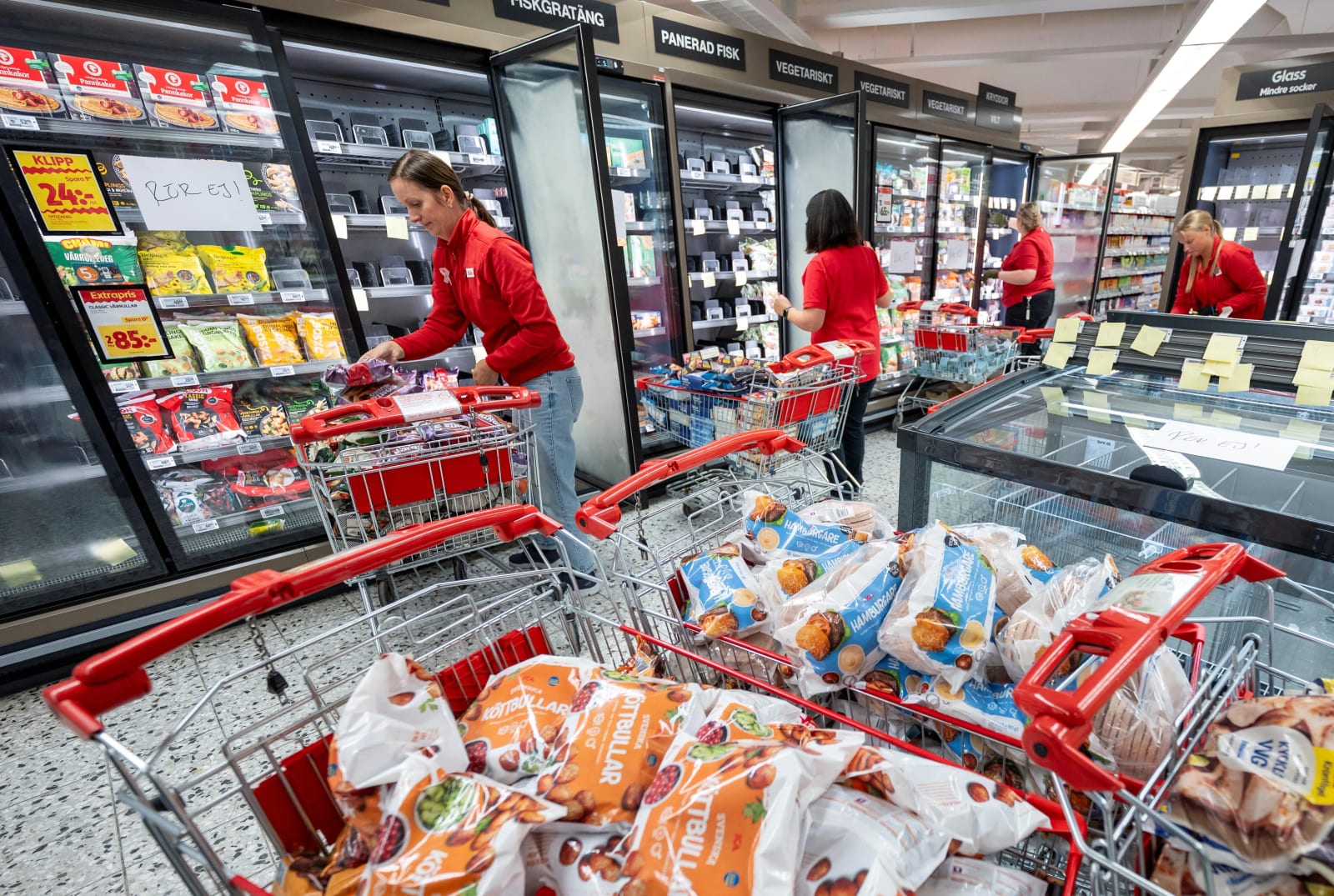
Supermarkets in Belgium, Sweden, Luxembourg and Estonia reported sudden changes in fridge and freezer temperatures, in what looks like another wave of cyberattacks. At one Swedish ICA Kvantum store, freezers were remotely heated to 50°C (122°F).
What happened
The ICA Kvantum store said on Facebook that its cooling units were hacked overnight. Coop, another Swedish chain, said "unauthorized actors were able to access and tamper with the cooling systems at a small fraction of our stores." Dutch retailer Ahold Delhaize blamed an "IT incident" for changed temperatures in dozens of stores in Belgium and Luxembourg.
Why it matters
Many modern fridges and freezers are connected to the internet so technicians can fix them remotely and send alerts when something fails. That same connection can become a way in if it is poorly protected. Last month, hundreds of French supermarket fridges were apparently hit, and the spoiled food was estimated to be worth millions of euros. Freezer failures at US military bases are also suspected to be cyberattacks.
Who should act
Any business with internet-connected cooling equipment should take this seriously, from grocers to restaurants. The reports describe store equipment. Nothing in them mentions home fridges. The steps in the alert box above cover what to do.
What is not known yet
The full scale of the incident has not been confirmed. The reports reviewed here do not say who is behind the attacks or exactly how they got into the systems.
The takeawayIf your business uses internet-connected fridges or freezers, find out how remote access is secured before someone else tests it.