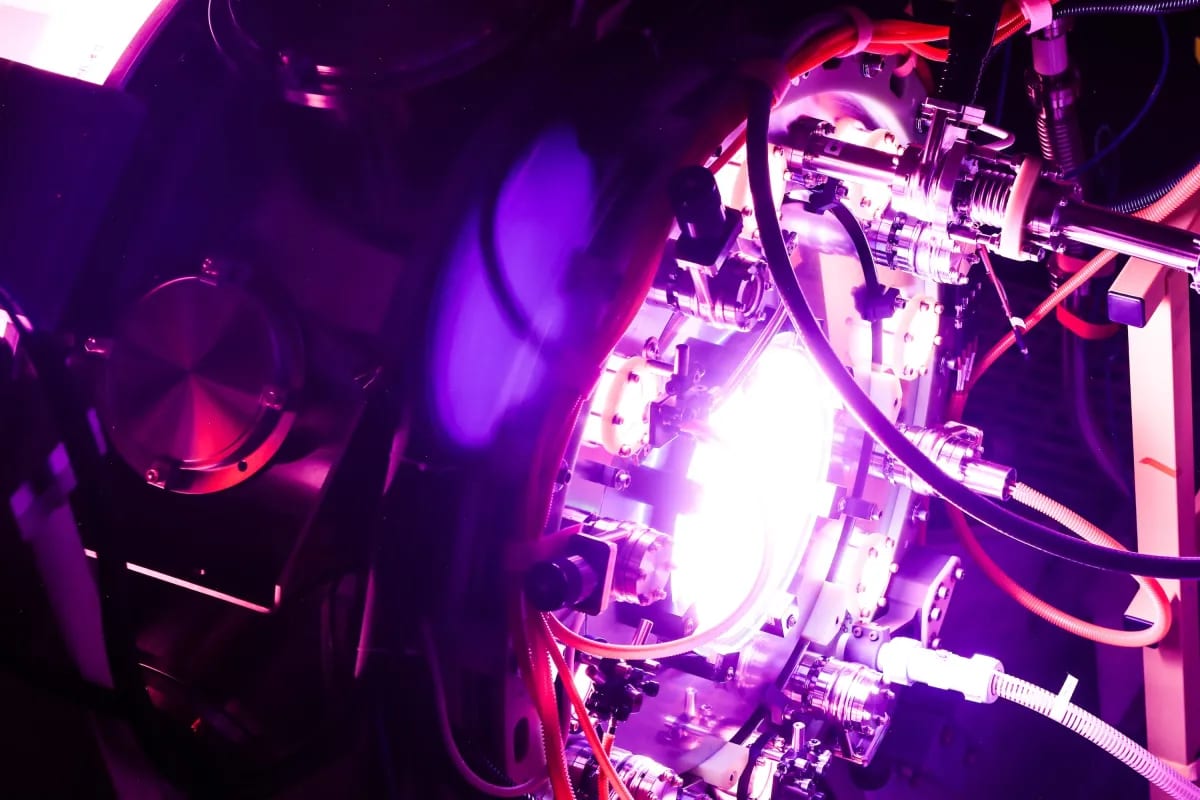
Helion, a fusion energy startup, has received $225 million to make a special kind of computer chip for its power plants. The U.S. government awarded $175 million, and a private investor added $50 million. The company says better chips could one day double how much electricity a fusion plant produces. But the chips will not be ready for its first plant.
Why chips matter to fusion
Fusion power plants move huge amounts of electricity through chips called power electronics. Today, those devices lose about 5% to 10% of the electricity that flows through them. That sounds small, but losses stack up in a complex machine. CEO David Kirtley told TechCrunch that cutting the loss in half would mean twice the power output of the fusion system.
Helion's design depends on this. Instead of boiling water to spin a turbine, it captures electricity directly from the fusion reaction. Kirtley compared it to how a hybrid car or EV recharges its battery when it slows down. Helion says this approach should let future reactors produce more power than they use, which any fusion plant must do to make business sense.
Where the money goes
The three-year award comes from the Department of Commerce under the CHIPS Act, a Biden-era law meant to boost U.S. chip research and manufacturing. Helion will build a production line in Washington State. It would be the first in the U.S. to make this class of chip, which is also used in manufacturing, wastewater treatment, medicine and defense. Kirtley said no U.S. manufacturer does it today.
- More than $100 million for chip and packaging research in Washington State
- About $80 million for research in Vermont with GlobalFoundries
- The $50 million private investor was not named
Helion has now raised more than $3.2 billion. That makes it the second-best-funded fusion startup, according to TechCrunch.
What this does not change
Helion is racing to finish its first plant, Orion, to meet a 2028 deadline to supply Microsoft with electricity from the grid. Kirtley acknowledged that the research funded by this award will not make it into Orion in time. Federal contracts can take months to negotiate. He said the work should improve later plants and help them compete in tough electricity markets.
Beyond fusion
Advanced power chips could matter elsewhere too. Electric vehicles are their broadest use today, and consumer electronics could benefit, though those devices need less power. Defense is another likely user, including energy weapons. A Commerce Department official said the award will help deliver power to defense, grid transmission and advanced energy generation. Kirtley said Helion's main focus remains putting power on the grid.
What happens next
The near-term test is Orion and its 2028 target. Any savings on electricity bills from cheaper, cleaner fusion power would come later, if the chips and the plants work as hoped.
The takeawayHelion's new chip funding is a long-term bet on cheaper fusion power, and it will not help the first plant due in 2028.