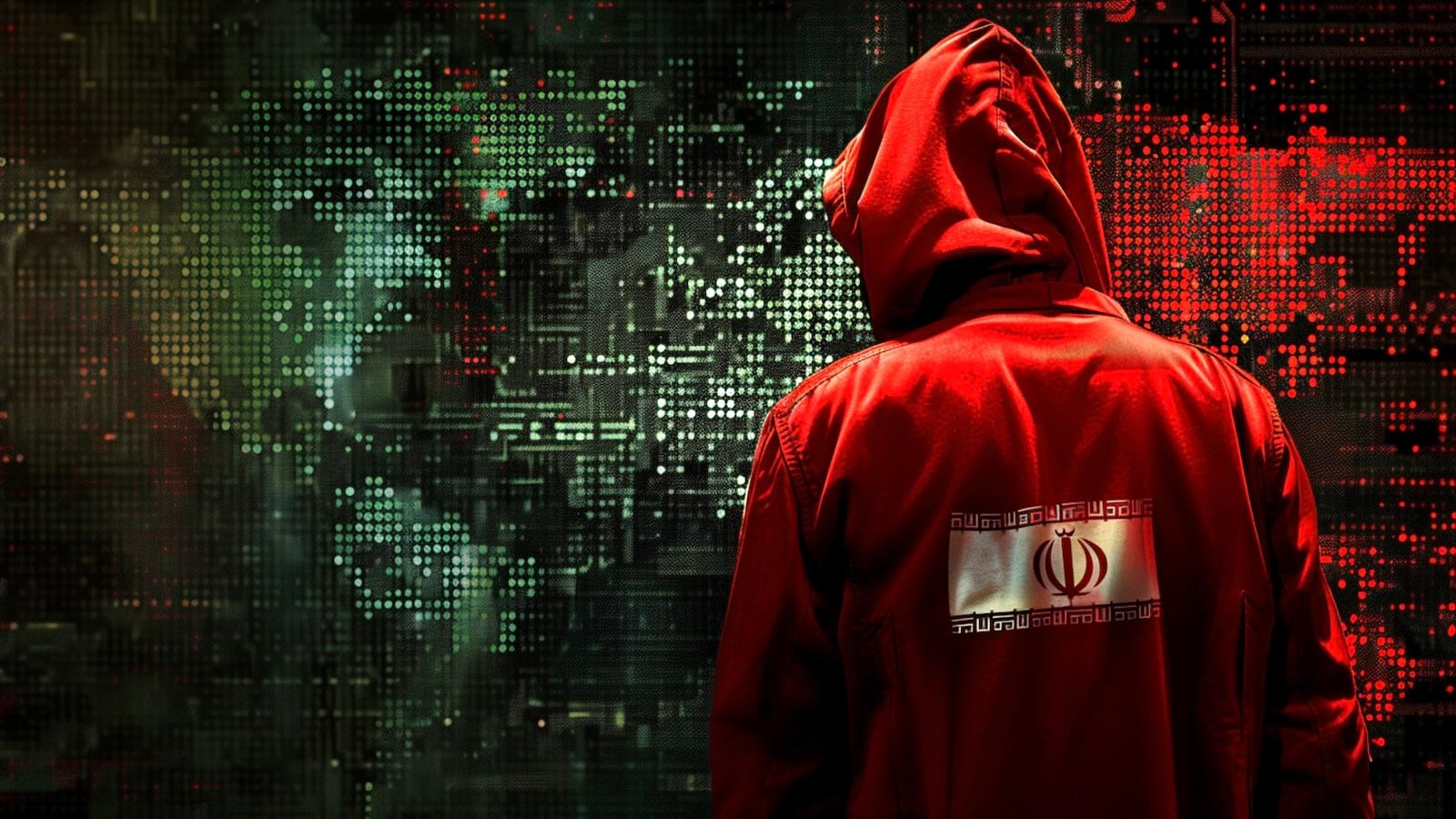
France has blamed Iranian state-backed hackers for October attacks that wrecked refrigeration at about 700 supermarkets and other retail locations. The hackers did not need to touch a single freezer. They changed settings remotely, food spoiled, and at least 15 fires broke out.
What happened
The attacks hit overnight on October 11 to 12. Hackers broke into the industrial controllers that run refrigeration and changed the defrost settings to high temperatures. That undid the cooling meant to keep food safe. French authorities say the damage included tens of millions of euros in lost food and significant material damage. An earlier estimate put the number of supermarkets at 250 to 350. Officials now say about 700 locations were targeted.
Who was hit
A technical report from France's CERT-FR, a government cyber response team, lists several well-known grocery names.
- Casino, Leclerc, Coopérative U, Metro, Carrefour and Intermarché
- Smaller butcher shops
- A slaughterhouse
- Cooperative food-processing facilities
Investigators also found attacks on Schneider Electric industrial equipment at small hydroelectric installations in the same period. They tied those to the same campaign and say the effects were moderate.
Why France points at Iran
France's Cyber Crisis Coordination Center, which includes its cybersecurity agency, military cyber command and intelligence agencies, blames a unit called Shahid Kaveh. France says it is affiliated with the cyber center of Iran's Islamic Revolutionary Guard Corps. CERT-FR says the unit works under several online activist-style names, including CyberAveng3rs and Soldiers of Solomon. A propaganda outlet tied to the unit relayed the refrigeration attack by October 13. CERT-FR also says the unit claimed sabotage against Israeli and U.S. interests in March and April 2026, including Israeli refrigeration equipment.
What came after
A second wave of refrigeration attacks was reported in November, affecting more than 115 stores across six European countries. France's national blood service also reported a similar incident that changed temperature and defrost settings at three sites storing blood products. France has blamed Iran only for the October attacks, not these later ones. Last week the FBI and CISA warned of ongoing attacks on industrial refrigeration and cold-chain monitoring systems worldwide.
What happens next
France plans to summon Iran's ambassador and propose new European Union sanctions on Iranian individuals and organizations involved in malicious cyber operations.
What to do
Any business that keeps food or medicine cold relies on controls that may be reachable online. Ask whoever installed or maintains them who can connect remotely, and whether that access is needed.
The takeawayIf your business keeps food or medicine cold, find out who can reach your refrigeration controls from the internet.