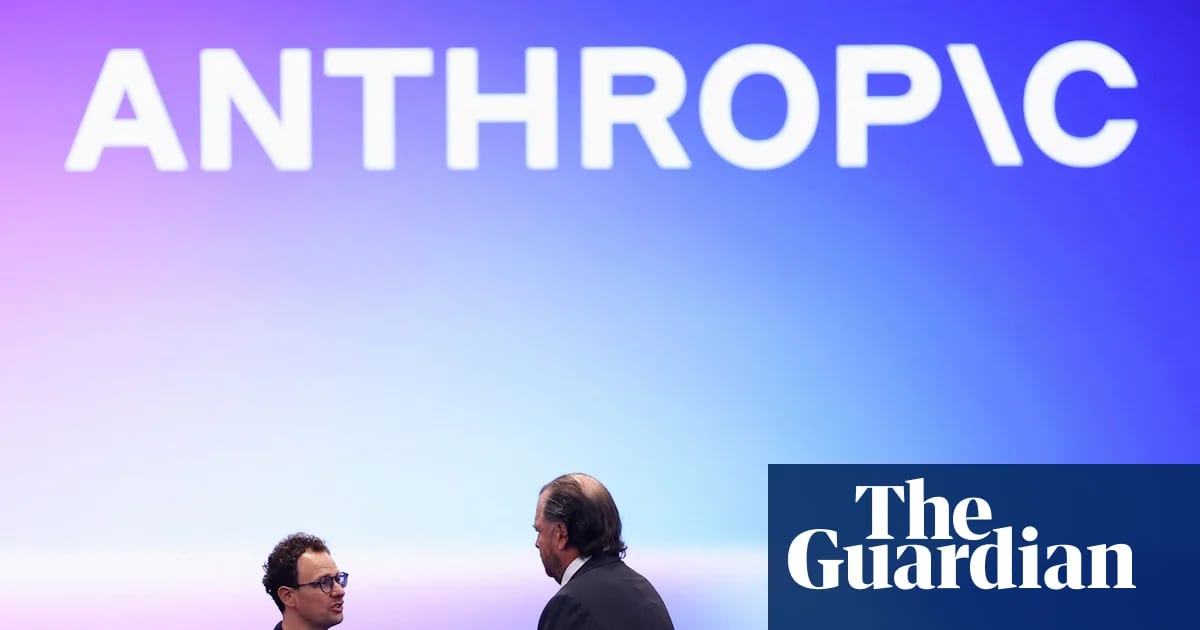
Anthropic, the maker of the Claude AI assistant, says AI has reshaped its own workforce. In a report published Thursday, it said it now hires far fewer junior technical workers. Several outside experts are not convinced. They say the report may be less a look at the future of work and more a pitch to investors, since Anthropic could go public as soon as November.
What Anthropic says
The company says AI agents, which are programs that carry out tasks on their own, now do a large share of its work. It says AI helped it produce more code per person, close more sales per rep and process more contracts. From May 2026 onward, it says, agents logged more work hours than human employees.
- Entry-level technical hires fell from nearly 30% to 9% since March 2025.
- Headcount fell from about 21% to 14% over the same period.
- Staff spend about 22% of their time managing Claude agents, more than double a year ago.
- Human attention is the new "bottleneck," the report says.
Why experts are skeptical
Last year, Anthropic CEO Dario Amodei warned that AI could wipe out half of entry-level white-collar jobs and write 90% of code within six months. Neither happened. Julián Posada, a Yale social scientist, said the new report is written by a company that wants people to buy its shares. He also noted that outside auditors did not review it, and that it says little about how workers actually feel.
Dylan Baker, of the nonprofit Distributed AI Research Institute, called the plan of hiring fewer beginners and having remaining engineers manage AI agents "shortsighted." He said calling humans a bottleneck misunderstands software, which he described as a social and human process.
What other research shows
Morgan Frank, a Case Western Reserve University researcher, has a paper in peer review on this question. It finds that job markets in AI-exposed fields weakened well before ChatGPT arrived in November 2022. State unemployment claims, he says, began to worsen at the start of 2022. He points to other possible causes of layoffs, including cuts to pandemic-era hires and "AI-washing," where bosses credit AI for layoffs they might have made anyway.
What to keep in mind
A company's numbers about itself are not an independent study. Anthropic's figures may be accurate, but the reasons behind them come from the company alone. The report also floats giving workers stock ownership, as a response to public worry. A Pew Research Center survey found most Americans are wary of AI, especially over job losses.
What happens next
Anthropic did not respond to the Guardian's request for comment. The stock market debut could come as soon as November. Whether other companies see the same changes is not yet known.
The takeawayWhen a company says AI caused job changes, ask who is saying it and what they gain, because some layoffs blamed on AI may have happened anyway.