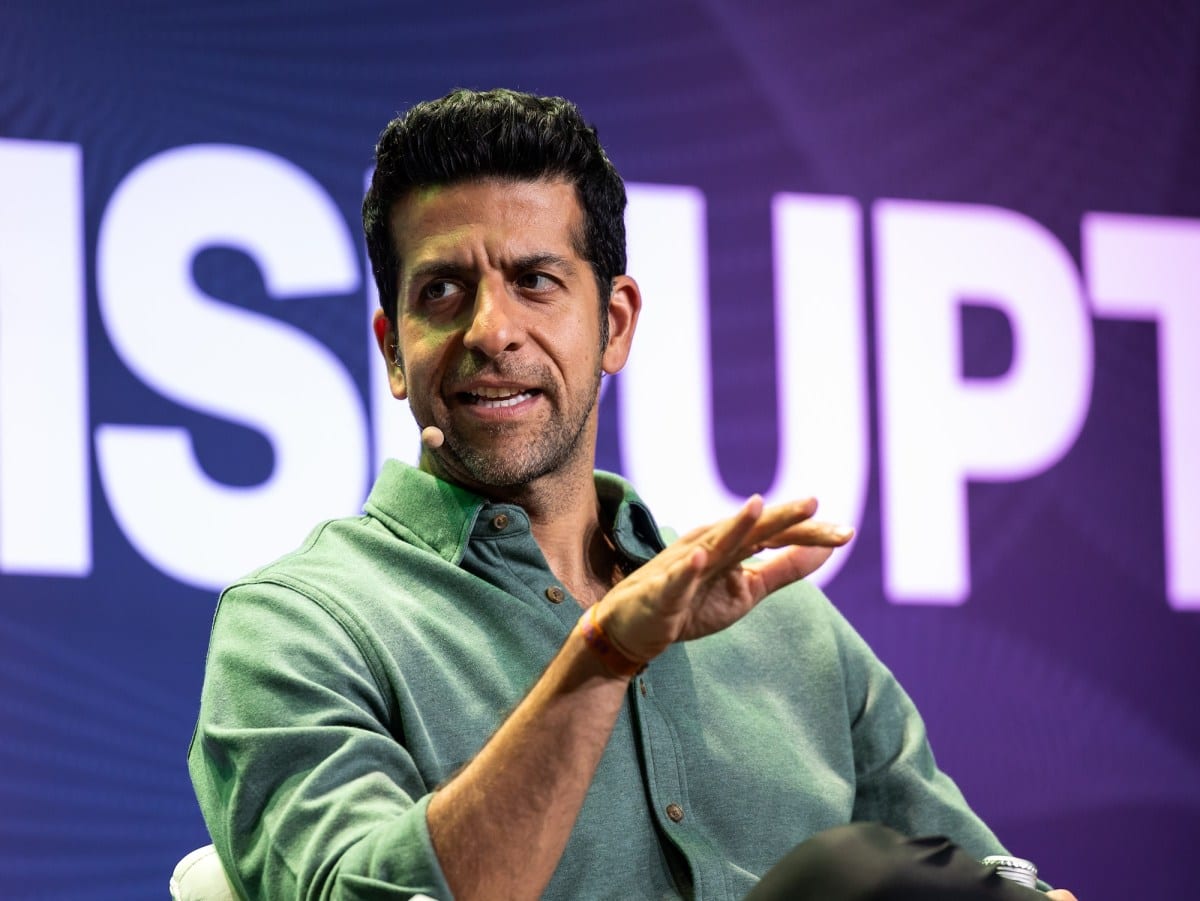
Having the best technology is not enough to land big corporate customers. That is the message from Arsalan Tavakoli-Shiraji, co-founder of Databricks, who spoke at TechCrunch Disrupt. Databricks helps businesses store and analyze huge amounts of data. It is now valued at $190 billion, and more than 70% of the Fortune 500 are customers.
What went wrong early on
Tavakoli-Shiraji helped bring in Databricks' first big deals. He says startups often believe their tech will practically sell itself. He learned the hard way that "people and processes matter the most."
In one case, he got a meeting with a prospect who had signed a mega-deal with a major competitor. That person had no interest in listening, because he had bet his career on the rival. Other early deals fizzled because the startup was not ready for legal, contractual or security questions.
How a partner opened the door
Databricks once tried and failed to get a meeting with UBS, the Swiss bank. Then it became an Azure cloud partner with Microsoft. Sales agreements were covered under Microsoft's terms, and Microsoft's salespeople booked meetings and spoke up for the startup. "All of a sudden, that meeting wasn't hard to get," he said.
Demand grew fast. Some prospects wanted features for countries Databricks had not expanded to yet. He called those good problems to have.
Now Databricks plays the big partner. It sells products from startups under its own terms and cybersecurity setup. Examples named include Hightouch, Addepar and Tecton, which Databricks later acquired.
What big buyers worry about
Tavakoli-Shiraji sorts enterprise concerns about AI into four categories:
- Context: AI that learns a company's terms, processes and priorities, like a new employee.
- Choice: the freedom to switch AI models instead of being tied to one provider.
- Cost: control over how much the AI product costs to run.
- Control: safeguards on the AI's behavior and protection of sensitive information.
Where companies really stand
He jokingly asks tech chiefs to rate themselves on AI from one to five. A one means employees just have access to ChatGPT. A five means AI has changed how the business runs. Most say they are "three leaning towards four." But he says 99% of those he talks to are in the first two stages.
In his view, companies have not yet found ways to use AI agents that create value beyond helping engineers write code. He expects it to take "many, many years" to do this well.
Where the opportunity is
He sees one clear opening for startups: old, costly systems. Banks still run IBM AS/400 machines and mainframes, he said, and nobody wanted to touch them because nobody knew what the code did. He says AI agents can now work out what that code does. That could lead to modern interfaces for old systems, or to replacing them.
The takeawayWhen judging an AI tool for work, look past the demo and ask about context, choice, cost, control, plus the contract and security answers.