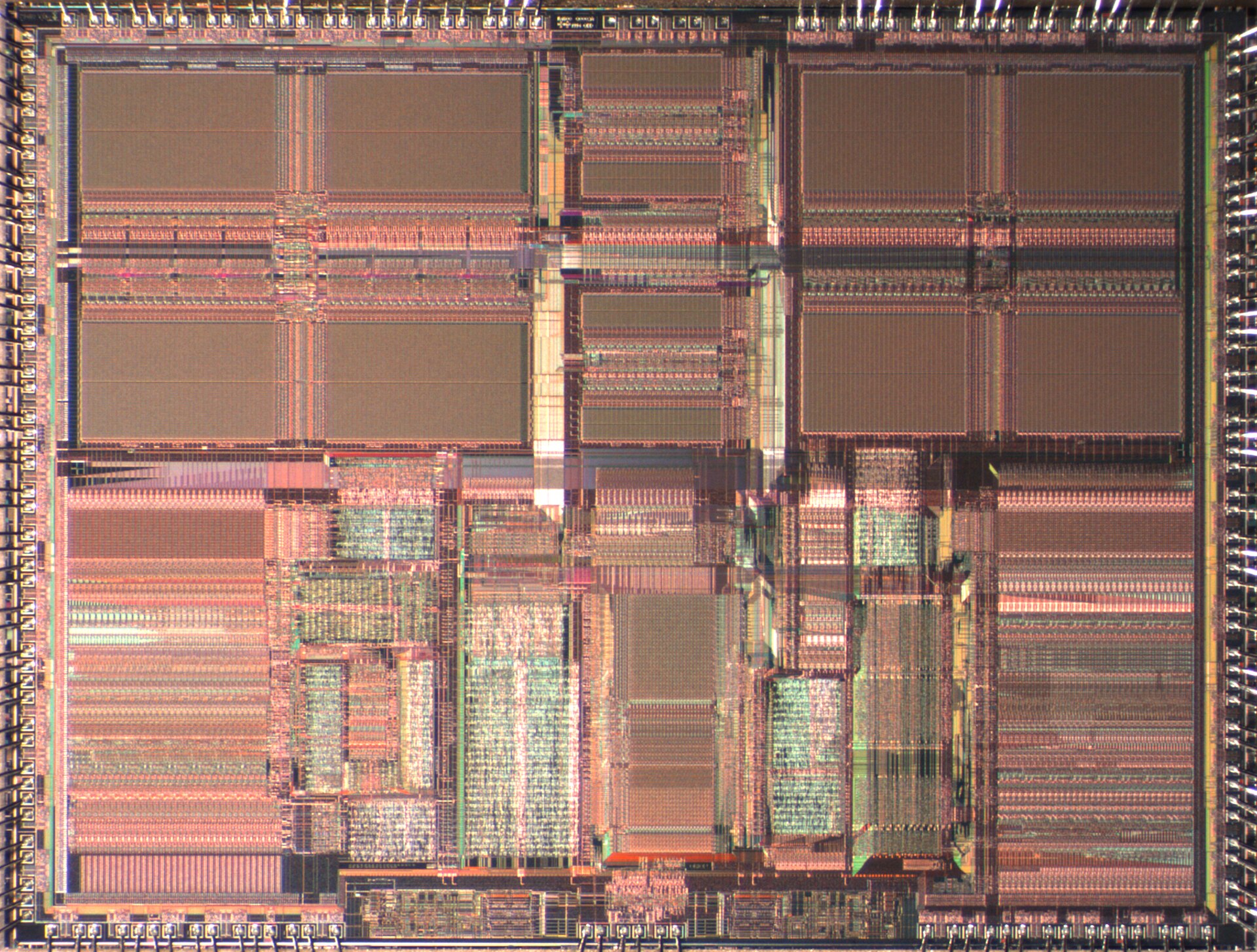
Graphics cards, laptops and game consoles are getting more expensive, and the companies that make the memory inside them say the squeeze will not ease soon. The cause is the AI boom, which is soaking up memory chips as fast as factories can build them. Some industry leaders expect tight supply to last until at least 2030.
What changed
AI companies need a specialized memory called high-bandwidth memory, or HBM, to train and run their systems. It is made in the same factories as ordinary computer memory (DRAM), and it sells for roughly 30 percent more. So chipmakers are shifting production toward it. AI data centers are projected to use about 70 percent of the world's DRAM supply this year.
How high prices have gone
A JP Morgan report says DRAM prices will be up 400 percent since 2024 by the end of 2026. The Tom's Hardware chip tracker puts Nvidia's top consumer card, the GeForce RTX 5090, at $4,920 above its $1,999 suggested price at launch in January 2025. The same JP Morgan report found prices for software and accessories up nearly a quarter in two years. The Economist found similar rises for consoles and laptops, and PC shipments have fallen. GameStop lists the PlayStation 5 Pro roughly $500 above its suggested price.
Why relief is slow
Three companies make about 90 percent of the world's DRAM: Micron, Samsung and SK Hynix. All three expect long-term shortages even as they expand. Micron stopped selling directly to consumers last year to focus on AI. Much of the future supply is already spoken for:
- Micron has reportedly sold 75 percent of its 2027 HBM output, at prices much higher than 2026.
- Samsung has sold almost 80 percent of its 2027 memory output, per KB Securities.
- SK Hynix's chairman says building enough supply will take at least four to five years.
- He expects production to lag demand by 20 percent until at least 2030.
Micron's CEO said supply will be much tighter in 2027 and 2028 than in 2026.
The optimists
Not everyone agrees. Acer's CEO told DigiTimes that prices could level off next year if cheaper Chinese alternatives arrive. A South Korean publication quoted experts who predict a flood of new supply in 2029, which briefly pushed memory stocks down in October 2026. Nvidia's Jensen Huang dismissed the idea of a surplus, saying you can always use more memory.
What to do
Anyone planning to buy a laptop, console or gaming PC should expect higher prices. Waiting may cost more rather than less, though no one can promise where prices will go. If a purchase is needed, the case for waiting for a better deal looks weaker than usual.
The takeawayChip makers expect tight memory supply for years, so waiting to buy a laptop, console or gaming PC may cost more, not less.