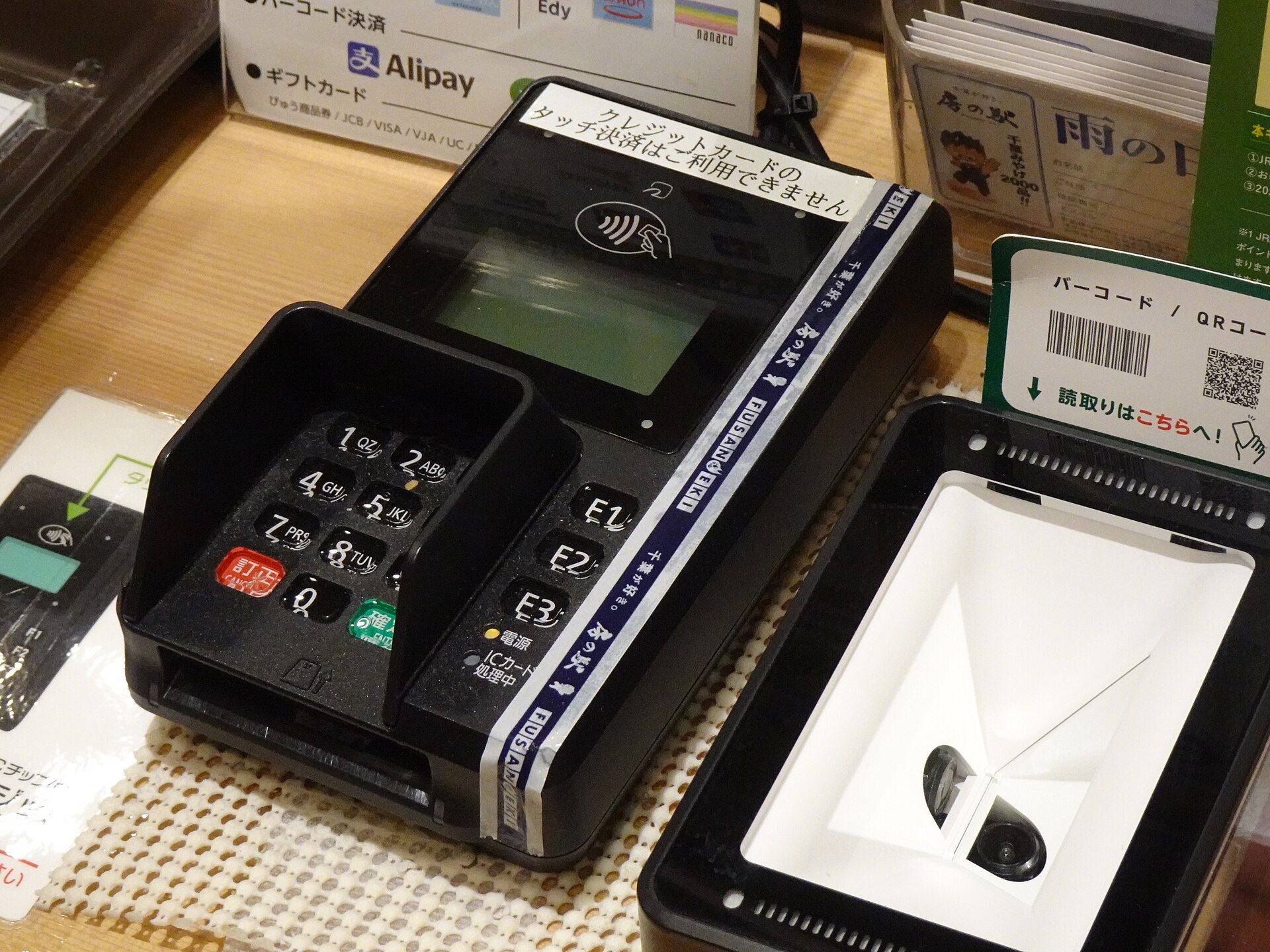
A "cashless only" sign means every customer must use a payment middleman, and the cost of that middleman ends up in shop prices. That is the argument of a writer with 25 years in commercial banking and payment clearing, published on HackerNoon. It is an opinion piece, but it points to research from a UK regulator and the Federal Reserve.
How the fee works
Card users often hear that paying is free. The shop pays. It is charged a Merchant Discount Rate, which bundles three things: interchange, network fees from companies like Visa and Mastercard, and charges from the shop's payment providers. Terminal rental and monthly charges can sit outside the advertised rate, so the headline number may not be the full bill.
The piece gives an example. A shop makes a 100-dollar sale and has five dollars left after its other expenses, before payment costs. A 2.5% card fee takes 2.50 dollars. That is half the profit. The fee is based on the total sale, not on what the owner keeps.
Who gets the money
Interchange generally goes to the bank that issued your card, not to Visa or Mastercard. The networks set default interchange rates in many markets and add their own fees. Banks and processors collect other pieces. Interchange also helps support the issuing bank's card operation, including rewards.
Most shops charge one shelf price and spread card costs across the business. So a cash buyer pays the same price as a premium-card buyer who earns rewards. Federal Reserve research on payment-cost cross-subsidies documents this effect in the United States and Canada.
What regulators found
Europe caps interchange on many consumer-card transactions at 0.2% for debit and 0.3% for credit. Those caps cover only one slice of what a merchant pays, not the total cost of accepting cards.
The UK regulator found that Visa and Mastercard raised their core fees to acquiring firms by at least 25% in real terms between 2017 and 2023. That added at least 170 million pounds a year to business costs. It also found weak competitive pressure and confusing fee information.
What to do
- Ask your provider for every charge, not just the headline rate.
- Look for terminal rental, monthly fees and other costs outside the quoted percentage.
- Compare the fee with the profit on a typical sale, not just the sale price.
For shoppers, the point is simpler. Card costs do not vanish at the register. They can show up in the prices at the places you buy from, whatever way you pay.
The takeawayCard fees are charged on the whole sale, can include costs beyond the quoted rate, and can raise prices for every customer.