Bill Gates says the road to an AI-powered future will be bumpy for about 20 years. On the "Decoder" podcast, the Microsoft cofounder called it "as tumultuous a period as there's been in human history." He still expects AI to create what he calls "true abundance" in the end. His worry is the stretch in between, with "winners and losers and a lot of disruption."
What Gates expects
Gates named telesales, telesupport and accounting as jobs that will disappear. His reason is that AI will do that work "radically cheaper, radically faster, and even more accurately." For physical jobs, he points to humanoid robots, meaning robots built in human shape.
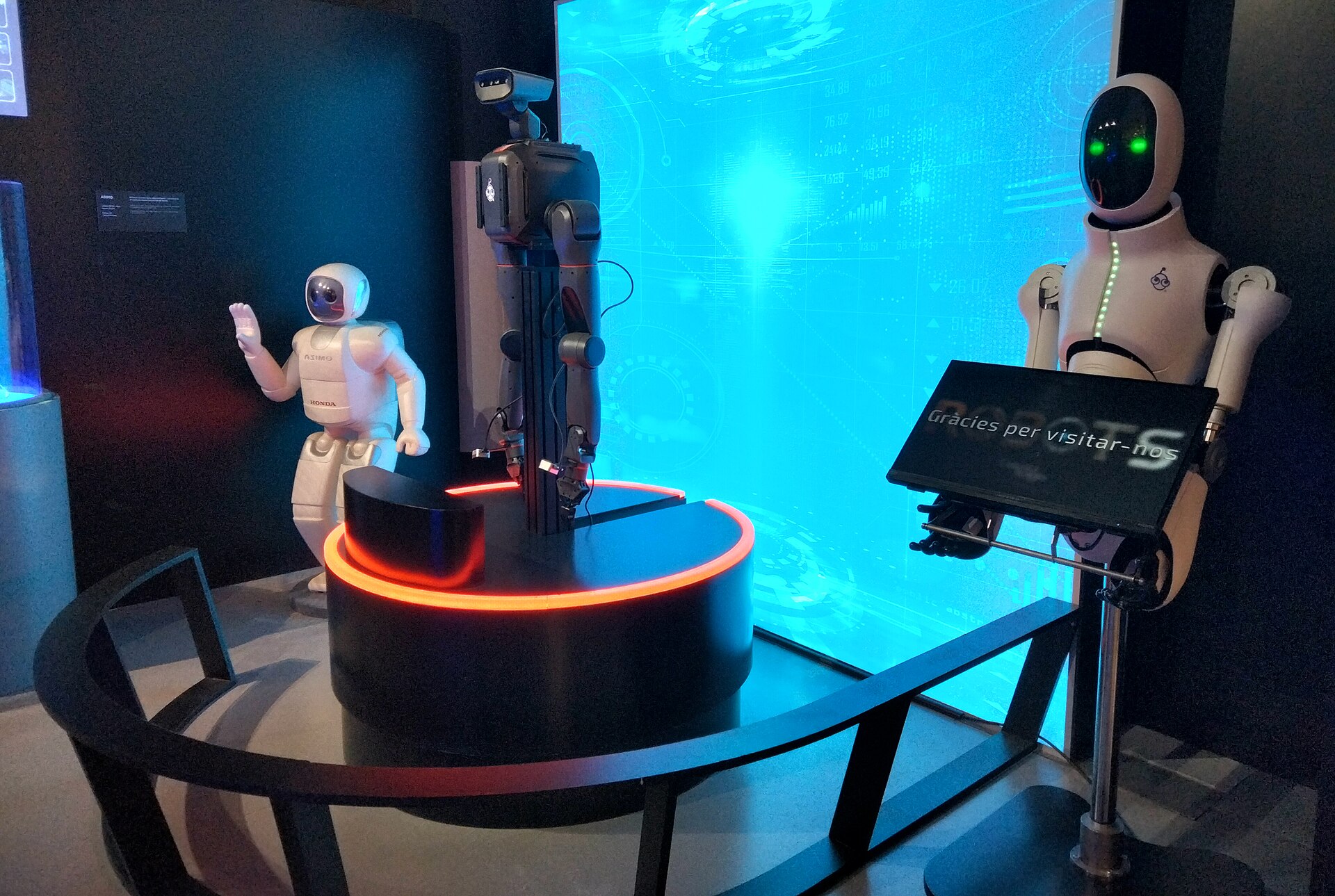
"If we don't choose to massively slow down or stop, then we will have robots that can build houses, grow food, do surgery," he said. In that world, most human labor would no longer be needed for goods and services.
Why work still matters to him
Gates said work gives people more than a paycheck. It gives purpose, a reason to show up and relationships with colleagues. He suggested some activities could be kept for humans even if AI does them better, such as art, sports, cooking and childcare. He also floated early retirement and limits on working hours to keep some human employment.
Other leaders weigh in
- Jeff Bezos and Jamie Dimon have both proposed a shorter workweek as a gentler answer to AI job losses.
- Elon Musk predicts a "bumpy" transition and backs government checks for everyone.
- Dario Amodei of Anthropic says the "short-term shock will be unprecedented in size."
The other side
Not everyone agrees the shock is here. Sam Altman of OpenAI said in May that AI has not wiped out as many white-collar jobs as he expected, and he no longer anticipates a "jobs apocalypse." Major companies such as Amazon and Meta have had high-profile layoffs. Even so, national unemployment has not risen in any major way during the AI boom.
What to do
These are predictions, not facts, and even the experts disagree on timing. Still, if your job or your business leans on phones, customer support or bookkeeping, it makes sense to see how AI tools handle those tasks today. Knowing what they do well and where they fall short will help you plan, whichever forecast proves right.
The takeawayGates expects a rough 20-year shift, so learn now how AI handles phone, support and bookkeeping work if your livelihood depends on it.