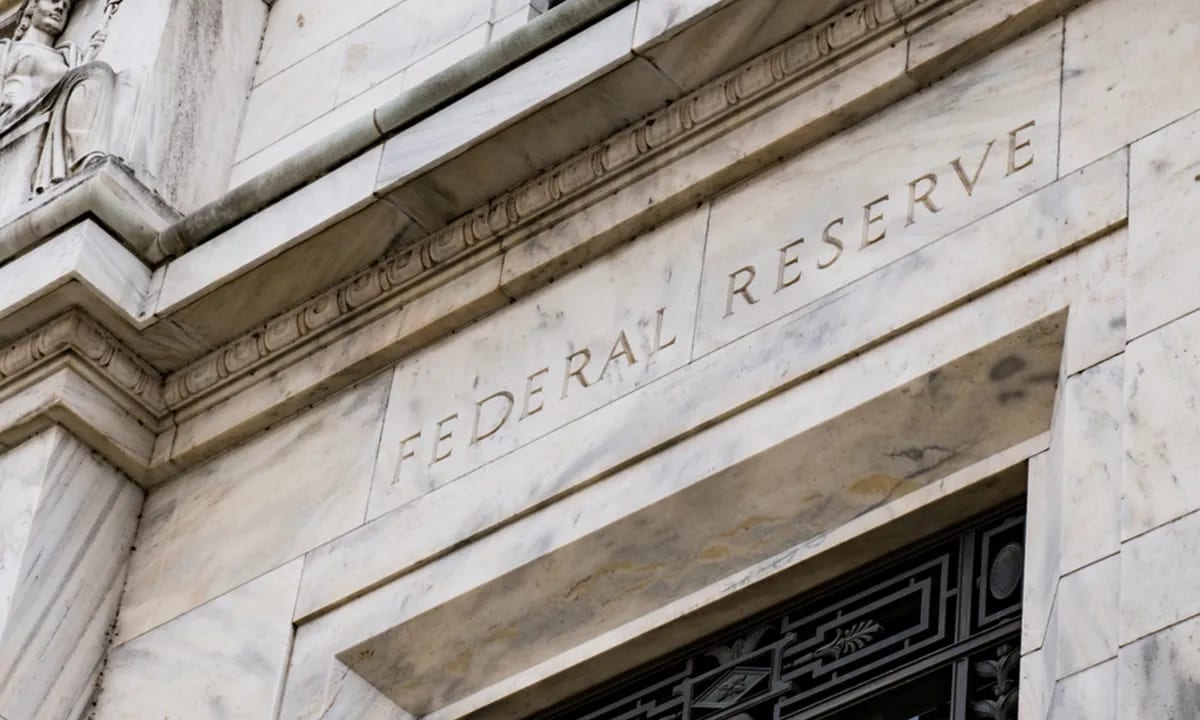
Banks got pickier about who they lend to this past summer. In the third quarter, they tightened standards for small businesses, for subprime mortgages and for borrowers who fall short of credit score cutoffs on consumer loans. That comes from the Federal Reserve's October Senior Loan Officer Opinion Survey, which asks banks how their lending practices are shifting.
Small businesses
Banks tightened standards for small firms. They also asked for more collateral, meaning assets a borrower pledges in case the loan is not repaid. And they leaned more on interest rate floors, which set a minimum rate a loan cannot go below.
Large and mid-sized companies saw a different picture. Banks left standards basically unchanged for them and eased or held steady on most loan terms. For firms of all sizes, though, banks charged higher premiums on riskier loans, which means extra interest for added risk.
The Fed said the most common reasons for tighter standards were a less favorable or more uncertain economic outlook and worsening problems in specific industries. Banks also tightened standards for all categories of commercial real estate loans.
Home and consumer loans
Subprime mortgages, which go to borrowers with lower credit scores, got harder to obtain. Banks eased standards for qualified mortgage jumbo and non-QM jumbo loans, which are larger loans. Standards stayed basically unchanged for most other home loans and for home equity lines of credit.
For everyday credit, banks tightened approval for people who miss credit score thresholds on credit cards and other consumer loans. They also cut credit card limits and raised the minimum credit score for auto loans. Most other consumer terms held steady.
Demand moved in different directions. Banks said demand for credit card loans was stronger, demand for auto loans was weaker, and demand for other consumer loans was basically unchanged. For cards, banks most often pointed to customers' spending needs as prices changed.
Who it affects
Two PYMNTS Intelligence reports put numbers on the groups involved. One found that 17% of U.S. consumers, about 44 million adults, are subprime, and that 35% of them have no credit or store card. Another found that among small and mid-sized businesses seeking outside financing in February, 37% did so as a strategy, 35% out of necessity and 28% for both.
What to do
The survey does not say how much tighter standards became or how long the change will last. Still, owners and borrowers with lower scores can expect tougher terms.
- Apply for financing early rather than waiting until cash is tight.
- Compare more than one lender, since terms can differ.
- Be ready for requests for collateral.
- Check your credit score before applying for a car loan or card.
The takeawayIf you run a small business or have a lower credit score, expect tougher loan terms, so apply early and compare lenders.