Most Android phones now use swipe gestures instead of the old row of three buttons. A How-To Geek writer who prefers gestures says they still fall short in three areas: custom home screens, side menus and the Accessibility Button. In each case, switching back to buttons can make the phone easier to use.
Where swipes came from
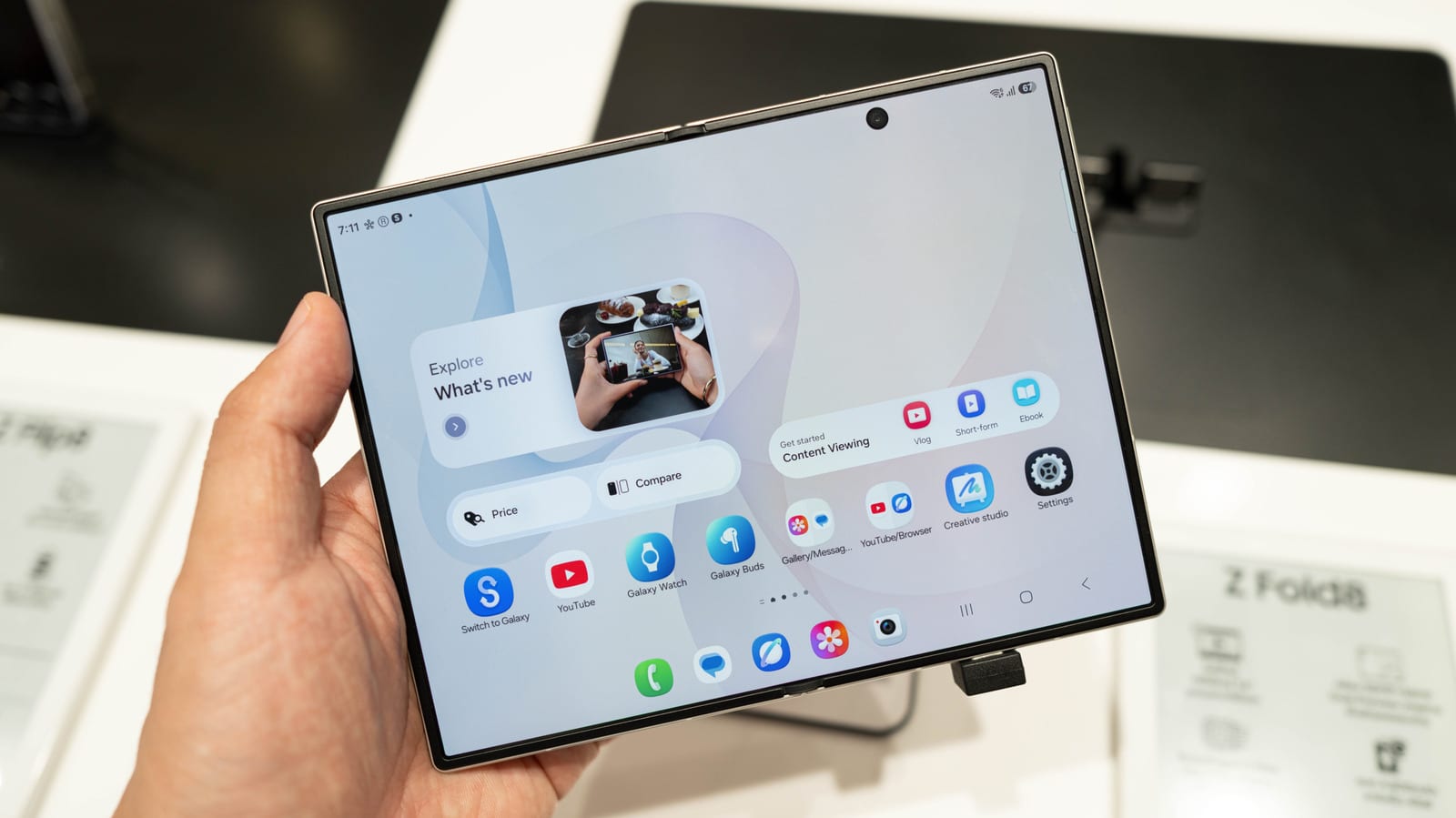
Android 9 Pie in 2018 had an early, in-between version of gestures. The full swipe system arrived with Android 10. Pretty much all Android phones use it today. Samsung phones are a notable exception, since they default to three buttons. Many Samsung owners may never have tried the swipe option.
Custom home screens can feel choppy
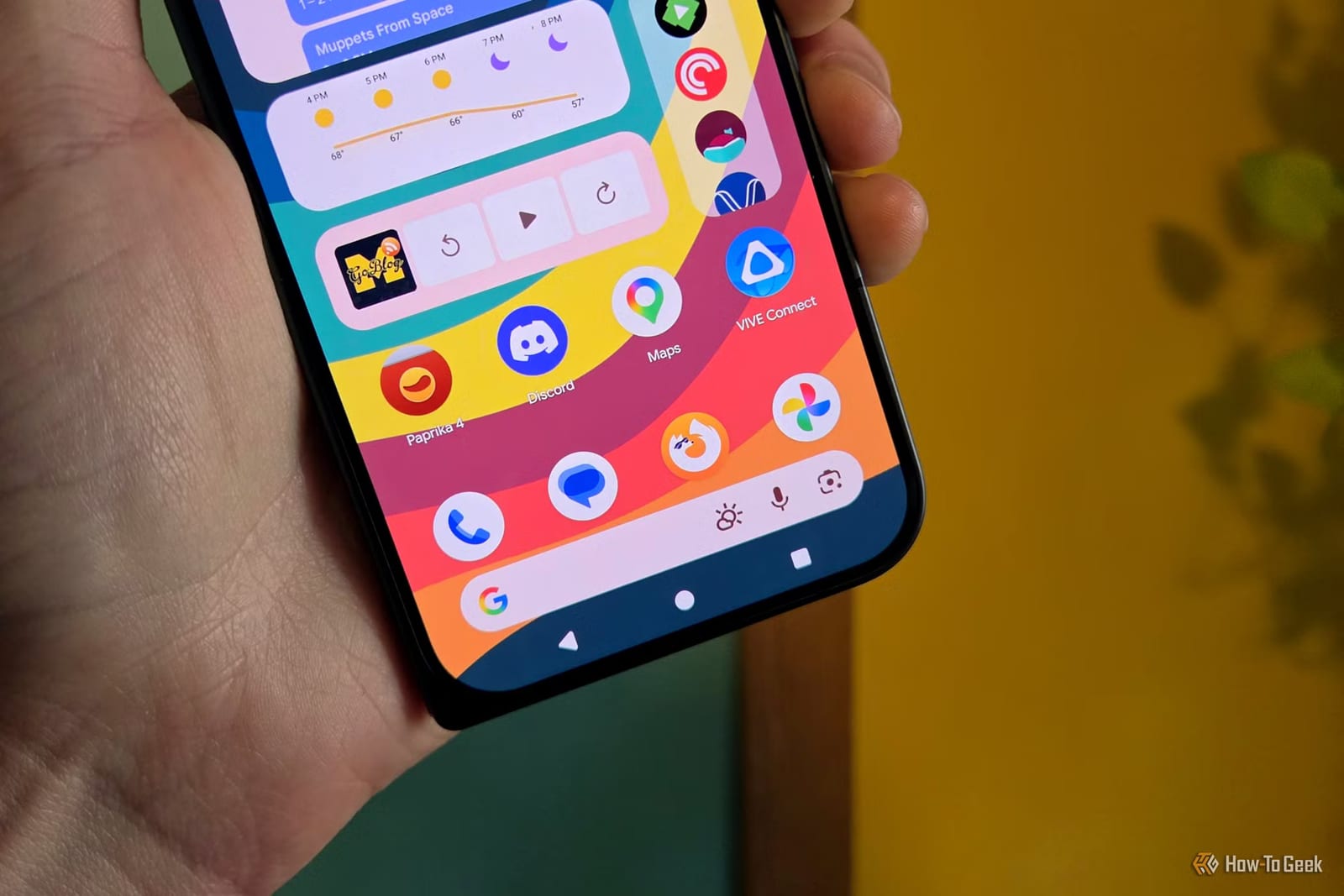
A third-party launcher is an app that replaces your phone's home screen. Niagara and Lawnchair are two examples. Users have long complained that swiping feels less smooth with them.
The reason is how Android is built. When gestures arrived, Google moved the Recents screen, the view of your open apps, into the phone's stock launcher. That is the one the maker ships, such as the Pixel Launcher or One UI Home. So a swipe up must first decide whether you want Home or Recents. If it is Recents, the stock launcher takes over. That extra handoff can cause the choppy feel.
Buttons skip the guesswork. The Home button goes to whichever launcher you set as default. The Recents button opens Recents directly.
Side menus are harder to open
For years, Google encouraged app makers to put slide-out menus on the left side of the screen. You could open them by tapping the three-line "hamburger" icon or by swiping in from the edge. With gestures, that same edge swipe also means "go back," so it competes with the menu.
With three buttons, the swipe still works and is much easier, the writer says. With gestures, you must reach to the top of the screen to tap the icon, or try a diagonal swipe he calls incredibly unreliable. He names this the worst thing about gesture navigation.
The Accessibility Button gets in the way
The Accessibility Button is a shortcut that many apps use to add extra features. With gestures, it floats over the screen, and you may need to keep dragging it out of the way. With three buttons, it can sit in the navigation bar, always in the same spot. Some third-party apps also use that bar space, which gestures do not allow.
What to do
If your Android feels choppy with a custom launcher, or a side menu is a chore to open, try switching navigation styles in Settings. The writer still prefers gestures and calls this a short list. He is glad Android offers both options.
The takeawayIf your Android feels choppy or a side menu is hard to open, try switching back to three-button navigation in Settings.