Analyst firm Forrester says fears of an imminent AI crash are premature. It also tells businesses to prepare for a correction anyway. The concern is practical: if the AI industry cools, the companies that sell AI tools could raise prices, drop products or disappear, and customers would be left to rebuild their plans.
Why a crash is not expected yet
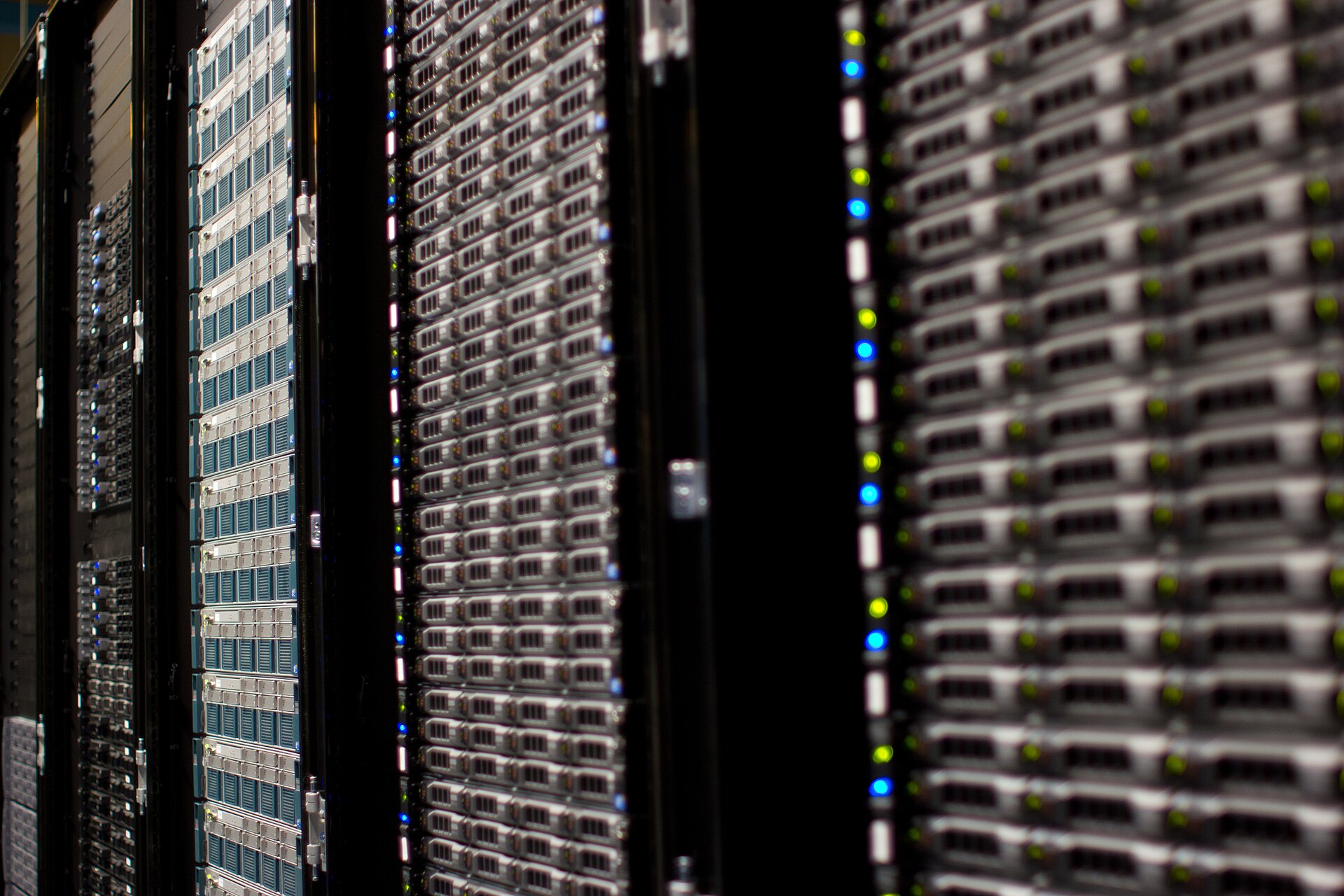
Forrester VP Brian Hopkins says about nine-tenths of the money building AI computing capacity comes from large, healthy tech companies paying out of their own cash flow. The risk, he says, sits in a few places: a small number of builders under real financial strain, and circular financing deals with the AI labs.
The returns are still unproven. Forrester calculates the spending breaks even only if AI lifts US economic output by 5 percent by 2035. Published estimates suggest productivity gains could supply about two percentage points of that, leaving roughly $1.3 trillion to come from other sources. Consultancy Bain & Company estimates the industry needs $6 trillion in yearly revenue by 2031.
What it means for customers
Forrester points to how prices have already fallen. Anthropic cut its token costs, the per-unit charges for using an AI model, in response to competition from open source models. If demand disappoints as new capacity comes online, suppliers could cut investment, merge, change prices or discontinue products.
Forrester suggests watching two things: the gap between a supplier's contracted business and the revenue it has actually recognized, and how it pays for its build-out. It calls heavy reliance on outside investment and customer prepayments, as with Oracle and CoreWeave, a red flag to cut back dependence.
What to do
- Track whether each AI project delivers measurable value.
- Decide in advance which AI uses you would drop.
- Know what data and workloads you would have to move, and the cost.
- Test your plan against a key vendor ending support in 12 months.
Hopkins does not urge a pullback. Businesses should keep investing where AI shows demonstrable value. He adds that demand is the biggest unknown, because it depends on companies finding lasting value beyond simple productivity gains.
What happens next
No date for a correction is given. The International Monetary Fund has warned that financial markets are increasingly exposed to an AI-driven correction. Earlier this year the Bank for International Settlements said the industry showed hallmarks of past bubbles. Forrester also sells a bubble-monitoring model and advisory help.
The takeawayKeep using AI where it clearly pays off, but know which tools you could drop or replace, and what switching would cost, before a supplier forces the issue.