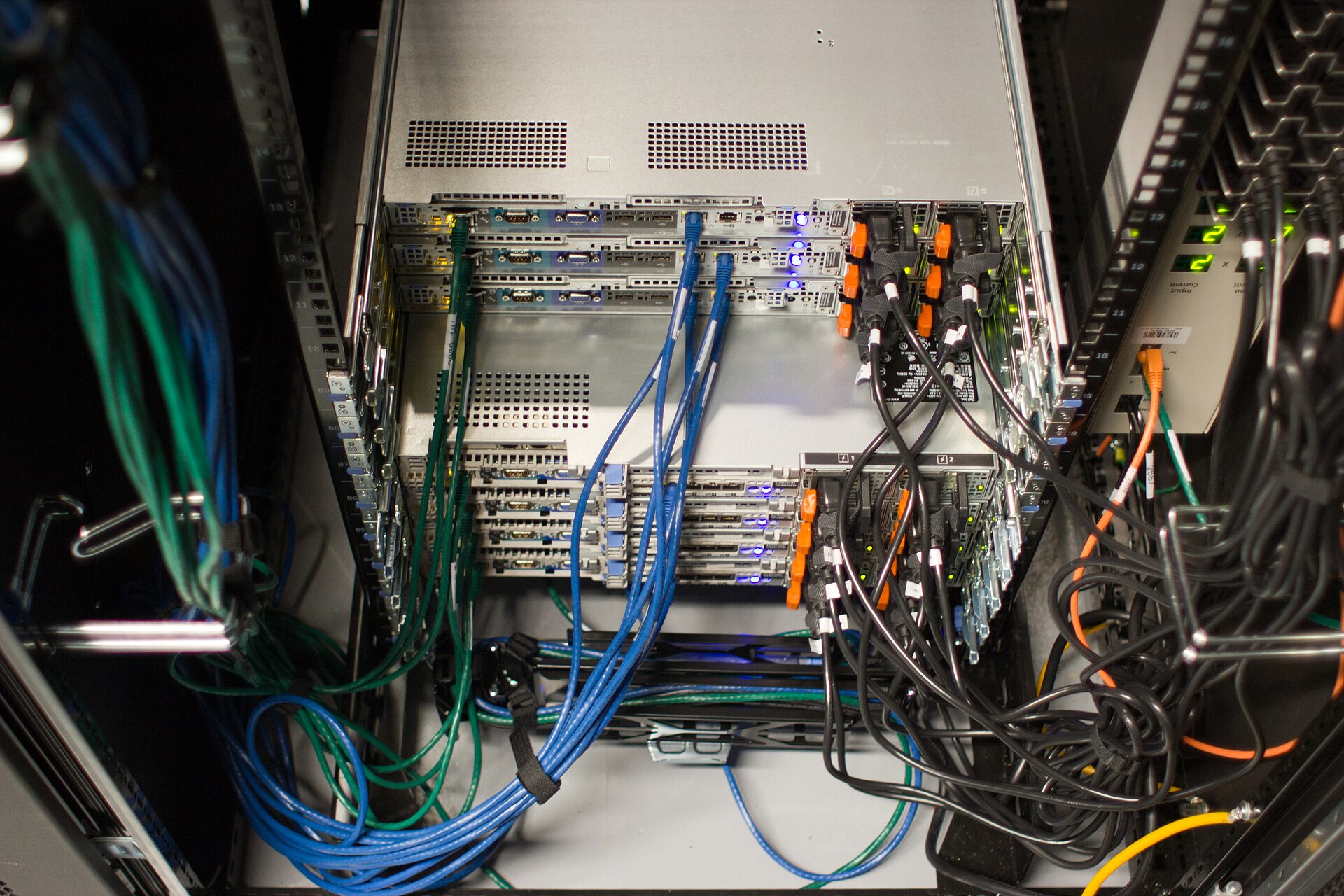
The AI boom is putting heavy strain on the US electric grid, but industry leaders say that pressure is also paying for ways to fix it. At TechCrunch Disrupt earlier this month, three executives argued that the rush of new power demand is opening the door to a long-overdue upgrade.
What changed
AI has driven a huge jump in energy demand across the country. Critics say the flood of new connections is a stress test for an aging grid. Their worries: higher electric bills in the short term, and outages or other technical problems later on.
The panelists did not wave that away. They said the grid is changing in other ways too. Apoorv Bhargava, CEO of WeaveGrid, pointed to renewable energy and new demand from electric vehicles, data centers and heat pumps. Managing all of it, he said, is what utilities now struggle with.
Two kinds of fixes
WeaveGrid sells software that helps utilities get more out of the current system by managing new demand. Bhargava said it can also help lower bills for the people who pay utilities.
Veir works on the physical side. It sells superconducting power lines, which are cables built to move electricity more efficiently than traditional ones. The company says its cables carry power five times farther and need 20 times less space. Veir raised $110 million in a Series C funding round earlier this month.
The case for optimism
Tim Heidel, Veir's CEO, said the scale of AI spending is pushing new technologies off the shelf and toward wide use. Together, he said, they could help data centers be good neighbors to the communities around them. He urged adopting them as fast as possible.
Kristin Eberhard, policy VP at Rewiring America, which advocates for household electrification, called this an "improv era." Her point: the industry is saying yes to more transmission lines and more centralized power plants, and also to options it used to leave on the table.
What is not known yet
The discussion did not say whether power bills will rise or fall, or how soon these tools will reach homes and businesses. WeaveGrid and Veir both sell the products they were describing, so the performance claims come from the companies themselves.
The takeawayThe AI power squeeze may raise pressure on bills, but it is also funding grid upgrades, though the claims so far come from the companies selling them.