AI is likely to be a huge success, but that does not mean everyone spending billions on it will make money. Amazon, Microsoft, Alphabet and Meta were planning to spend up to $725 billion combined in 2026, much of it on data centers. Experts told Business Insider that the computers inside those buildings could lose their value long before the investment pays off.
Buildings last, chips do not
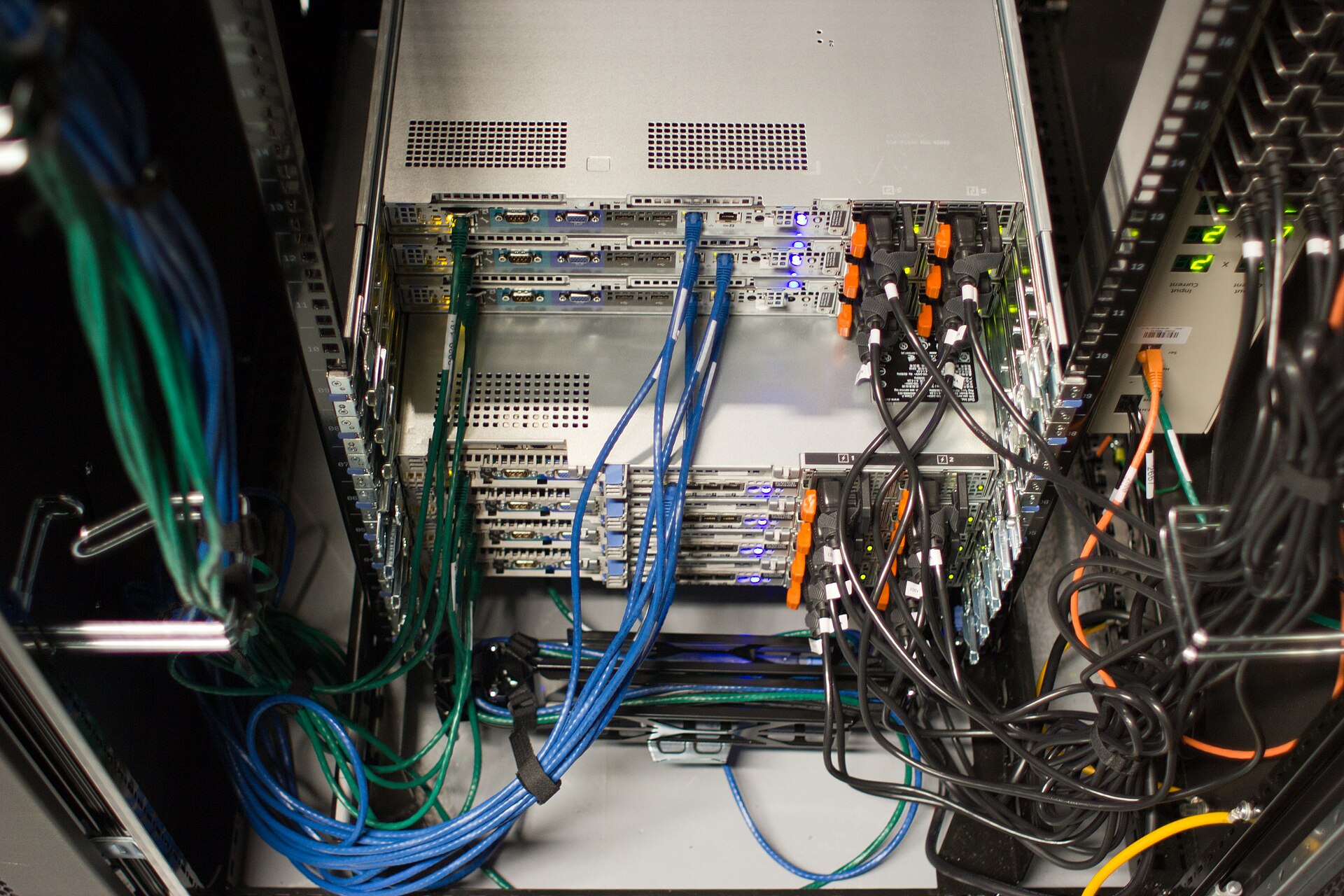
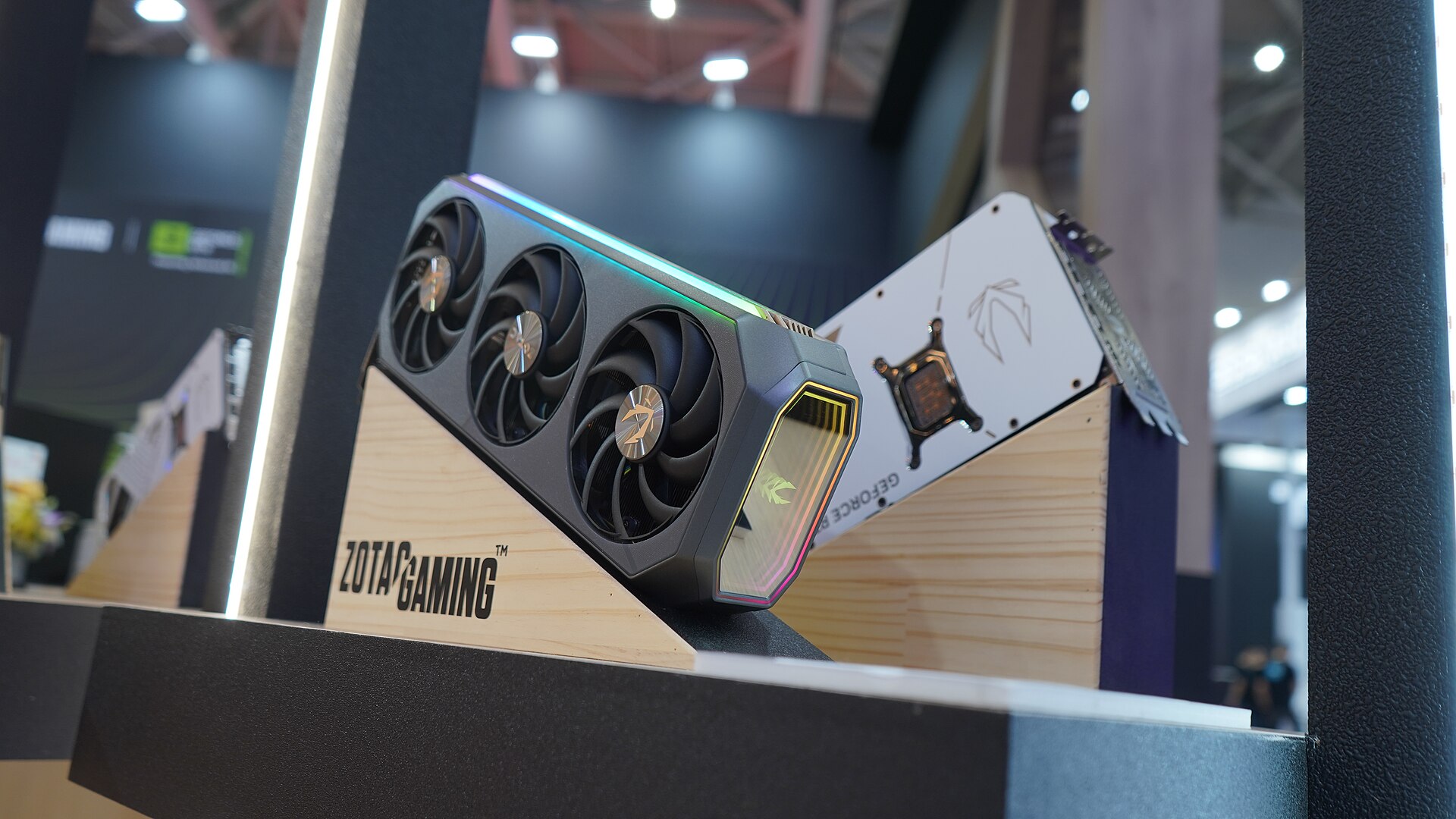
Data centers take years to build. The hardware inside can be overtaken by newer technology much sooner. Volker Pfirsching of Arthur D. Little said buildings and power connections can support several generations of technology, while computing hardware can lose commercial value much sooner. Brent Tomlinson of Kroll noted that data centers planned two years ago are still being built, even as AI keeps changing.
Amazon has already adjusted
Amazon shortened the estimated working life of some servers and networking equipment from six years to five in 2025. It cited faster progress in AI and machine learning. That raised its yearly equipment costs on paper by $1.4 billion and cut its net income by $1 billion, mostly at its cloud unit, AWS, according to its annual report.
Nobody knows the final bill
Goldman Sachs CEO David Solomon said on a podcast published October 27 that nobody really knows whether the buildout will cost $5 trillion, $10 trillion or more. He remains optimistic and said demand for computing power currently exceeds supply. Still, shares of AI infrastructure companies CoreWeave and Nebius tumbled in October as investors expected higher interest rates.
Cheaper AI could help or hurt
More efficient AI could drive more use, which could raise demand for computing power. Pfirsching said returns depend on whether growth in paid usage makes up for falling prices and covers electricity, financing and equipment replacement. State Street Investment Management compared the moment to the fiber-optic boom of the late 1990s. Those networks became essential, yet some of the companies that built them struggled. Businesses that use cheap computing may capture more of the value.
What it means for your money
Tomlinson said the technology will be wildly adopted, but returns may not match what people expect. Investors are now judging parts of the AI industry separately. Pfirsching named the biggest risks for infrastructure companies:
- Borrowing heavily to buy hardware
- Relying on a handful of customers
- Assuming today's rental prices will last
If your savings or retirement funds hold AI stocks, a booming technology does not guarantee strong returns for every company that helps build it.
The takeawayA winning technology does not guarantee a winning investment, especially for companies that borrow heavily for hardware that may age fast.