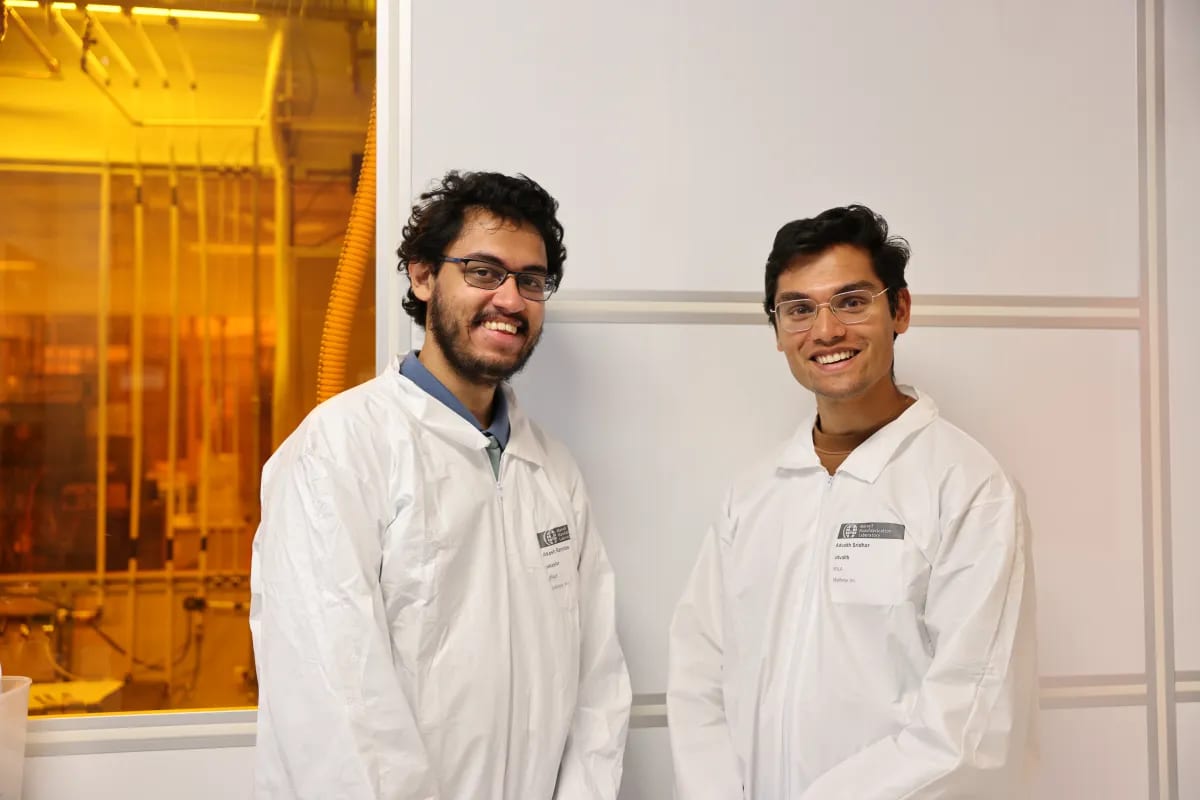
A San Francisco startup called Discovered Materials is offering $200,000 for each solution to five unsolved problems in materials science. That adds up to $1 million. The company wants AI models, professors or anyone else to take a shot at them.
What the problems are
Materials science is the study of what things are made of and how they behave. The company says there are phenomena scientists can observe but cannot yet explain. It recruited academics at leading universities to spell out five open problems. Felipe Jornada, a Stanford professor who helped develop them, said the answers would shape how we build electronics, store energy and make future materials. The material does not list the five problems.
Why AI has not cracked them yet
AI models have solved a series of hard math problems and made progress in the life sciences. Complex physics in advanced materials is a different story. Co-founder Advaith Sridhar says it is harder to define problems clearly here, because math gives a yes or no answer and materials science often does not.
Before launch, the company let AI models from leading labs work on the problems for days. They had internet access and other resources. They made little headway. TechCrunch notes that a newer model or much more computing power from a company like OpenAI or Anthropic could change that.
Why offer prizes at all
Sridhar says it does not matter who wins, whether that is his company, a professor or a big AI lab. The challenges are meant as goalposts. Tracking who makes progress will show whether AI models are climbing in this field. He describes it as a new way of doing science: set the tests first, then let someone find the explanation.
The company behind it
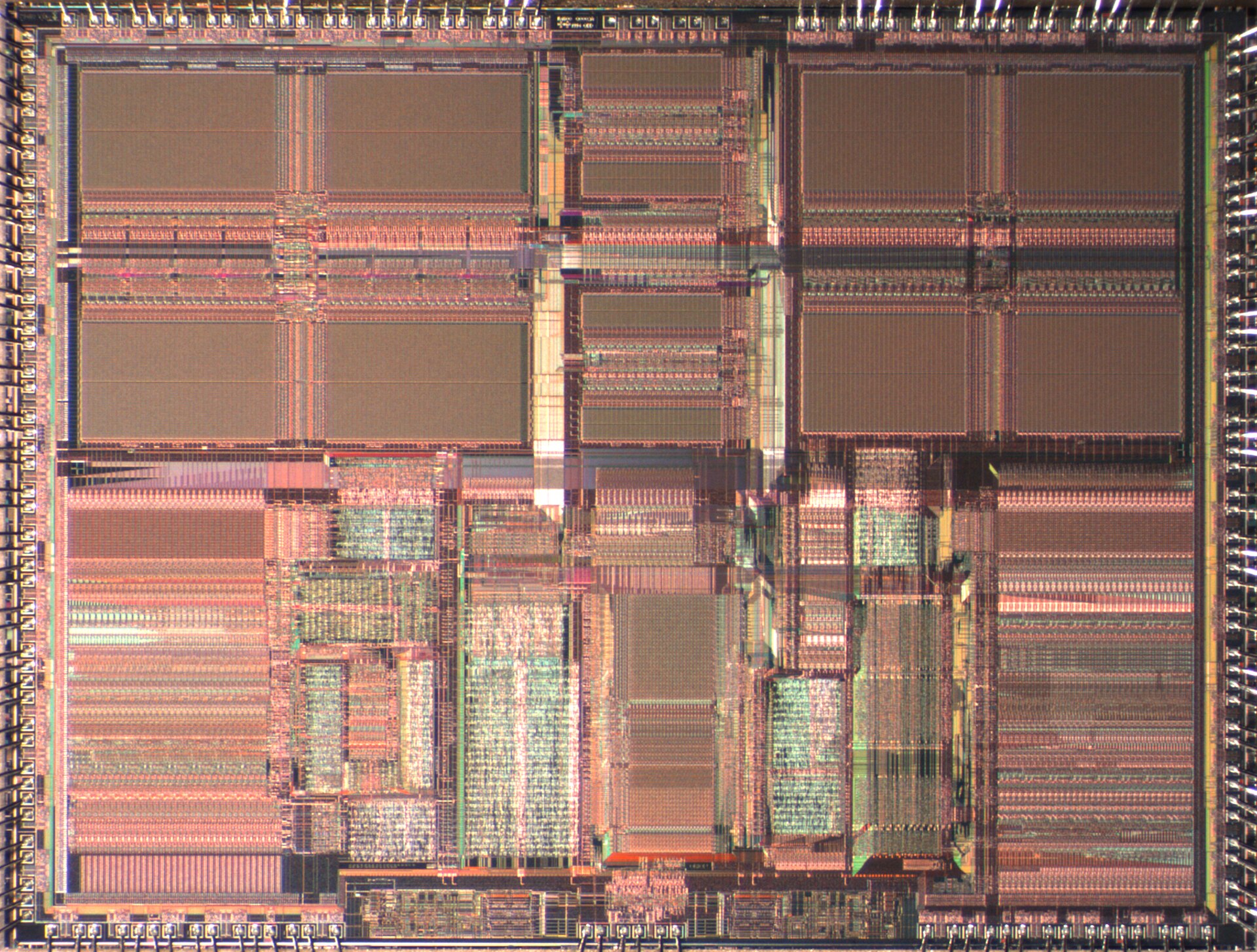
Discovered Materials was part of Y Combinator's spring 2026 batch. Its main focus is new materials for semiconductors, the chips inside electronics. It partners with large chip companies on research and funds some of its own work. After its August seed round, Sridhar hoped to produce a useful material within a year. He now says the timeline is shorter than that.
What it means for you
Better materials could mean faster electronics and longer-lasting batteries. Any effect on your devices or costs would come years later, if at all. The material does not say when the prizes might be claimed, or how answers will be judged.
The takeawayA small startup is using cash prizes to test whether AI can solve hard materials science, work that could eventually mean better chips and batteries.