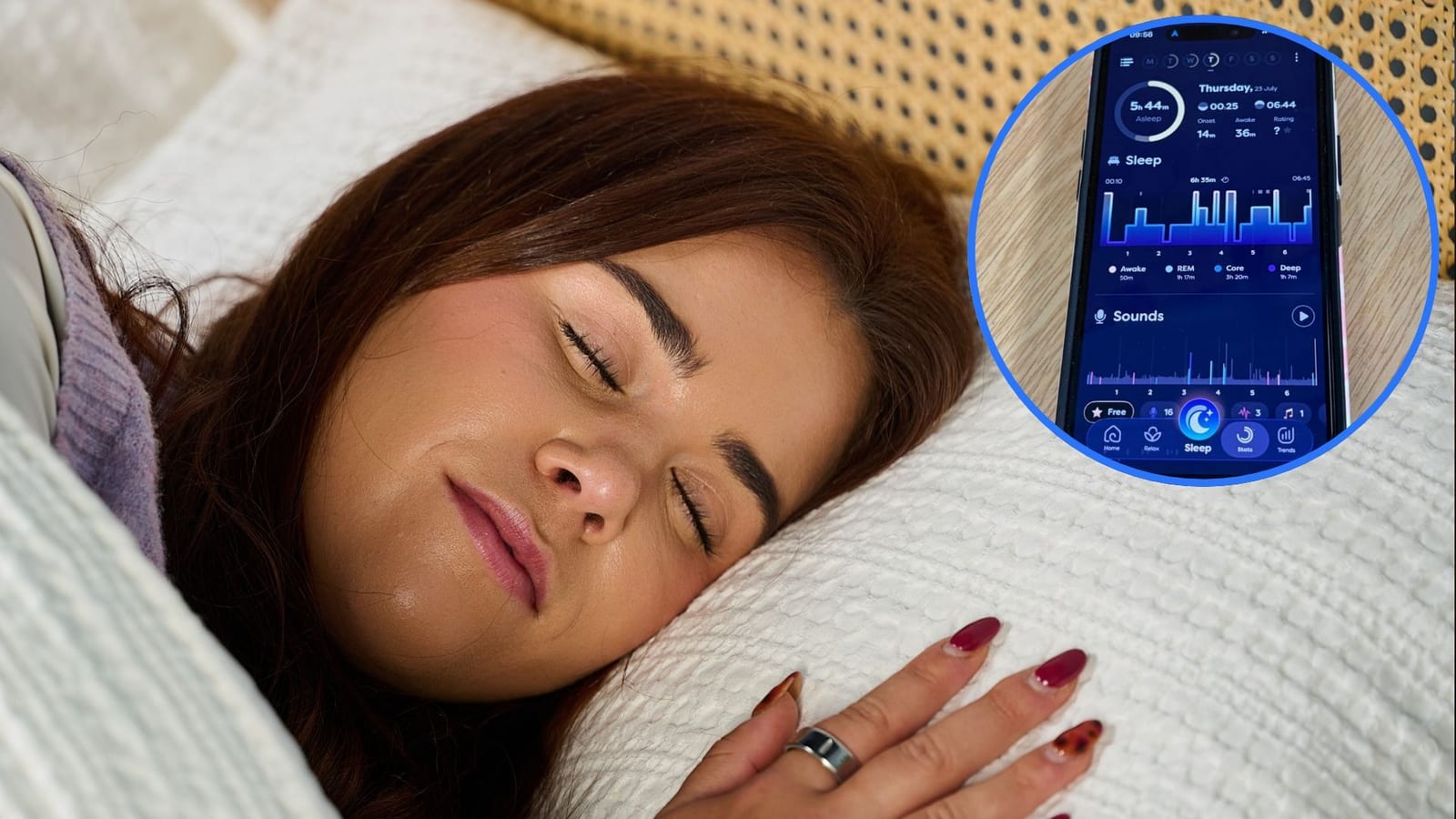
A free iPhone app called Sleepwave tracked one writer's sleep closely enough to rival her $499 Oura Ring 5. Tom's Guide tested it by wearing the ring and running the app on the same night. Most numbers landed within 5 minutes of the ring's. The exception was REM sleep, the stage linked to dreaming.
What the app does
Sleepwave is contactless. The iPhone sits on the nightstand or the mattress. The app picks up movement, such as tossing and turning, and breathing. It treats motion as a sign that you are awake. Results show up in a bright, easy-to-read graphic. There is no subscription.
- A smart alarm that wakes you during light sleep, so the wake-up feels less jarring
- Recordings of bedroom noise, such as snoring, vehicles or pets
- Tracking of sleep length, time awake, sleep stages and how long it takes to fall asleep
How the test went
The writer first tried two other free apps, Sleep Cycle and SleepScore, and was not impressed. Sleepwave has a 4.6 out of 5 rating from over 3,700 user reviews on the App Store, which was enough to try it. She counted a result within 5 minutes of the Oura Ring as a match. Sleepwave met that bar on everything except REM sleep. It also captured how long her 3 a.m. wake ups lasted.
What it cannot do
The Oura Ring does more. Sleepwave has no readiness score, which rates how well your sleep prepared you for the day. It also lacks heart rate variability, a sleep chronotype (your natural body clock pattern), and health and fitness readings. The Oura Ring 5 also needs a $5.99 monthly subscription.
What is not known
The result comes from a single night and a single person. The Oura Ring is the yardstick here, not a medical test. The exact REM gap was not given in the text available. The material points only to the App Store, so it does not say whether an Android version exists.
Who it is for
The writer says the app suits anyone mainly curious about how fast they fall asleep and how much deep sleep they get. Anyone who wants fitness data or a daily readiness score may still want a wearable. The article names a few cheaper ones. The Garmin Index Sleep Monitor armband costs $169.99 at Amazon. The Fitbit Air is under $100, has no subscription, and has a strap that can feel bulky in bed.
The takeawayIf you only want basic sleep numbers, a free app like Sleepwave may be worth a try before you buy a wearable, though this test covered just one night.